Howea Forsteriana
from 950 MDL
Howea Forsteriana is a popular indoor palm that doesn’t require complex care and can grow to a very large size. However, its growth can be easily managed. During the Victorian era, it was used to decorate the homes of wealthy people, which is why it became a symbol of prosperity. Learn what conditions it prefers in the Plant Library.
The plant is offered in a simple factory pot.
We recommend and with a great pleasure will help you to choose a new and suitable one.
Related products
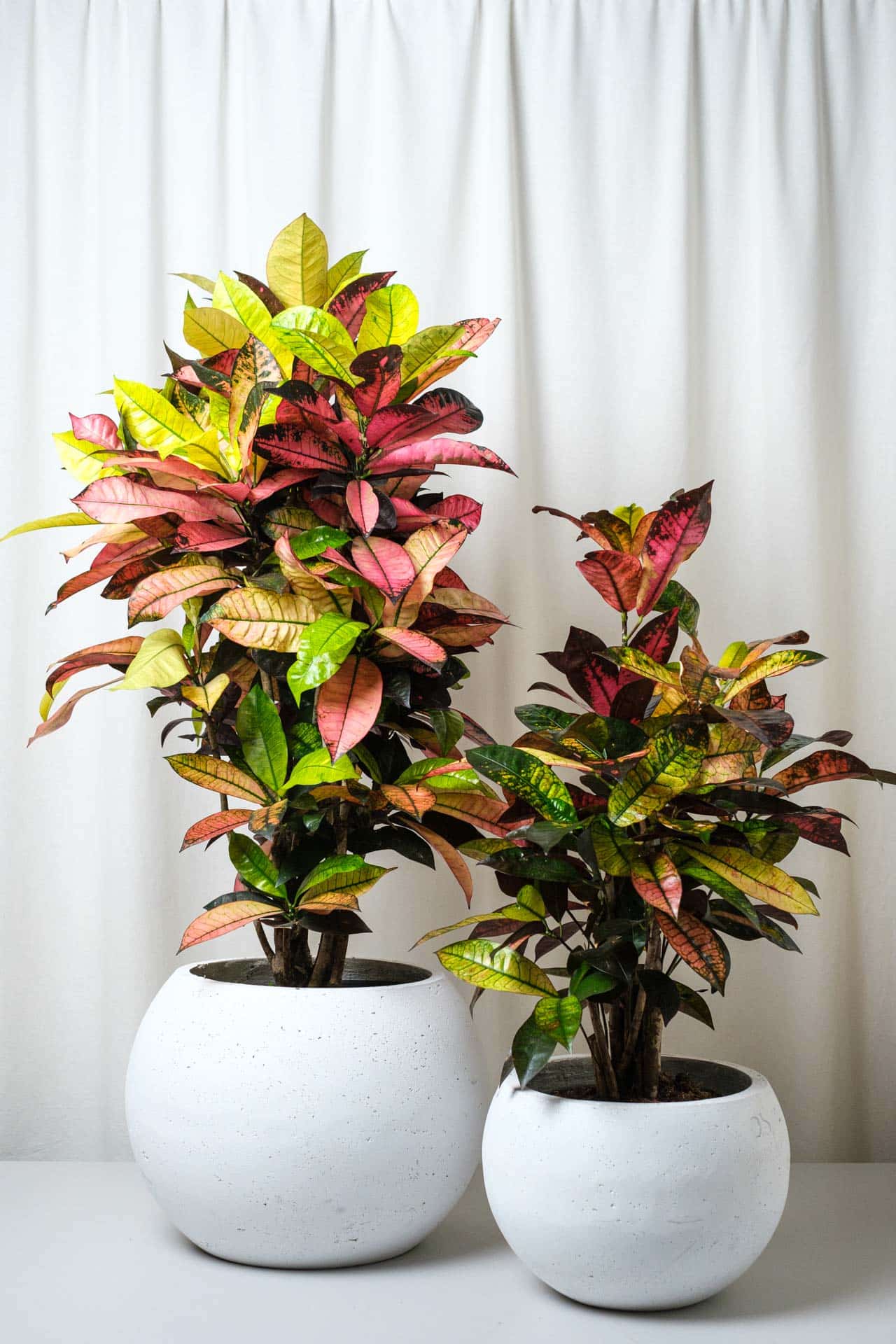
Croton Mrs Iceton is a plant that knows how to make an entrance: in shades of green, red and yellow, it looks like the cover of a gardening magazine! Native to the tropical islands of the Pacific, this beauty isn’t afraid of sunlight – in fact, it loves to shine. It’s easy to care for, but it has one little quirk: it doesn’t like to be left in water. Learn more in the Plant Library.
The plant comes in a basic nursery pot.
We are happy to suggest and help you choose a new and appropriate one.
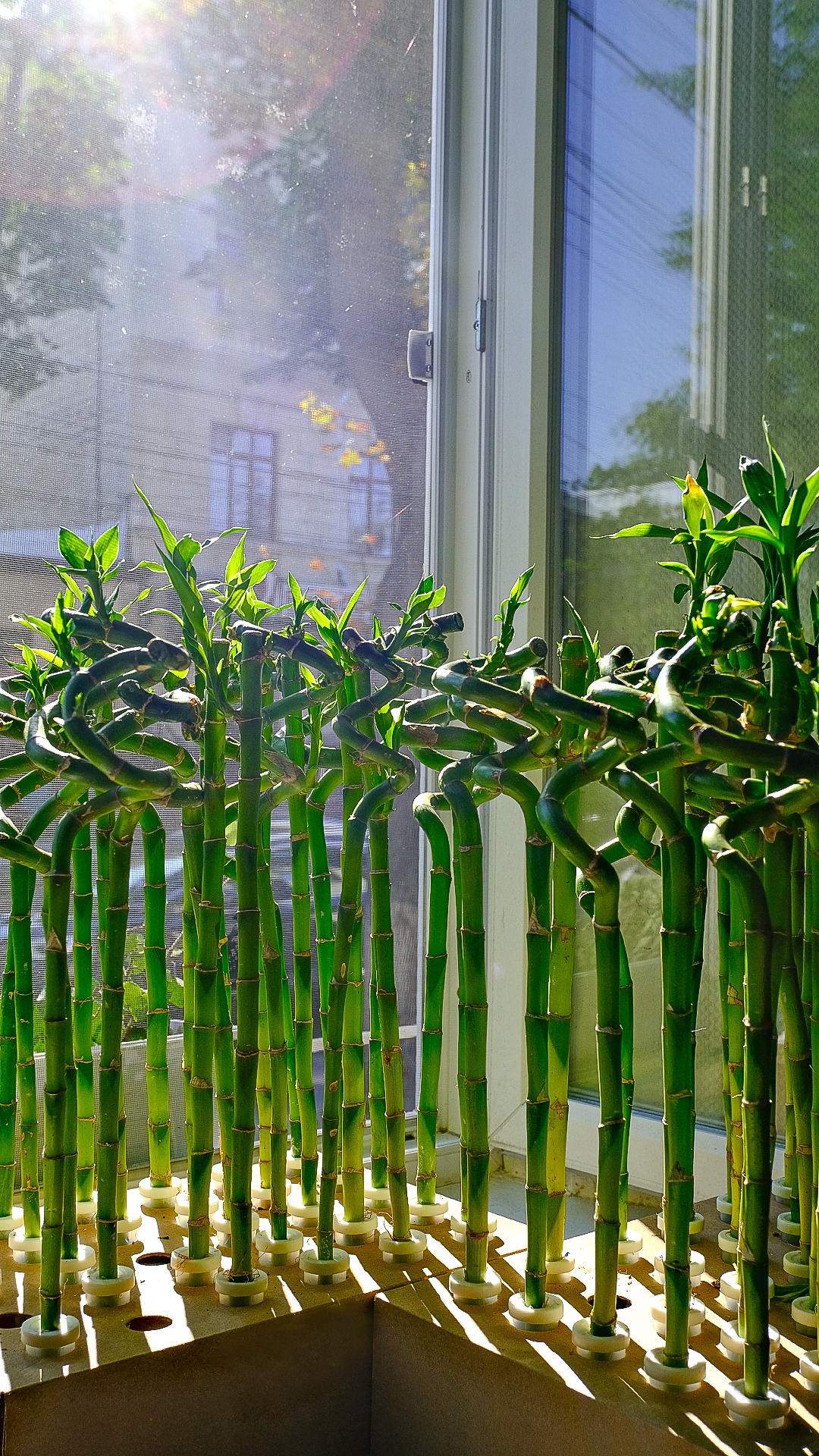
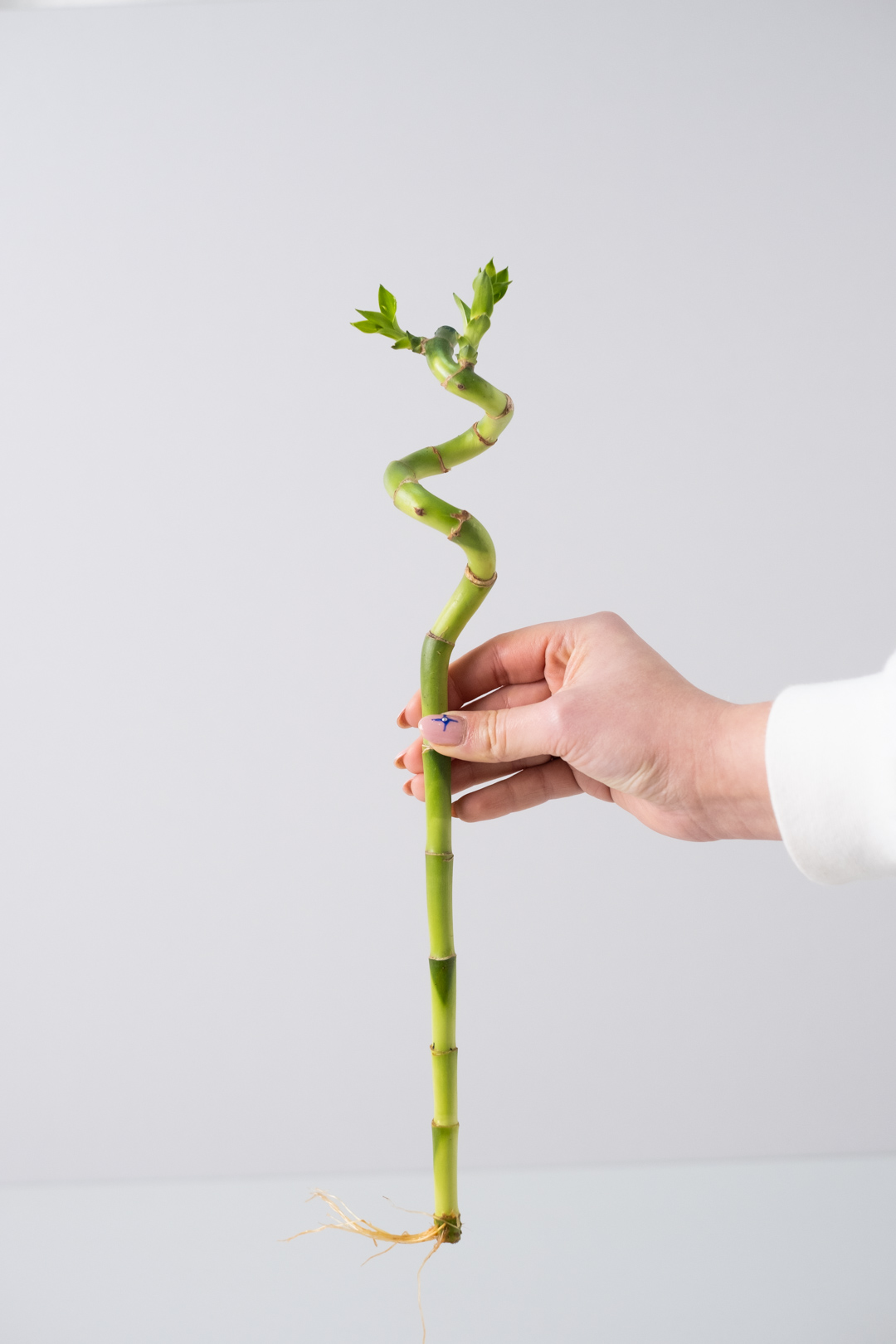
Plants often reflect the ambience of their native habitats. For a touch of Zen and Feng Shui, choose Lucky Bamboo, a plant believed to bring good fortune.
Lucky Bamboo thrives in a water-filled container, maintaining its decorative appeal over time. It’s low-maintenance: simply change the water regularly, place it in a bright spot, and there’s no need for fertilizer.
The plant does not require pots or soil. After purchase, remove the protective cover and place the plant in any container filled with water.
The plant comes in a basic nursery pot.
We are happy to suggest and help you choose a new and appropriate one. s
A terrarium with sand and succulents is like a slice of desert captured under glass—minimalist yet full of life. It’s the kind of décor that brings a touch of nature right onto your living room or office shelf, without demanding much attention. Succulent plants are like seasoned travellers—they can survive weeks without water and won’t be a bother. The perfect gift for someone who wants a bit of nature without the fuss! Discover their preferred conditions in the Plant Library.
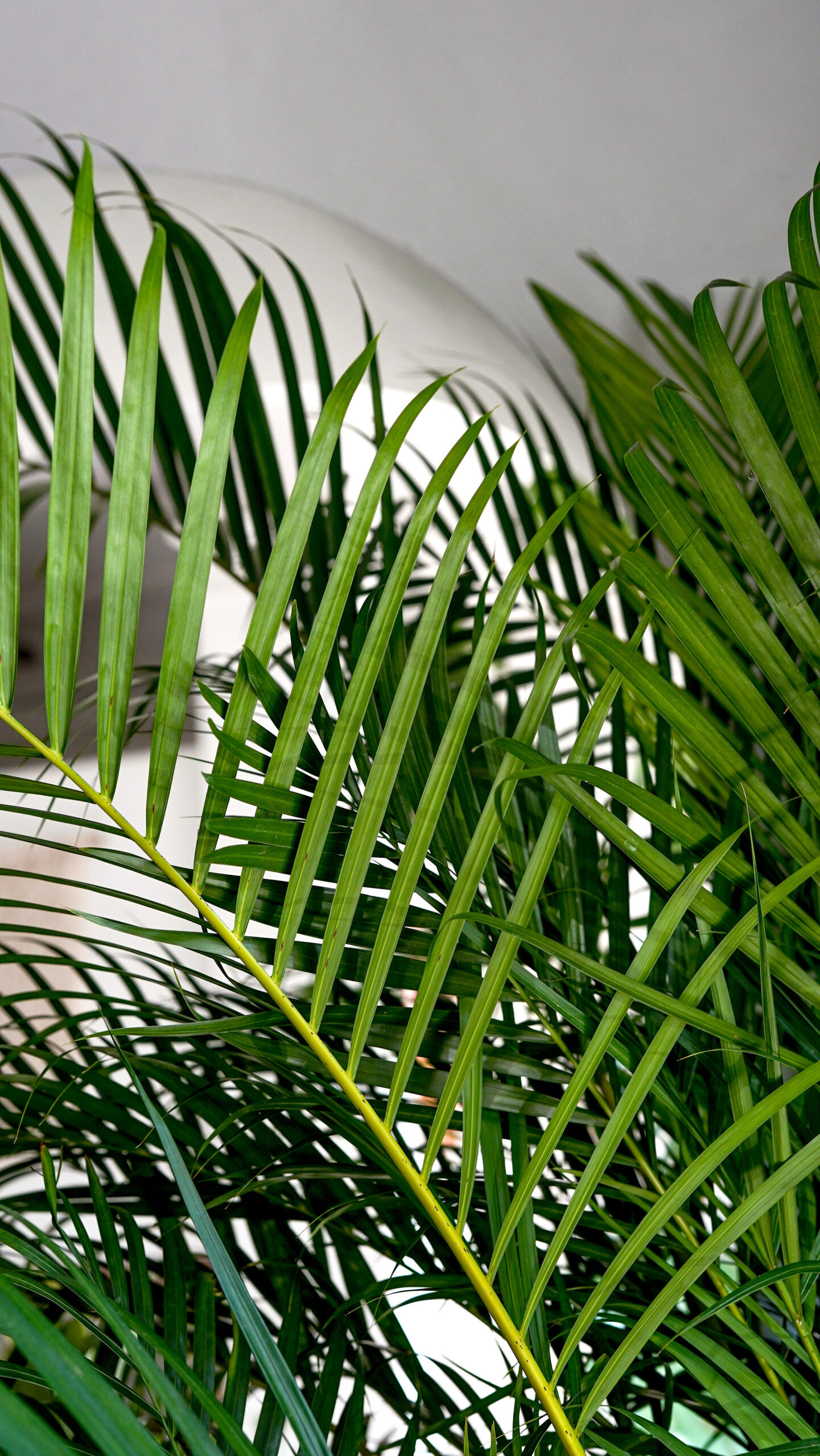
If you want to create a tropical holiday atmosphere in your home, you can’t beat the areca palm, with its elegantly arched leaves.
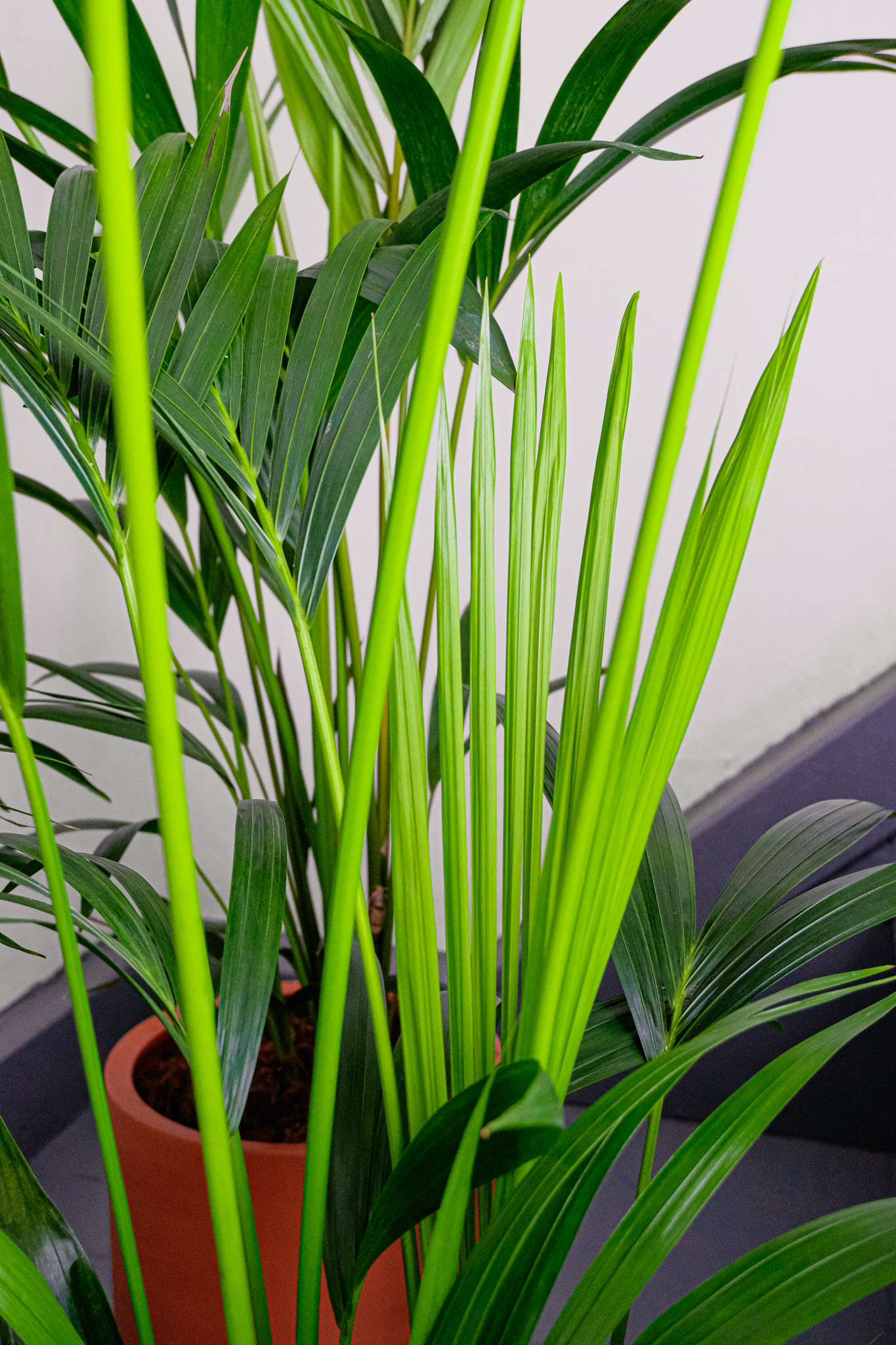
The Areca Palm, also known by its Latin name Dypsis Lutescens, is native to Madagascar. It is a fabulous houseplant, often grown for its dramatic tropical effect. It’s particularly good at making a visual impact wherever it’s placed. This makes it popular with plant lovers and interior designers.
With smooth, bamboo-like stems and full but narrow leaves, this green beauty needs plenty of room to spread out. We recommend placing it in a spacious area such as a reception, kitchen, hallway or living room. If you have plenty of light in your bedroom it would also work well there.
The plant comes in a basic nursery pot.
We are happy to suggest and help you choose a new and appropriate one.
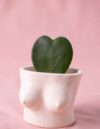
Hoya Kerrii, commonly known as the Sweetheart Hoya or Valentine Hoya, is native to Southeast Asia, particularly in Thailand and parts of China. This unique vining succulent is trendy each year around Valentine’s Day.
Not only it is adorable, but produces trailing woody vines that are delightfully easy to grow, low maintenance, and slow-growing. Give it indirect light, and moderate watering and protect it from low temperatures.
The plant comes in a basic nursery pot.
We are happy to suggest and help you choose a new and appropriate one.
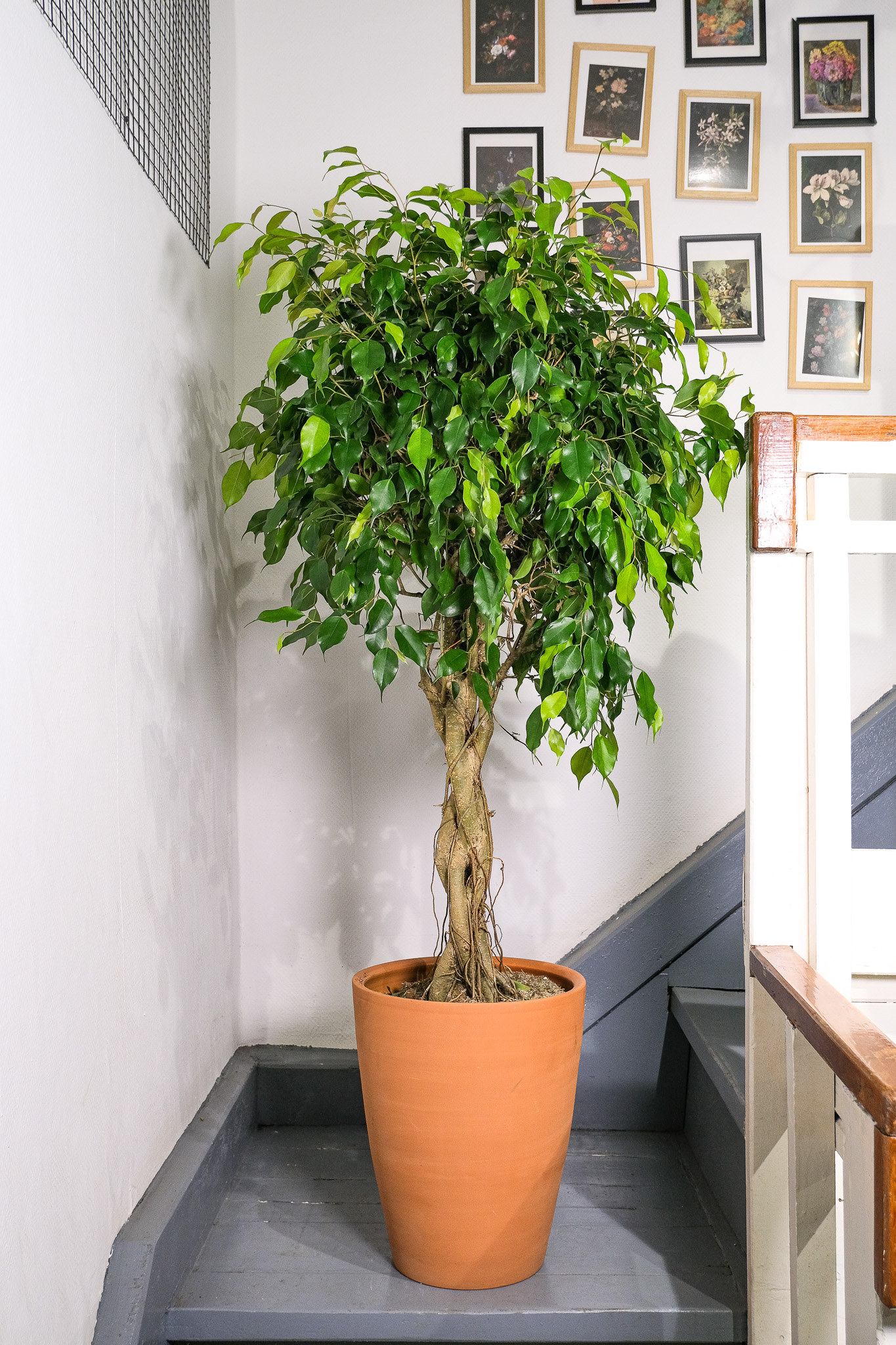
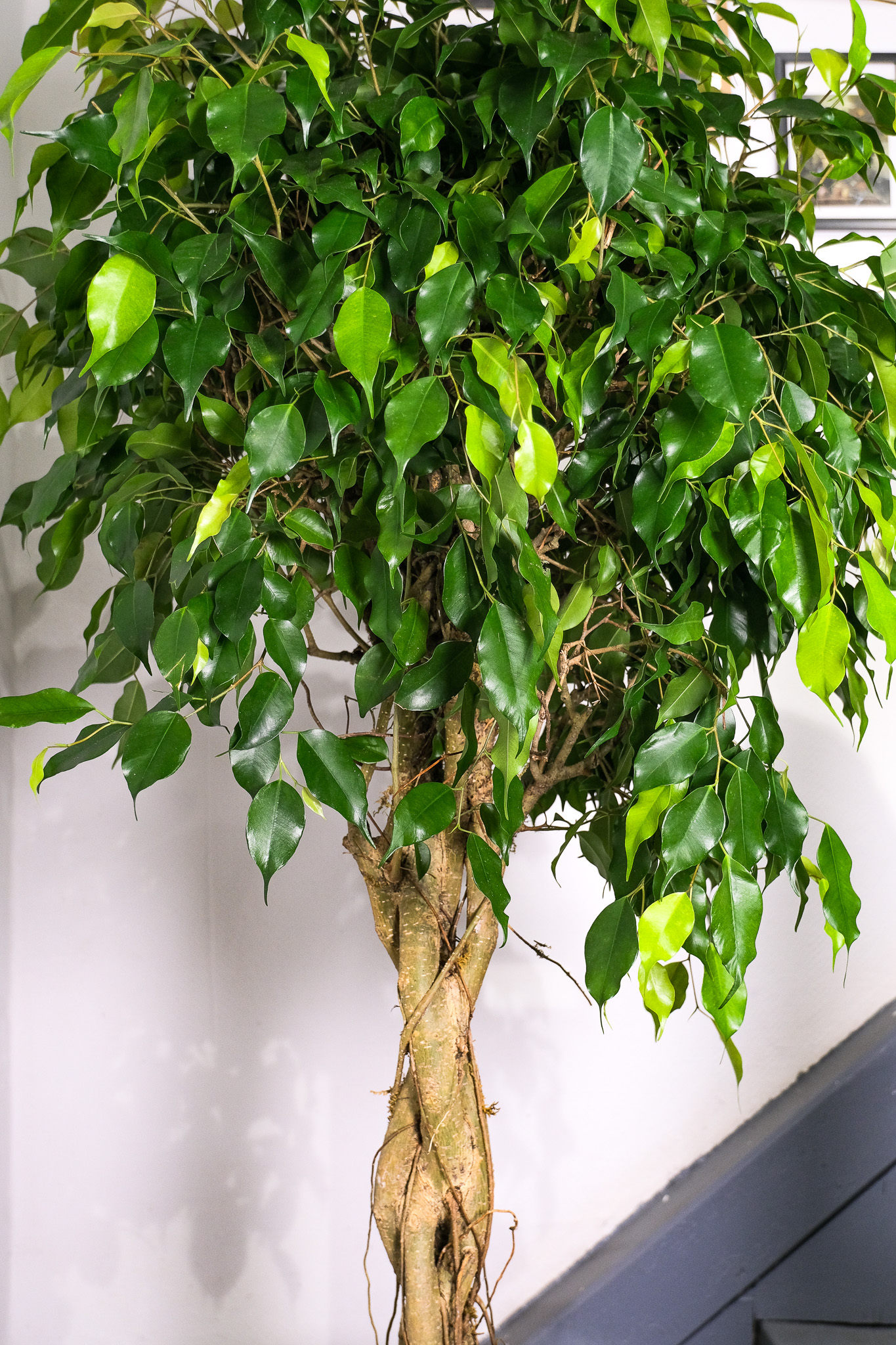
Ficus Be Exotica Twisted looks as if it’s just completed a perfect Pilates session. With its artistically twisted trunk and mirror-like green leaves, it effortlessly transforms your home into a tropical scene. It needs light and a bit of water, but you can rely on it to remain elegantly calm, like a true yogi. Visit the Plant Library for care tips.
The plant comes in a basic nursery pot.
We are happy to suggest and help you choose a new and appropriate one.
Originating from the Mediterranean countries, this myrtle tree is like a little vacation on the southern coastline. It doesn’t require a sophisticated diet but loves bright spots. Hailing from the Mediterranean and North Africa, it has been cherished as an indoor plant since ancient times. Visit the Plant Library for care tips.
The plant comes in a basic nursery pot.
We are happy to suggest and help you choose a new and appropriate one.
A collection of carefully selected plants for the fluffiest and most playful of companions. In addition to their attractive appearance, these plants are safe for children and pets, even in the event of accidental nibbling. This set contains the following small plants: Banana, Strelitzia, Calathea and Fern.
*Enjoy free transplanting and delivery with this purchase. Choose between clay or plastic pots for your set.
*You save more when you buy a plant set. Additional discounts cannot be applied.
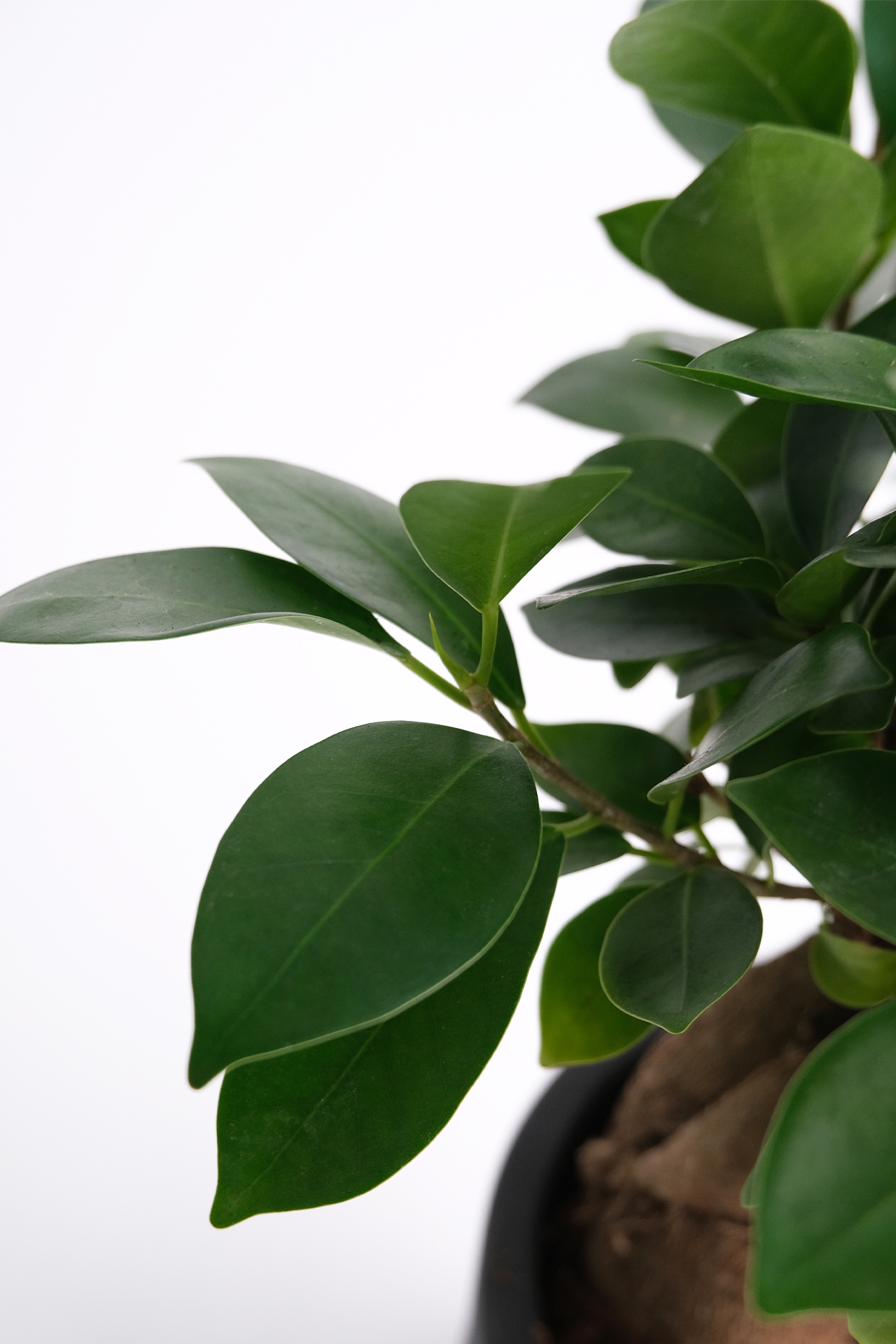
If you are looking for an entry into the ancient Japanese art of Bonsai, a great place to start is with a Ginseng Ficus. Native to Southeast Asia, it is prized for its whimsically-shaped trunk. The aerial roots of this interesting houseplant grow above the ground. The leaves are dark green, and oval shaped and grow densely, making it perfect for pruning.
To care for this guardian of balance, give it indirect light, moderate watering and regular airing to maintain its health and vitality. Your Ficus Ginseng bonsai can grow anywhere between 16-40 inches indoors and is a very forgiving houseplant, making it perfect for beginner bonsai enthusiasts.
The plant comes in a basic nursery pot.
We are happy to suggest and help you choose a new and appropriate one.
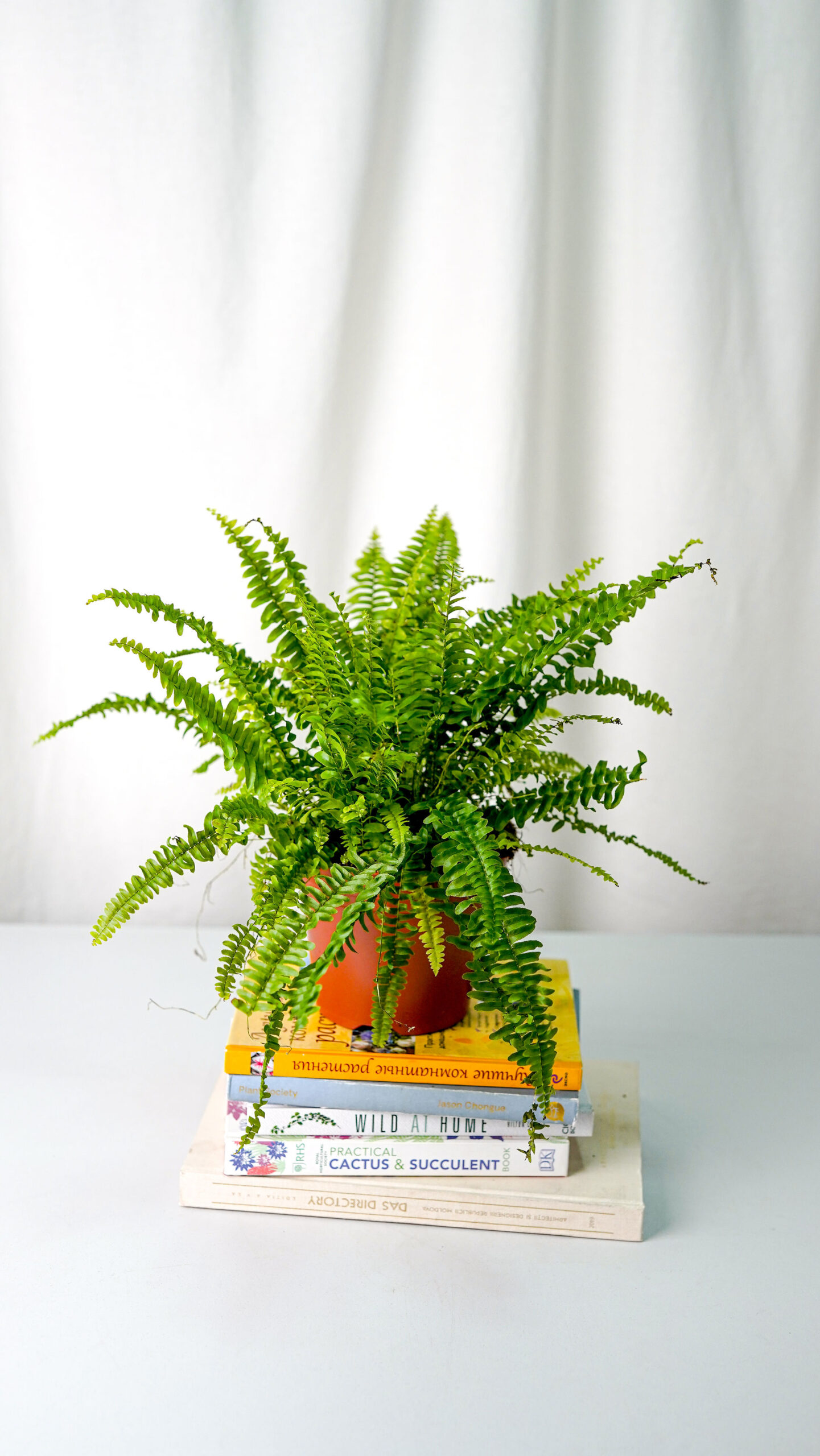
The Boston fern is one of the easiest ferns to care for, which has made it a popular houseplant for decades. It is not difficult to look after, but it does require some special care. The most important thing is to give it the ideal growing conditions: standard room temperature (13-24°C), plenty of humidity and indirect light. If the humidity is too low, the leaves will turn yellow. Another important aspect is the soil. It must be kept moist as one of the main reasons why the plant may not survive is dry soil.
A popular display is a hanging basket. Arranged in this way, the leaves of the plant will arch towards the basket, giving the appearance of floating in the air. Boston ferns are not considered toxic to pets or children. In a pot or hanging from a modern macrame hanger, the Boston Fern is a wonderful addition to the kitchen or bathroom.
The plant comes in a basic nursery pot.
We are happy to suggest and help you choose a new and appropriate one.