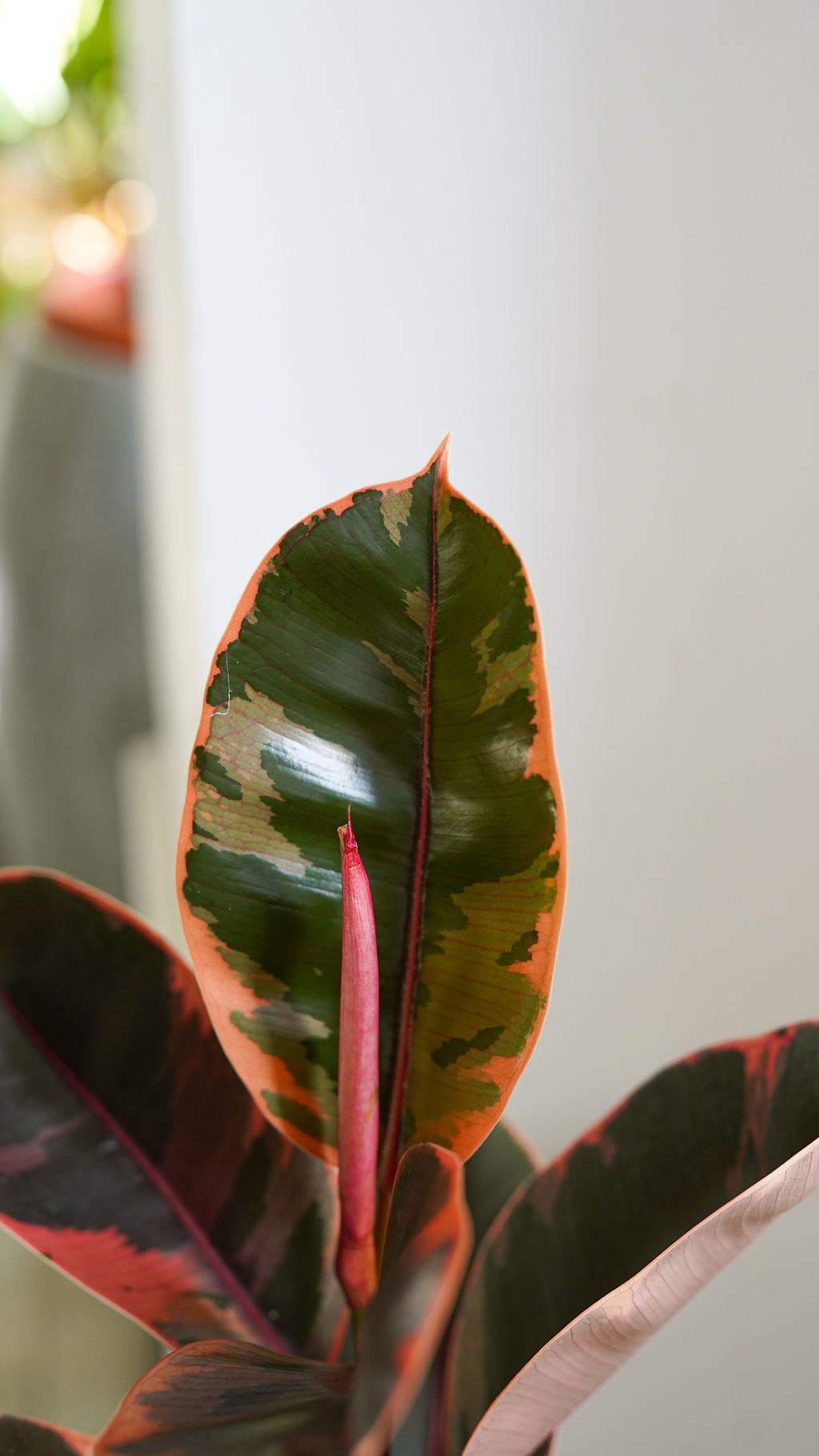
Peperomia Watermelon
500 MDL
Who can resist a houseplant that looks like it has just come from the market, with leaves that look like tiny watermelons? Peperomias are a symbol of good luck in Brazil and are often given as gifts. They’re not just fabulous to look at—they also make a striking focal point on your desk, in the kitchen, or on your bookshelf. They’re a fantastic tropical species for beginners. For tips on how to care for them, be sure to visit the Plant Library.
The plant comes in a basic nursery pot.
We are happy to suggest and help you choose a new and appropriate one.
Out of stock
Related products
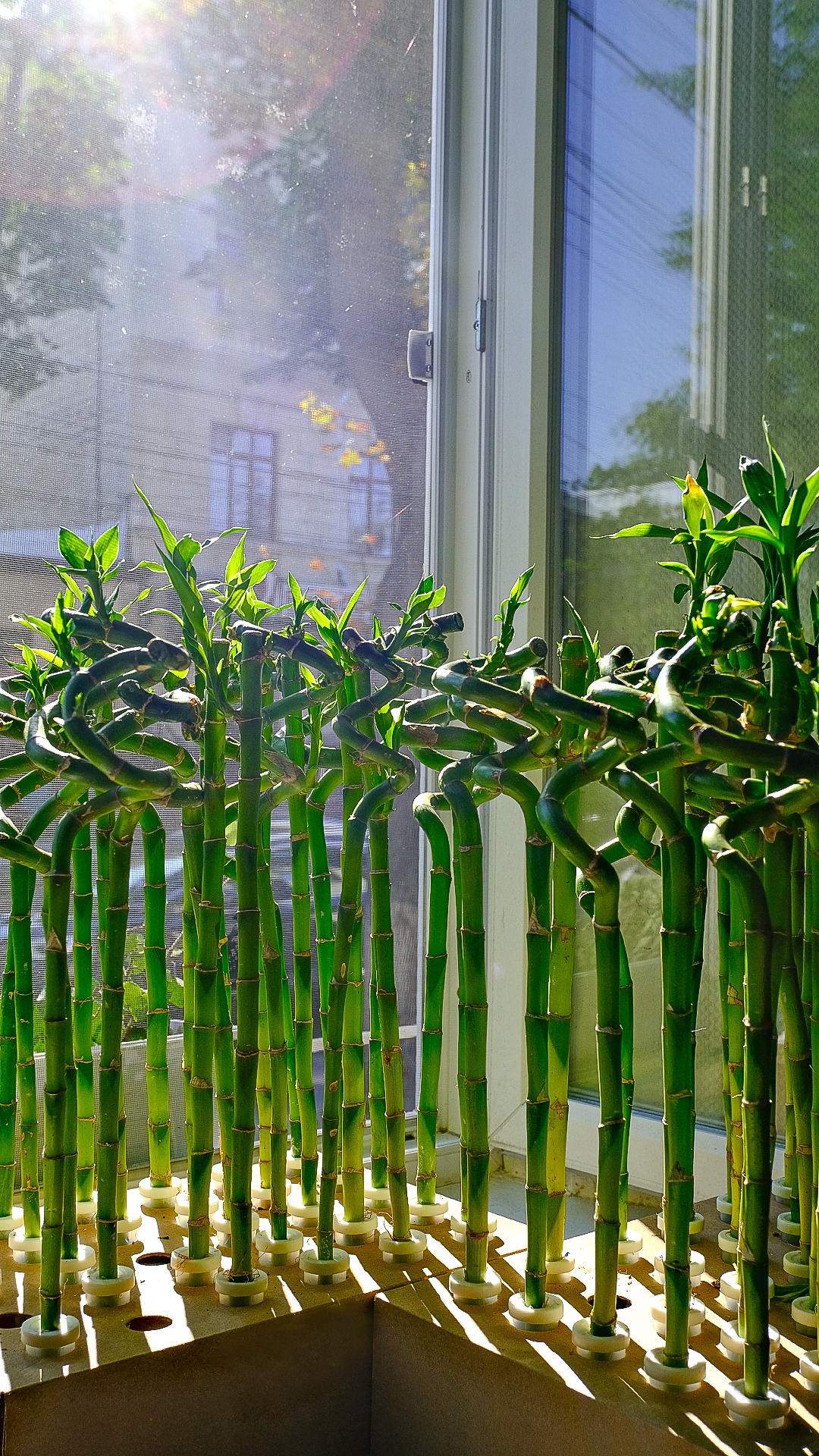
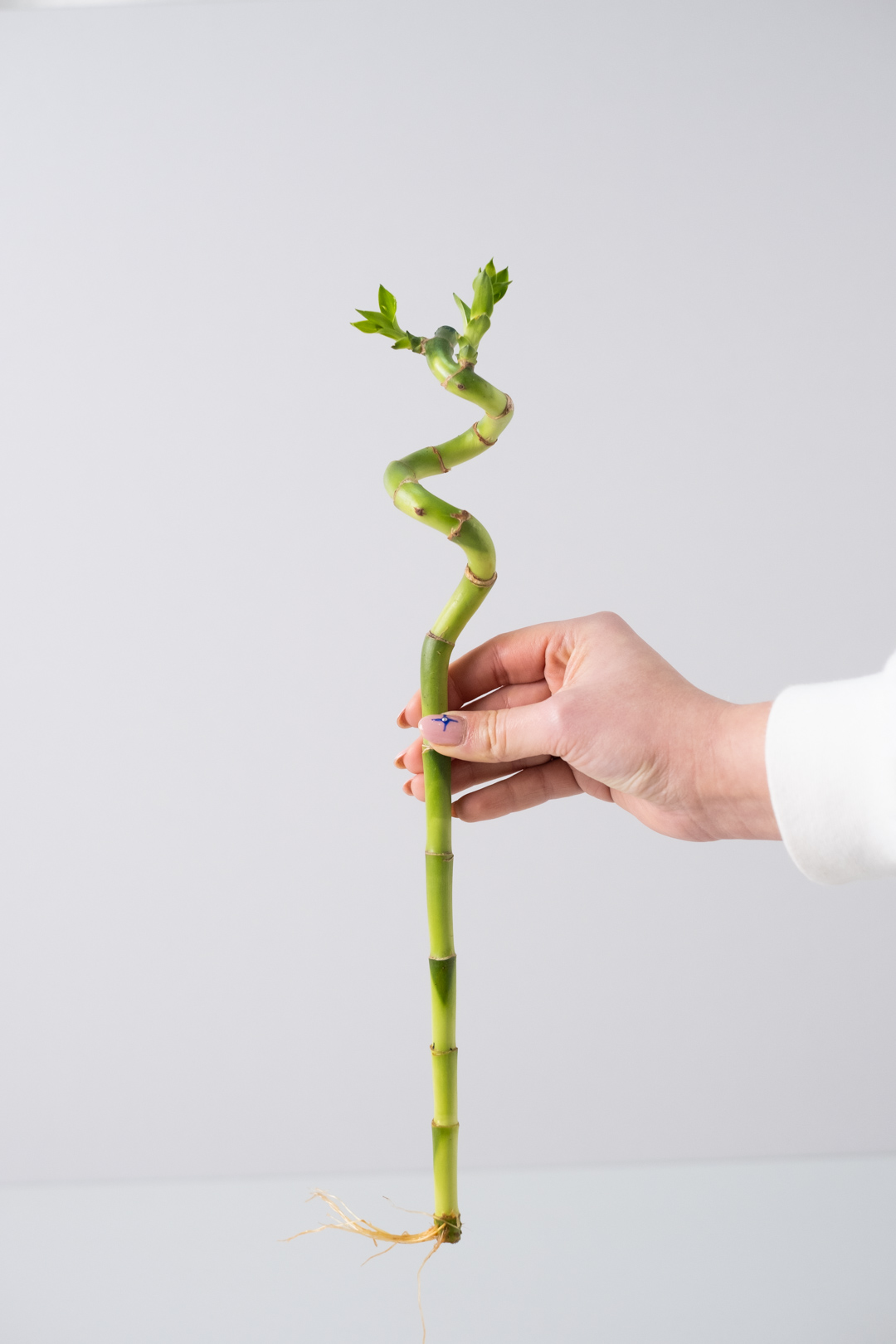
Plants often reflect the ambience of their native habitats. For a touch of Zen and Feng Shui, choose Lucky Bamboo, a plant believed to bring good fortune.
Lucky Bamboo thrives in a water-filled container, maintaining its decorative appeal over time. It’s low-maintenance: simply change the water regularly, place it in a bright spot, and there’s no need for fertilizer.
The plant does not require pots or soil. After purchase, remove the protective cover and place the plant in any container filled with water.
The plant comes in a basic nursery pot.
We are happy to suggest and help you choose a new and appropriate one.
The plant comes in a basic nursery pot.
We are happy to suggest and help you choose a new and appropriate one.
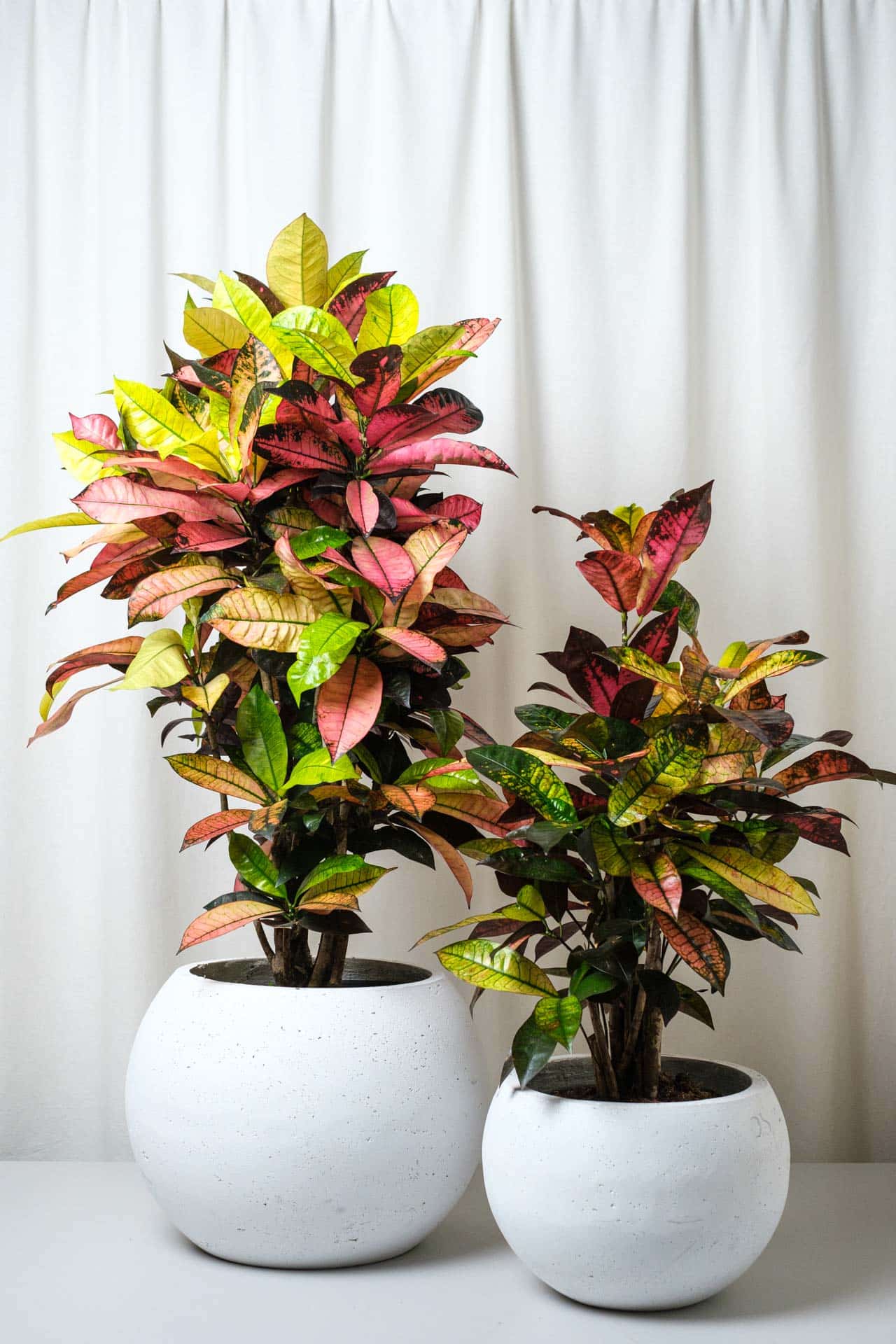
Croton Mrs Iceton is a plant that knows how to make an entrance: in shades of green, red and yellow, it looks like the cover of a gardening magazine! Native to the tropical islands of the Pacific, this beauty isn’t afraid of sunlight – in fact, it loves to shine. It’s easy to care for, but it has one little quirk: it doesn’t like to be left in water. Learn more in the Plant Library.
The plant comes in a basic nursery pot.
We are happy to suggest and help you choose a new and appropriate one.
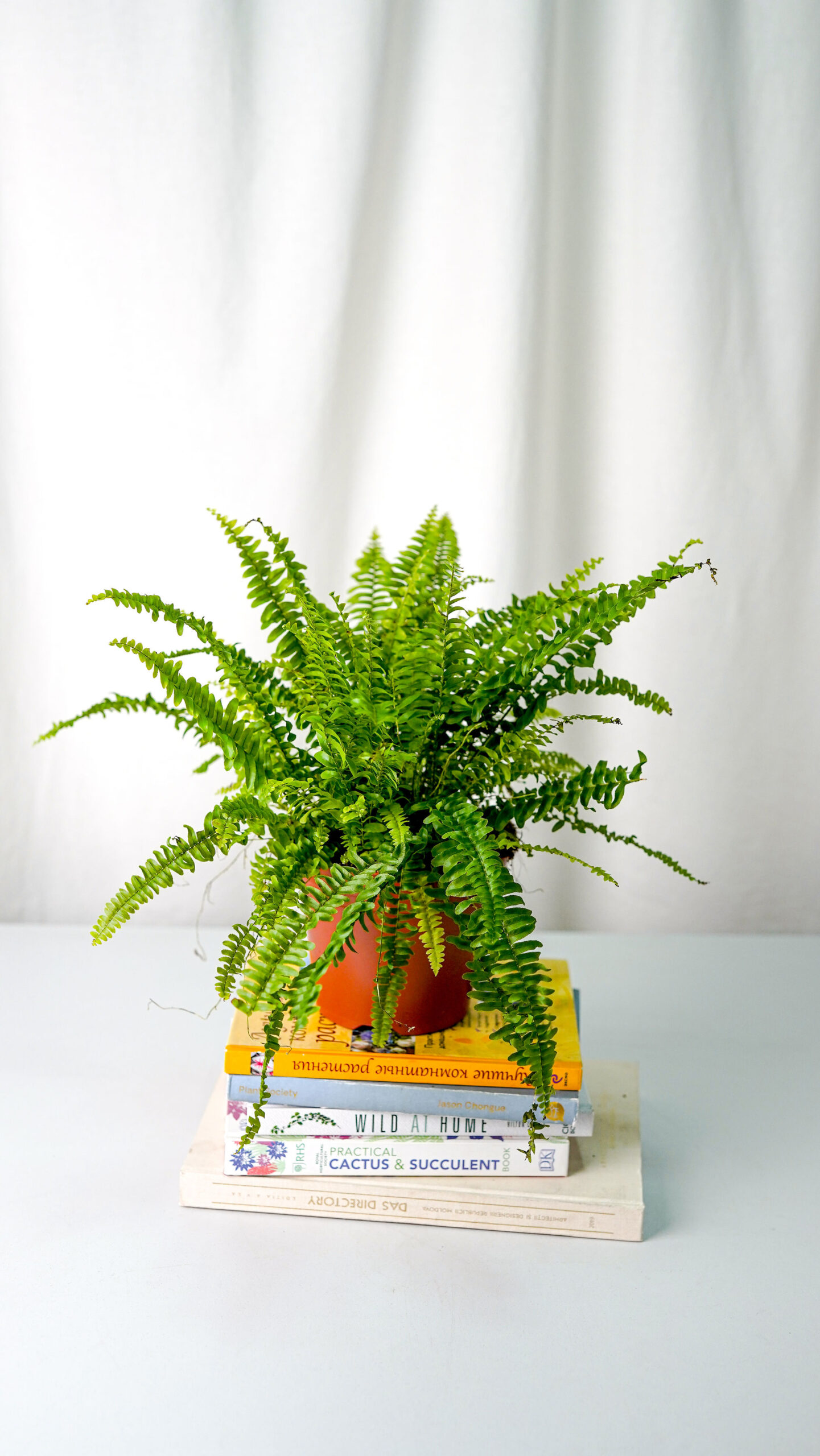
The Boston fern is one of the easiest ferns to care for, which has made it a popular houseplant for decades. It is not difficult to look after, but it does require some special care. The most important thing is to give it the ideal growing conditions: standard room temperature (13-24°C), plenty of humidity and indirect light. If the humidity is too low, the leaves will turn yellow. Another important aspect is the soil. It must be kept moist as one of the main reasons why the plant may not survive is dry soil.
A popular display is a hanging basket. Arranged in this way, the leaves of the plant will arch towards the basket, giving the appearance of floating in the air. Boston ferns are not considered toxic to pets or children. In a pot or hanging from a modern macrame hanger, the Boston Fern is a wonderful addition to the kitchen or bathroom.
The plant comes in a basic nursery pot.
We are happy to suggest and help you choose a new and appropriate one.
Bay laurel, also known as Laurus Nobilis, is the kind of plant that makes your life easier—and more aromatic. Just place it in a sunny corner or partial shade, and it will reward you with healthy, green leaves. Plus, it doesn’t care much about pests or diseases—like a medieval knight in armor. Just make sure to protect it from the cold, and it will repay you in every dish you cook with it!
Find out what conditions it prefers in Plant Library.
The plant is offered in a simple factory pot.
We recommend and with a great pleasure will help you to choose a new and suitable one.
Hoya Kerrii, commonly known as the Sweetheart Hoya or Valentine Hoya, is native to Southeast Asia, particularly in Thailand and parts of China. This unique vining succulent is trendy each year around Valentine’s Day.
Not only it is adorable, but produces trailing woody vines that are delightfully easy to grow, low maintenance, and slow-growing. Give it indirect light, and moderate watering and protect it from low temperatures.
The plant comes in a basic nursery pot.
We are happy to suggest and help you choose a new and appropriate one.
We have to admit it: bushy or prickly, with round or lobed leaves, succulents are incredibly popular. In some homes, you can find impressive collections or creative arrangements. The range of colours and textures is a feast for the eyes.
Succulents are a real blessing when we travel a lot, are too busy or simply forget to water them. This is very important! The leaves, stems and roots of succulents are thick and fleshy, which allows them to store water and withstand harsher conditions with such stoicism. In short, loyal plants!
In warm weather, water more generously if you notice that the soil in the pot has dried out. In late autumn or winter, water less frequently, once a month. Overwatering and waterlogged soil are the most common causes of loss.
Fun fact: the only continent without native succulents is Antarctica.
The plant comes in a basic nursery pot.
We are happy to suggest and help you choose a new and appropriate one.
Calla, also known as the Ethiopian Lily, is an exotic-looking plant with elegant horn-shaped flowers. This plant prefers indirect light and moderate temperatures, and to keep it healthy, make sure the soil stays slightly moist, but avoid stagnant water in the pot.
The plant is offered in a simple factory pot.
We recommend and with a great pleasure will help you to choose a new and suitable one.
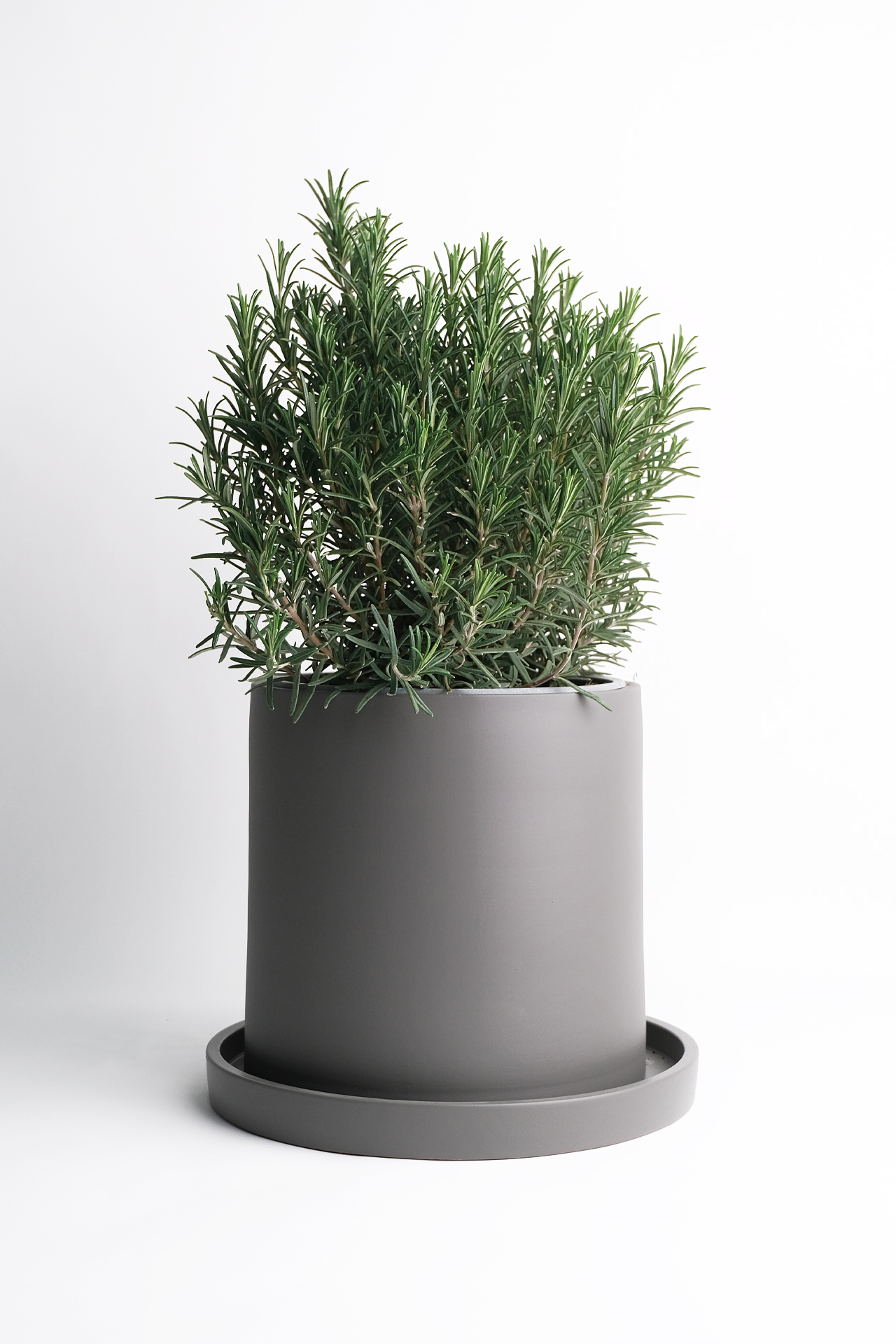
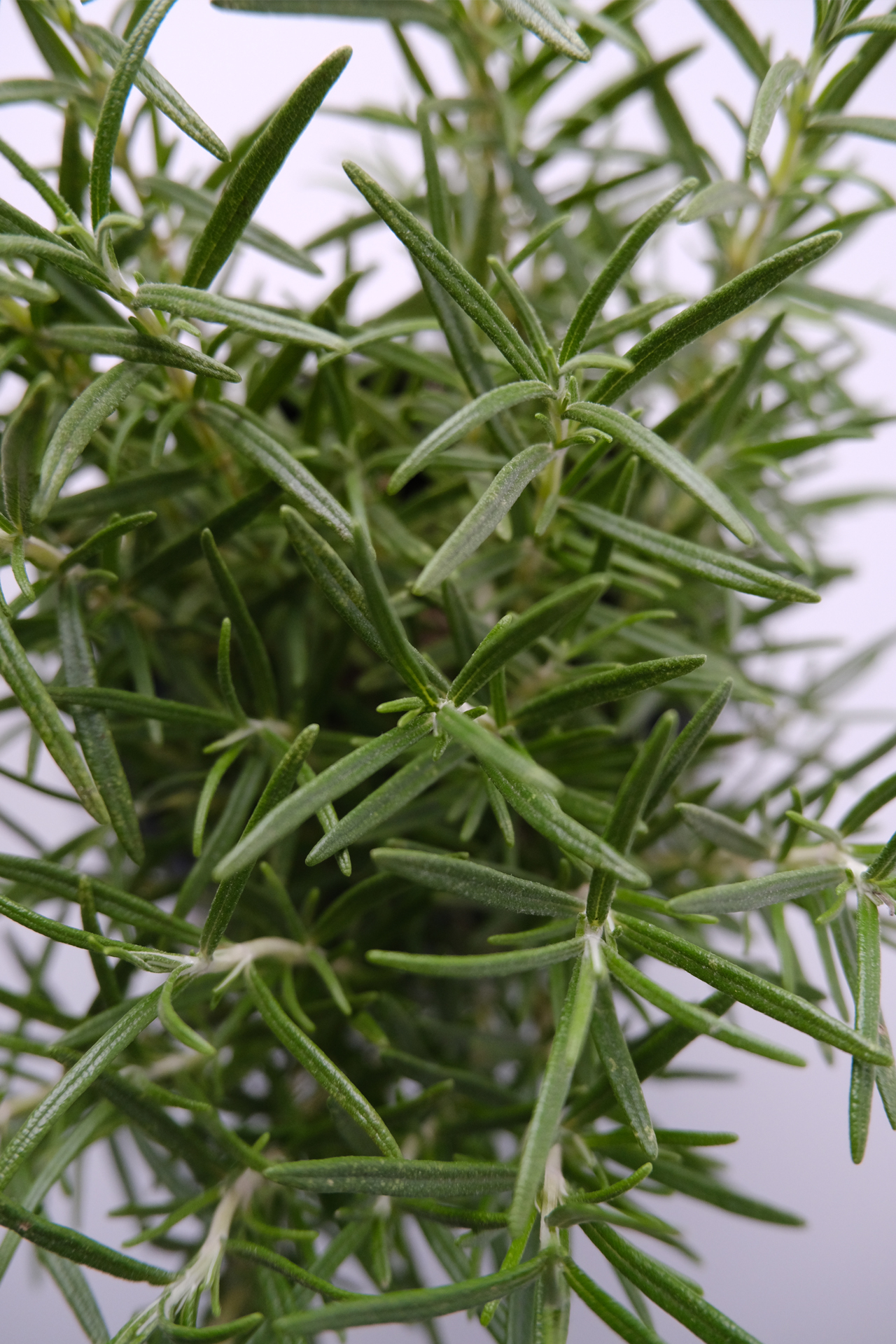
Originating from the Mediterranean countries, this myrtle tree is like a little vacation on the southern coastline. It doesn’t require a sophisticated diet but loves bright spots. Hailing from the Mediterranean and North Africa, it has been cherished as an indoor plant since ancient times. Visit the Plant Library for care tips.
The plant comes in a basic nursery pot.
We are happy to suggest and help you choose a new and appropriate one.
Cycas palms, native to Japan and southern China, are true living fossils, having existed since before the dinosaurs. Their curved, rigid fronds seem as if they’ve been plucked from a scene in Jurassic Park. Although they resemble palm trees, they are actually cycads—a fascinating prehistoric species. They grow extremely slowly, adding only a few centimetres per year. It’s a plant that knows how to live grandly yet with minimal fuss. Learn how to care for it in the Plant Library.
The plant comes in a basic nursery pot.
We are happy to suggest and help you choose a new and appropriate one.