Howea Forsteriana
from 950 MDL
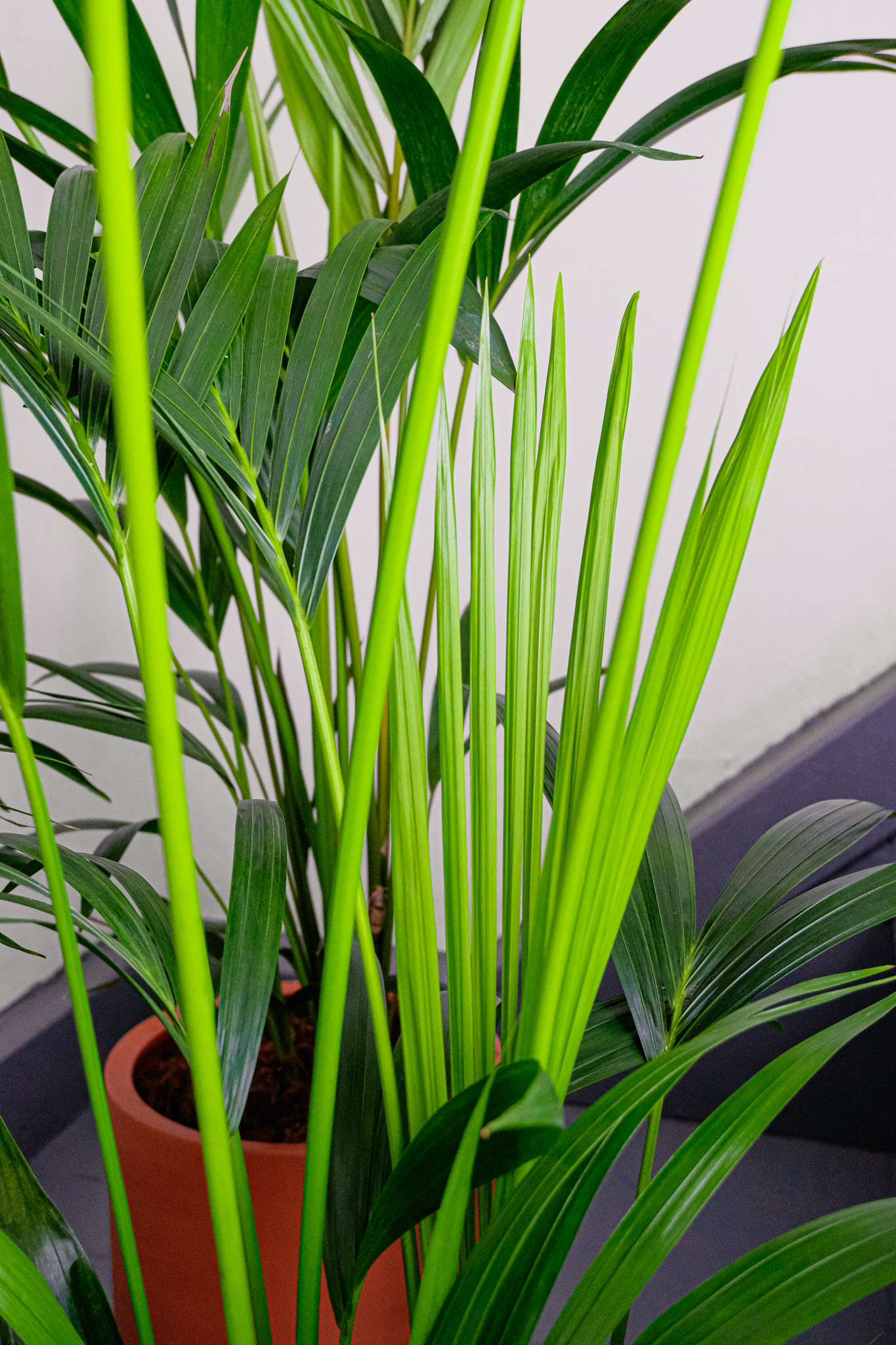
Howea Forsteriana is a popular indoor palm that doesn’t require complex care and can grow to a very large size. However, its growth can be easily managed. During the Victorian era, it was used to decorate the homes of wealthy people, which is why it became a symbol of prosperity. Learn what conditions it prefers in the Plant Library.
The plant is offered in a simple factory pot.
We recommend and with a great pleasure will help you to choose a new and suitable one.
Related products
relitzia Reginae, often called the Bird of Paradise, thrives in the wilds of South Africa and truly lives up to its majestic name. Position it in your living room or hallway, and you’ll instantly infuse your space with a touch of the jungle, harmoniously blending with urban elegance. Pollinated by birds, it features robust stems strong enough to support the weight of several birds at once. Discover its preferred conditions in the Plant Library.
Only the mature plant is in flower at the moment.
The plant comes in a basic nursery pot.
We are happy to suggest and help you choose a new and appropriate one.
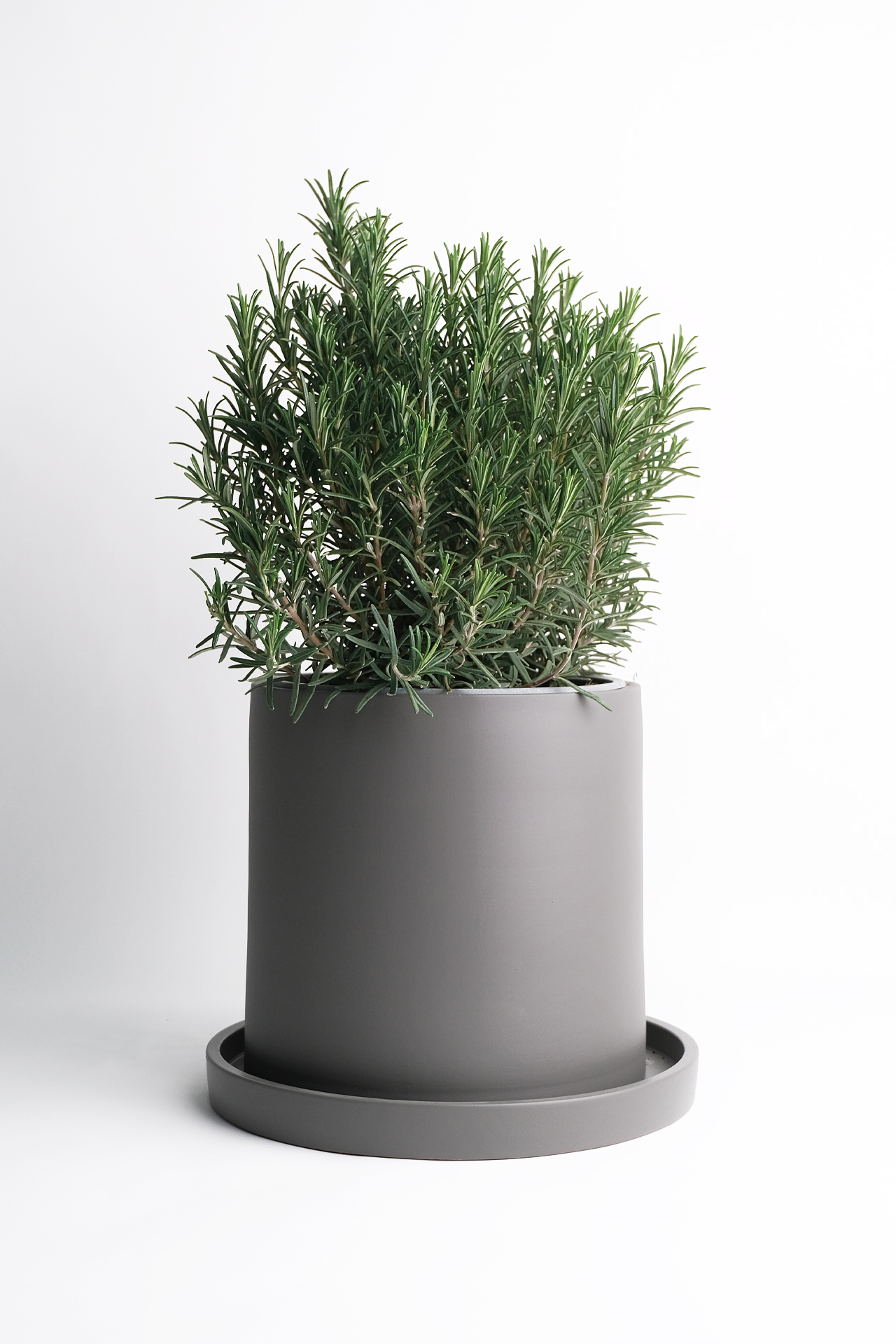
Bay laurel, also known as Laurus Nobilis, is the kind of plant that makes your life easier—and more aromatic. Just place it in a sunny corner or partial shade, and it will reward you with healthy, green leaves. Plus, it doesn’t care much about pests or diseases—like a medieval knight in armor. Just make sure to protect it from the cold, and it will repay you in every dish you cook with it!
Find out what conditions it prefers in Plant Library.
The plant is offered in a simple factory pot.
We recommend and with a great pleasure will help you to choose a new and suitable one.
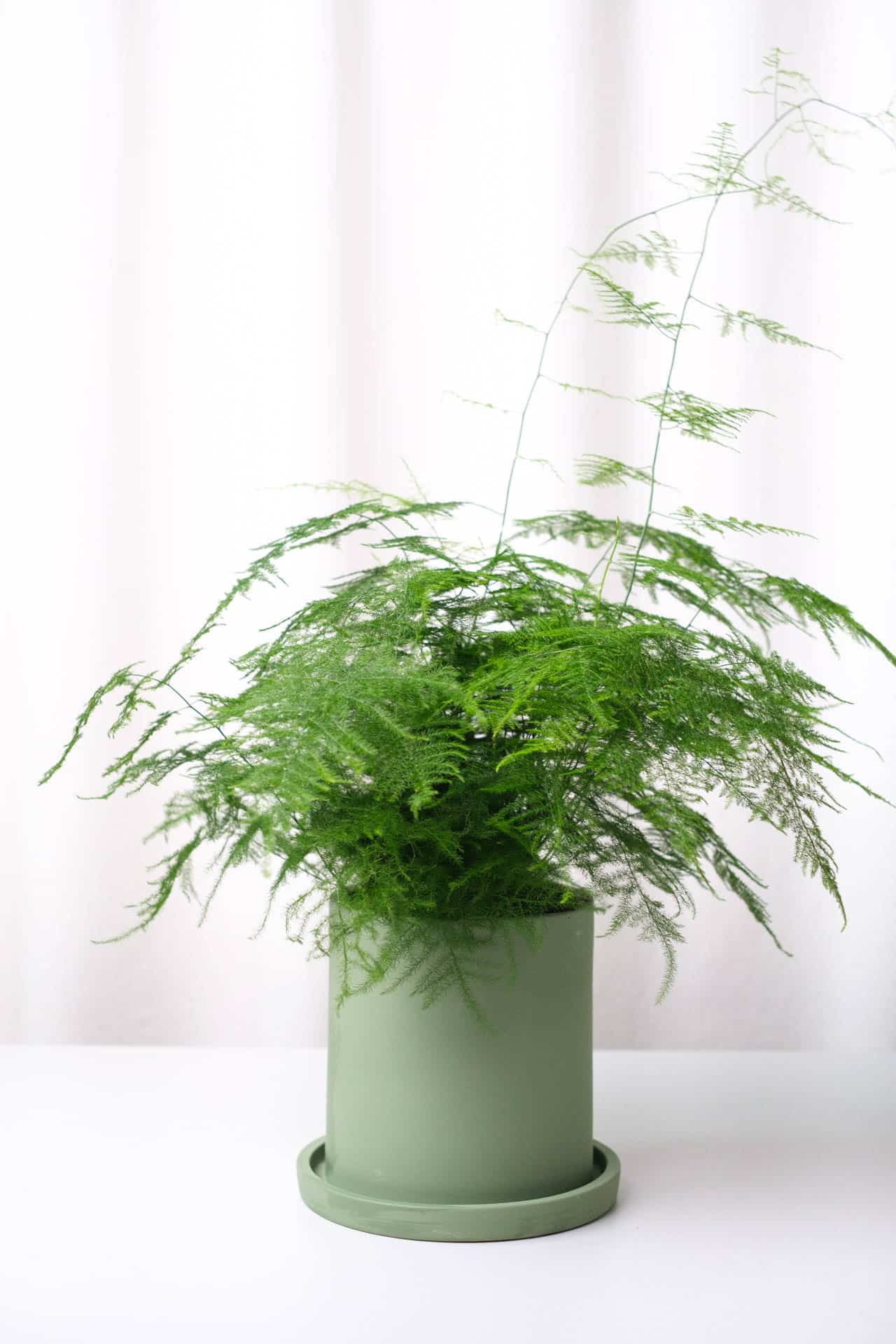
Asparagus plumosa or asparagus fern is neither fern nor asparagus, although it looks similar and is closely related to the common edible garden asparagus. Its presence in the house brings a “forest” vibe and it really likes hanging in baskets on the terrace or balcony during the summer.
Indoors, the key to a robust asparagus fern is to keep the plant well-watered, bushy and dense so that the lace-like foliage forms an attractive mound.
The plant comes in a basic nursery pot.
We are happy to suggest and help you choose a new and appropriate one.
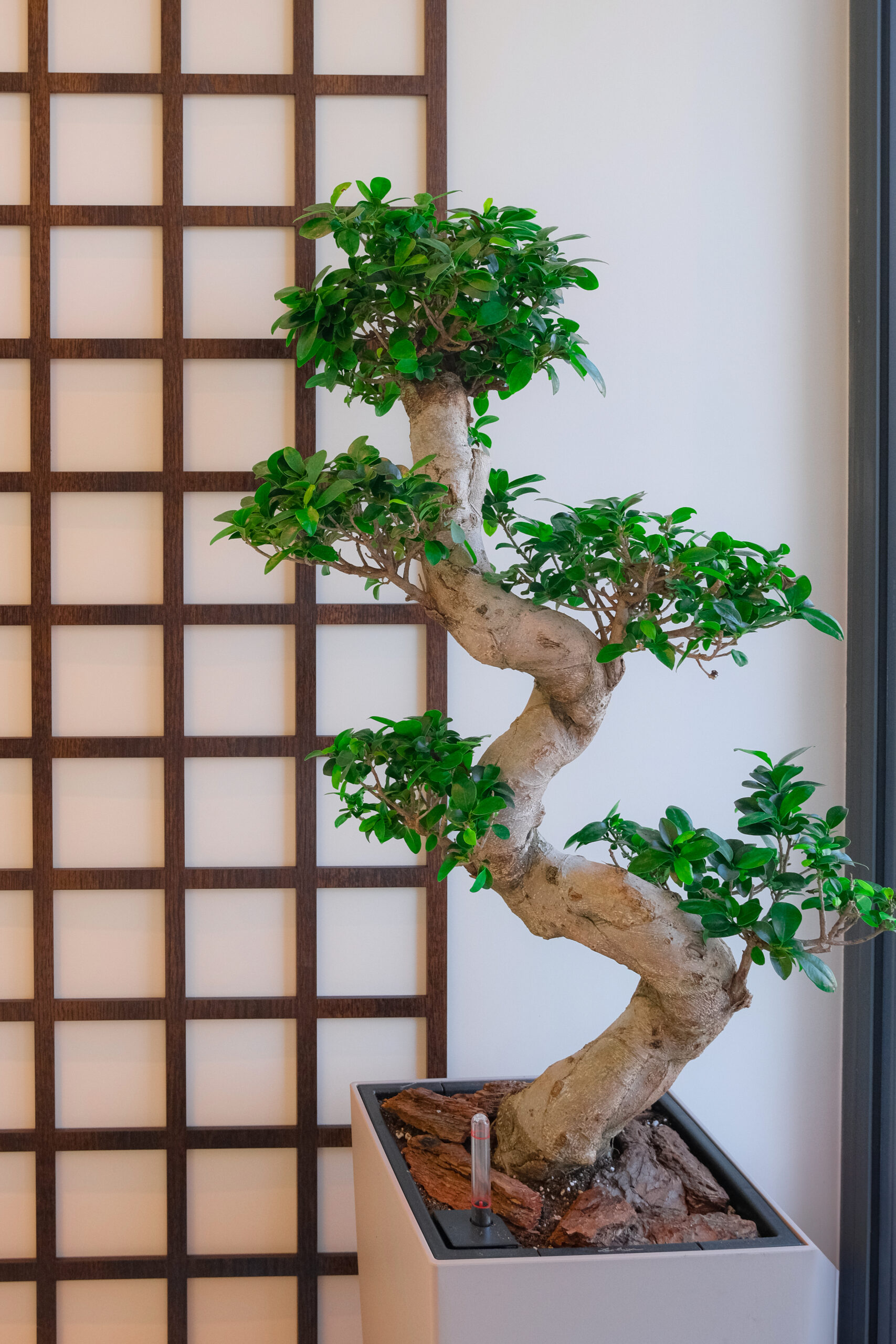
Bonsai trees are a fascinating art form that combines Asian aesthetics and feng shui in the homes of those who choose to care for them.
Translated, ‘bonsai’ means ‘planted in a bowl’. Bonsai is a true philosophy of life, a hobby that brings peace of mind and helps us to cope with everyday stress. Caring for a single tree in a pot is a kind of small-scale gardening.
Pruning is also important to keep bonsai trees small and in perfect shape. Maintenance pruning strengthens the bonsai and encourages new branch growth.
The plant comes in a basic nursery pot.
We are happy to suggest and help you choose a new and appropriate one.
The plant comes in a basic nursery pot.
We are happy to suggest and help you choose a new and appropriate one. s
The Schefflera plant, Schefflera Arboricola, native to South Asia and parts of Australia, is often called the umbrella plant, and for good reason. The five to seven leaflets that make up each long-stalked leaf resemble umbrellas.
The foliage will keep its healthy, glossy appearance if you spray it daily with water at room temperature. Being a medium light lover, placing it in strong direct sunlight will burn its leaves. It will also not do well in areas of extreme light deficiency and is best placed near a window – even a north-facing one. Yellowing and drooping leaves are probably a sign that the plant is overheating. Leave the soil to dry out longer between waterings. Brown, dry leaves – may be caused by underwatering.
To control the height of the plant and increase its bushy appearance, cut back any overhanging branches in spring. Don’t cut more than 30% of the plant as this can cause shock. It is considered poisonous to humans and pets. The sap in the leaves can cause mild skin irritation.
The plant comes in a basic nursery pot.
We are happy to suggest and help you choose a new and appropriate one.
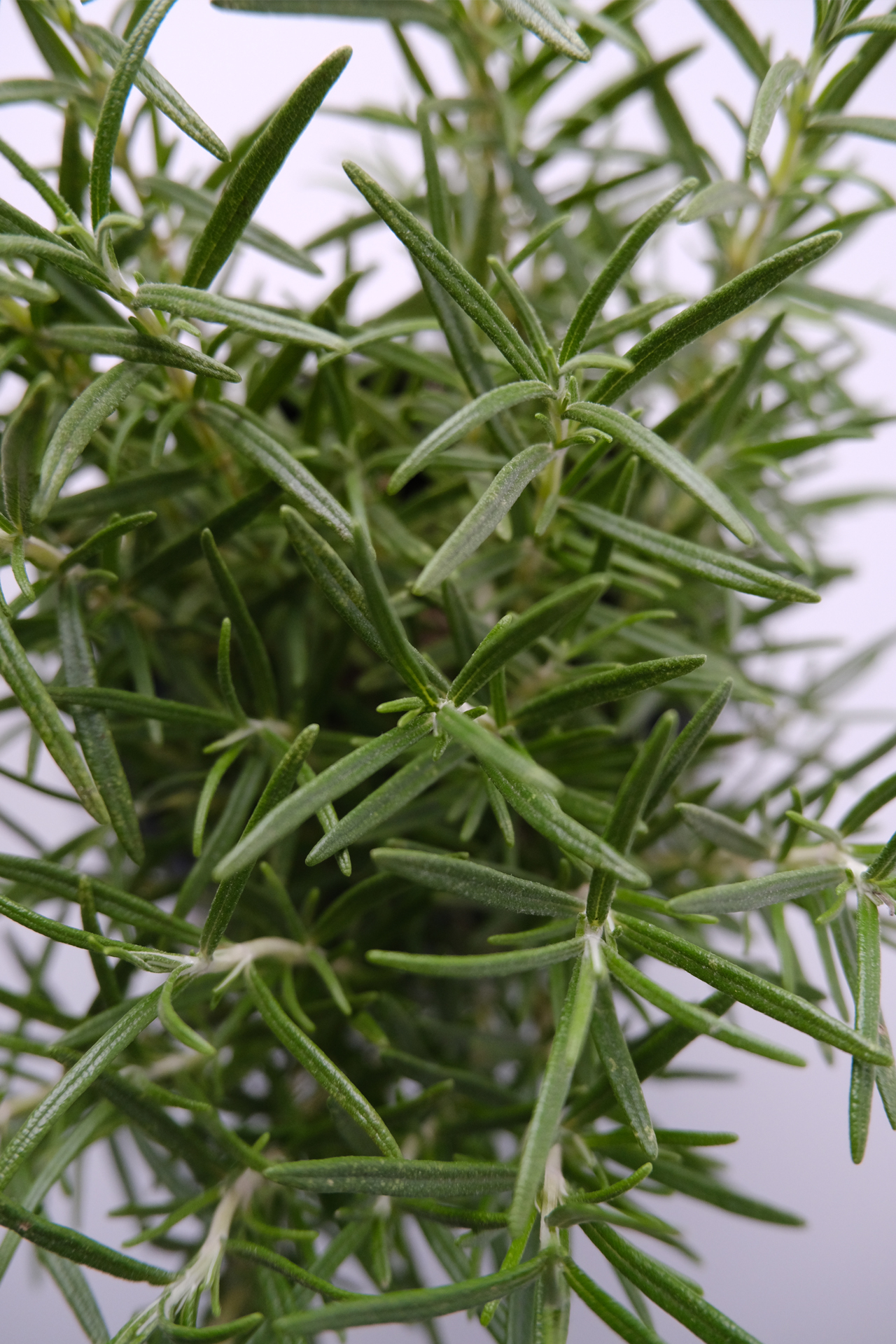
English ivy (Hedera helix variegata) is one of the most common ivy species and the most widely grown. It is very easy to grow, both in pots and as an ornamental outdoor plant. You’ve probably noticed it on the outside of buildings and houses that look like entrances to a secret botanical world.
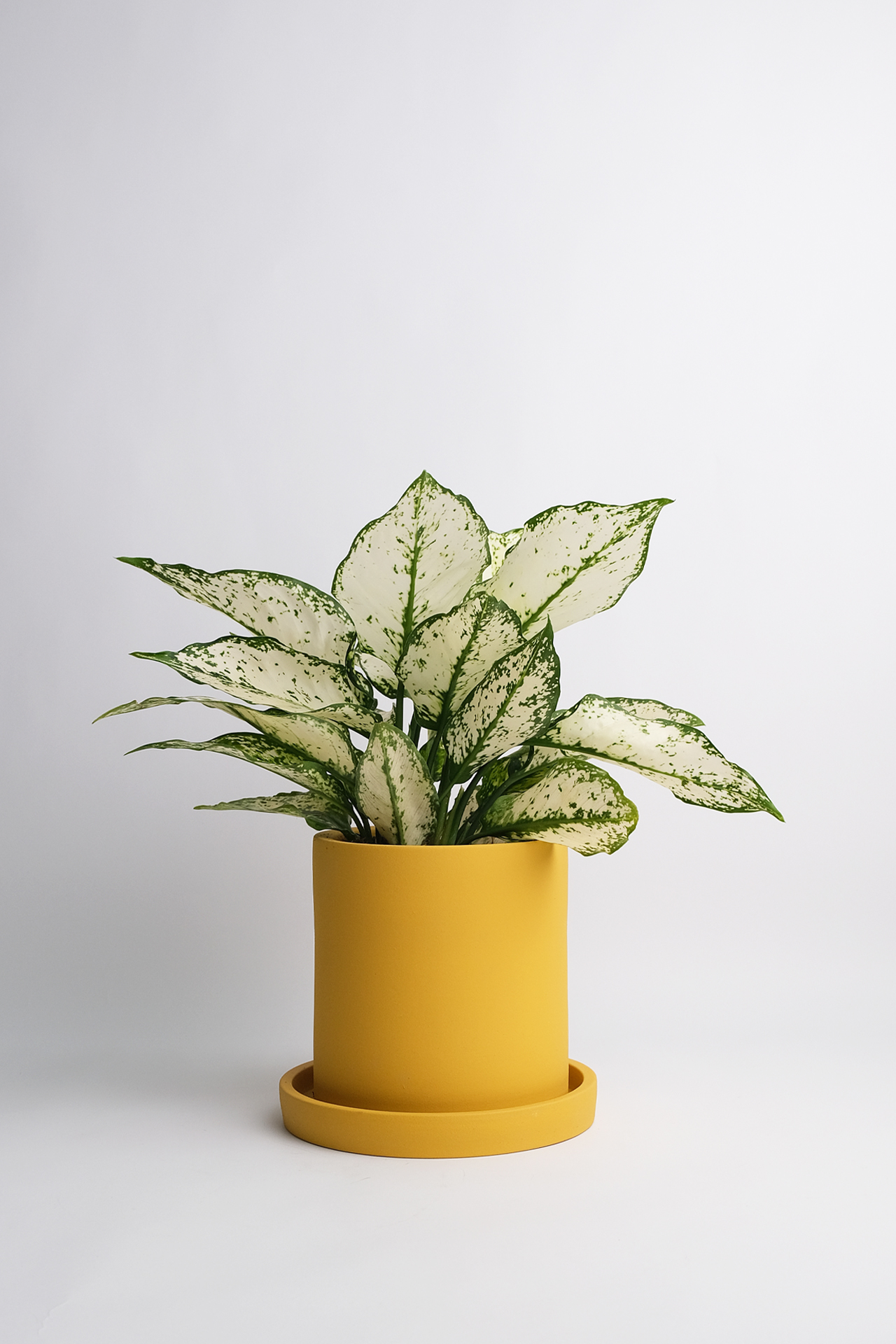
Potted ivy requires much less water. Before watering, check the consistency of the substrate, which should be loose but dry on the surface. Be careful not to overwater. For optimal lighting, position the plant near a window to ensure it receives abundant light without direct exposure. Poor lighting can reduce the number of leaves and cause them to discolour.
Indoors, it can be placed on a shelf or taller plant stand to allow it to create that eye-catching cascade of creamy white variegated green leaves. It tends to grow vigorously, providing quick results for those who want to transform their room or garden in a short space of time.
The plant comes in a basic nursery pot.
We are happy to suggest and help you choose a new and appropriate one.
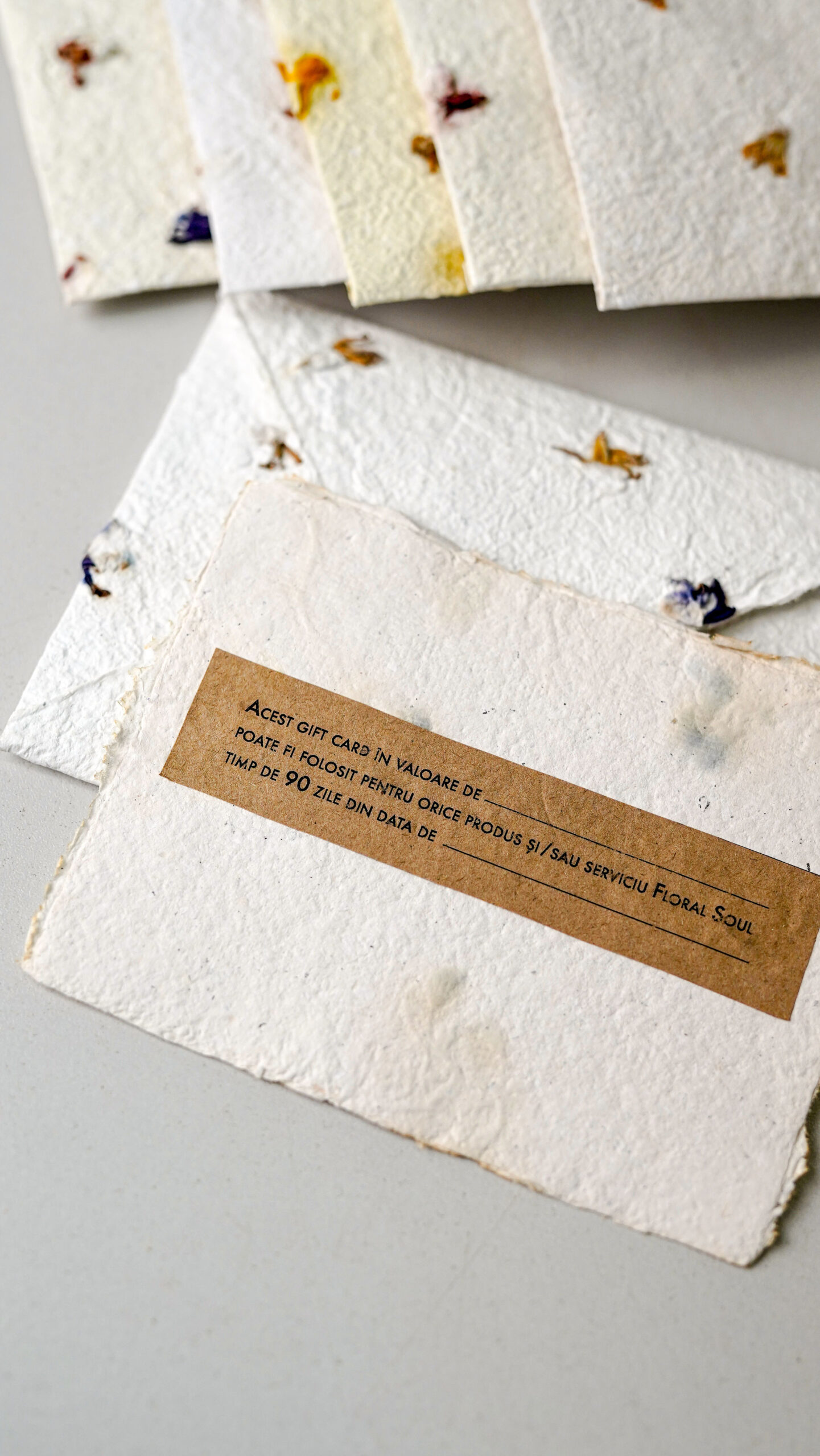
Give the joy of a perfect gift to someone who loves plants.
Plants make great gifts. Once given, they will grow for a long time and remind the recipient of you every time the plants provide shade or sprout a new leaf. The voucher can be used on any Floral Soul product, from houseplants to garden accessories. Once purchased, it is valid for 3 months from the date of purchase. It can be used both online and in-store at Orangerie (M. Kogălniceanu 54).
To add another amount, please contact the Floral Soul team at +373 69 992 328
Over the past few years, the Ficus Lyrata has been creating waves of admiration around the world. Thanks to its numerous appearances in popular design magazines, blogs and social media, it has been catapulted to superstar status in the plant world.
Any plant is a positive addition to your living or working space, but some plants have a much richer visual impact. Take Ficus Lyrata, for example. This plant is almost a work of art in itself. You can’t miss its violin-shaped leaves, crisscrossed with distinct, pale veins that add texture. The best part is that as the leaves grow larger, they become even more impressive.
Don’t worry if it loses a leaf or two after delivery – it needs time to adapt to its new home. It’s perfectly normal. It may also shed a few leaves in winter, and while it is small, the Ficus can live temporarily on shelves. Once it has grown, it will be placed on the floor because of its larger size.
The plant comes in a basic nursery pot.
We are happy to suggest and help you choose a new and appropriate one.
The plant comes in a basic nursery pot.
We are happy to suggest and help you choose a new and appropriate one.
The plant comes in a basic nursery pot.
We are happy to suggest and help you choose a new and appropriate one.