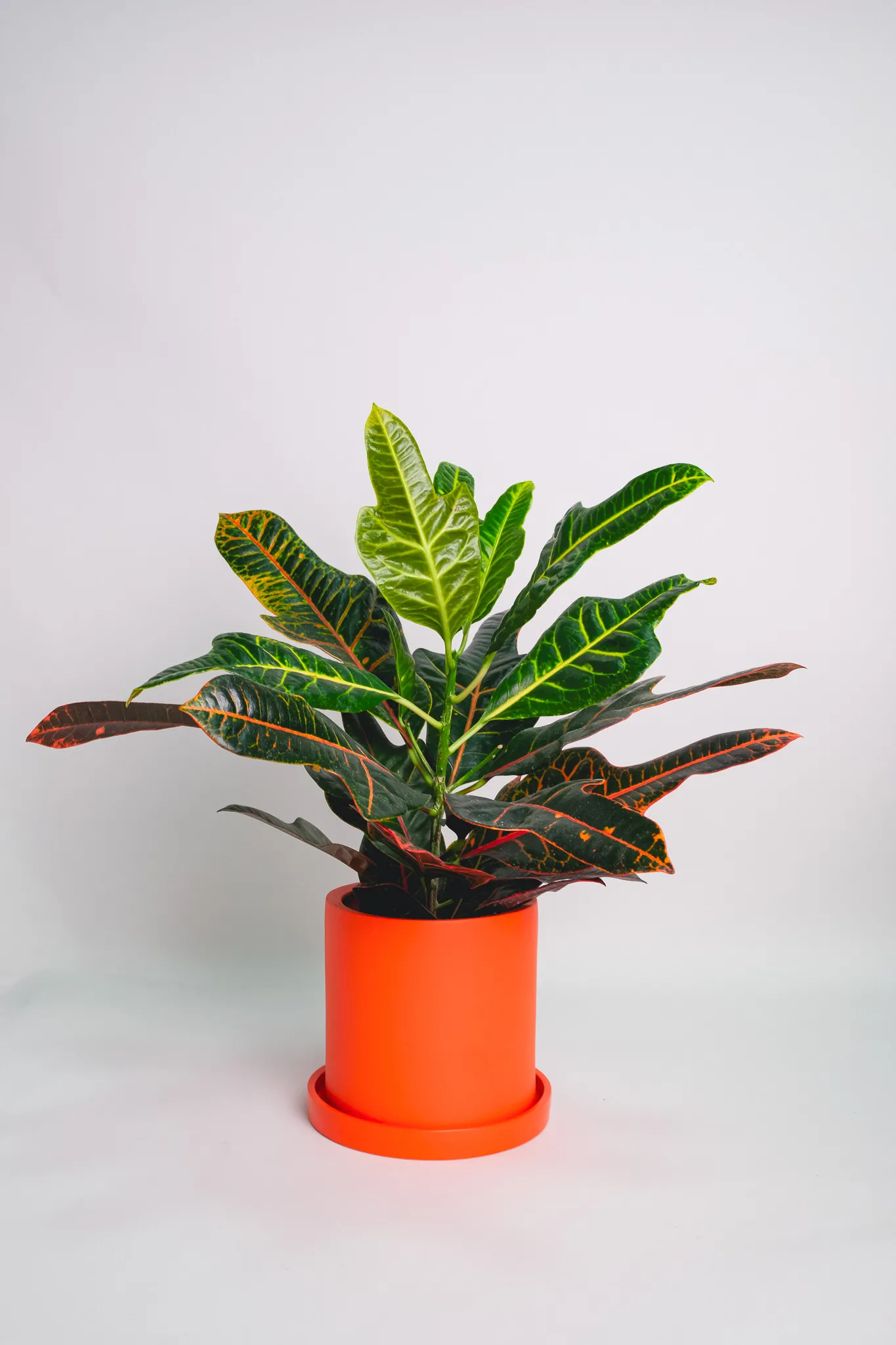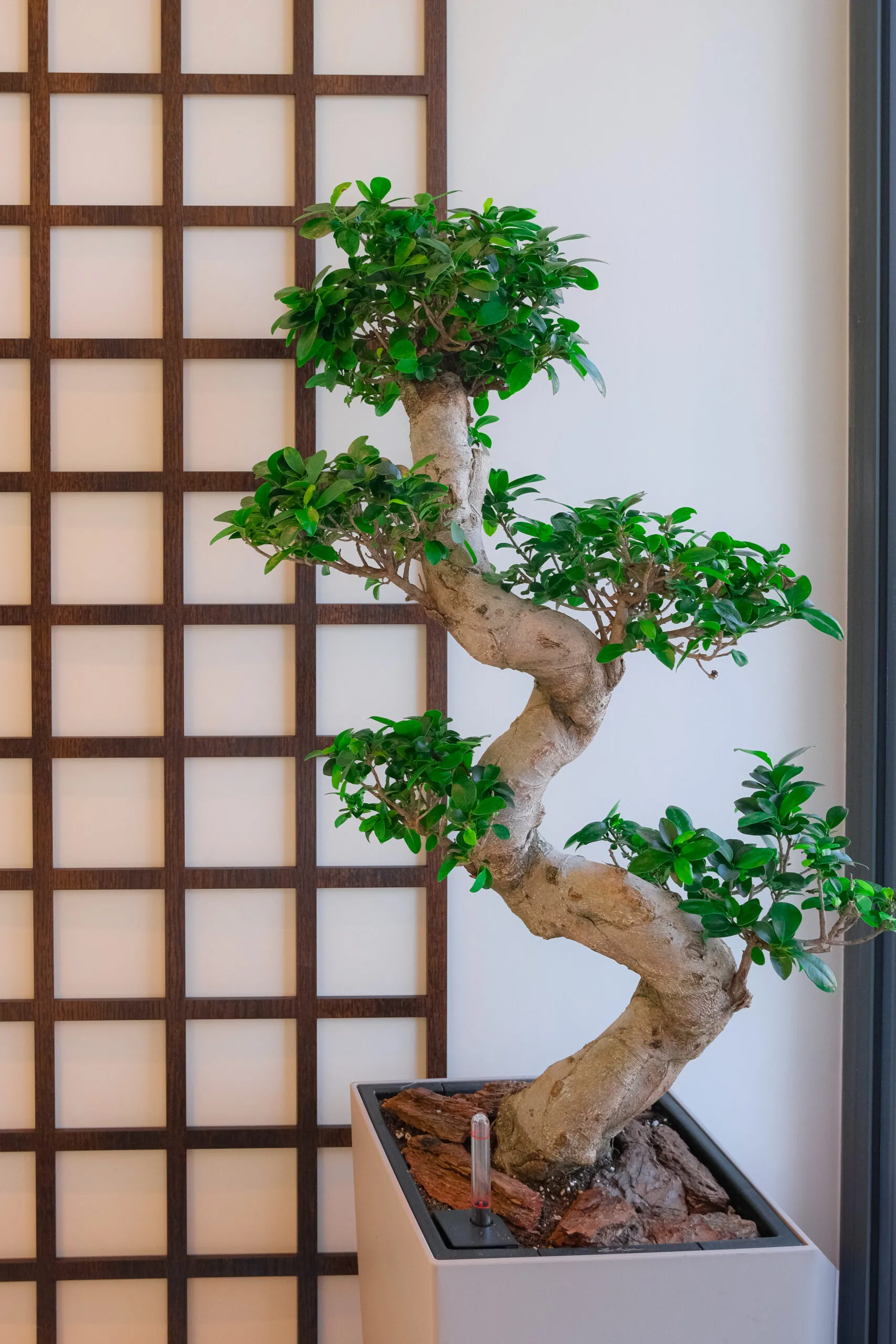
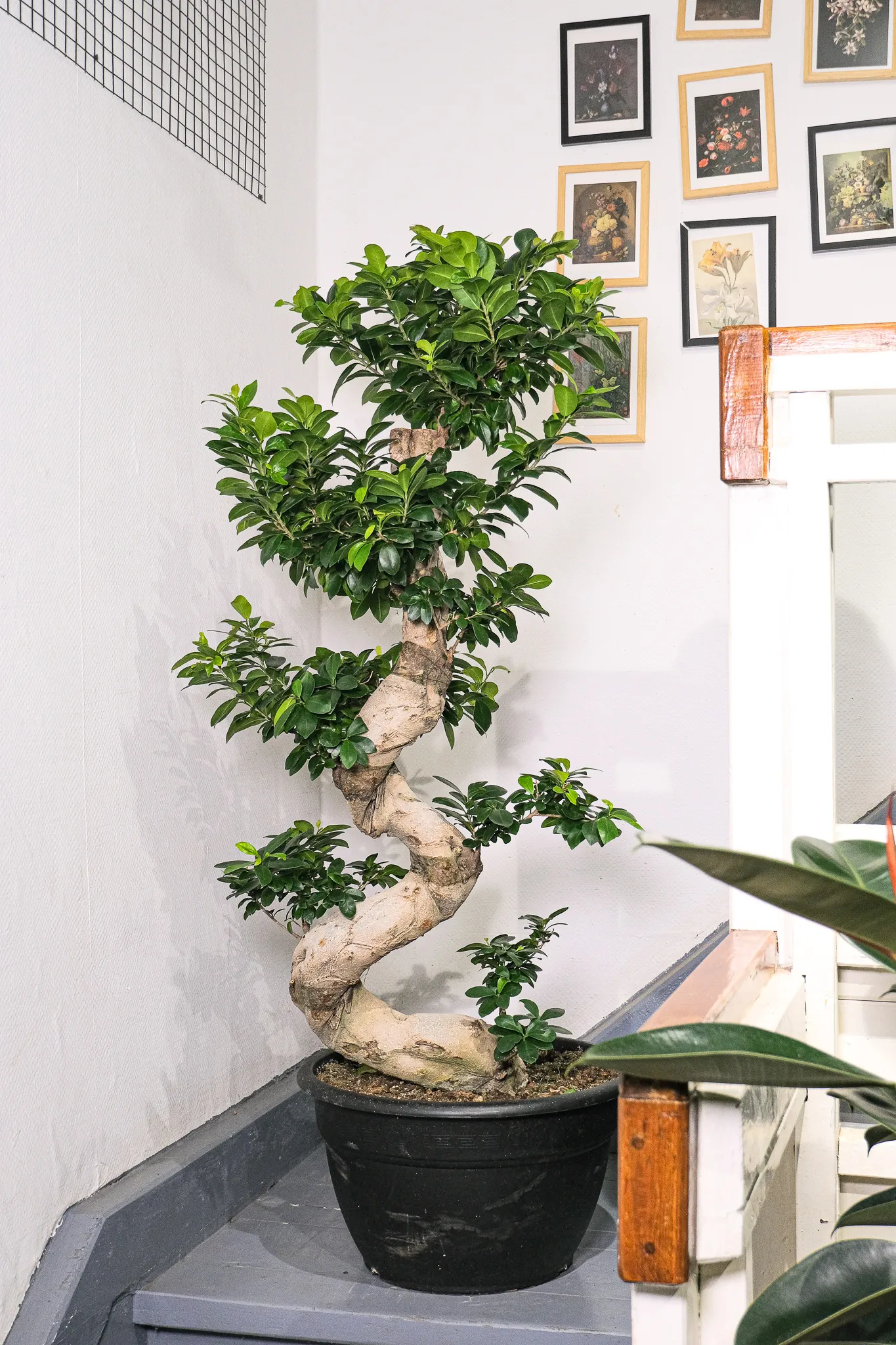
Ficus Elastica
3.000 MDL
Thanks to its large, glossy leaves, the Ficus Elastica adds a sophisticated touch to any space. It enjoys bright light, but without direct sun exposure, and its leaves have the ability to purify the air. In its natural environment, it can grow impressively tall, but indoors it usually reaches 1.5–2 meters. If you want to see it grow healthy and happy, you can find all the care tips in the Plant Library.
The plant is offered in a simple factory pot.
We recommend and with a great pleasure will help you to choose a new and suitable one.
Related products
Over the past few years, the Ficus Lyrata has been creating waves of admiration around the world. Thanks to its numerous appearances in popular design magazines, blogs and social media, it has been catapulted to superstar status in the plant world.
Any plant is a positive addition to your living or working space, but some plants have a much richer visual impact. Take Ficus Lyrata, for example. This plant is almost a work of art in itself. You can’t miss its violin-shaped leaves, crisscrossed with distinct, pale veins that add texture. The best part is that as the leaves grow larger, they become even more impressive.
Don’t worry if it loses a leaf or two after delivery – it needs time to adapt to its new home. It’s perfectly normal. It may also shed a few leaves in winter, and while it is small, the Ficus can live temporarily on shelves. Once it has grown, it will be placed on the floor because of its larger size.
The plant comes in a basic nursery pot.
We are happy to suggest and help you choose a new and appropriate one.
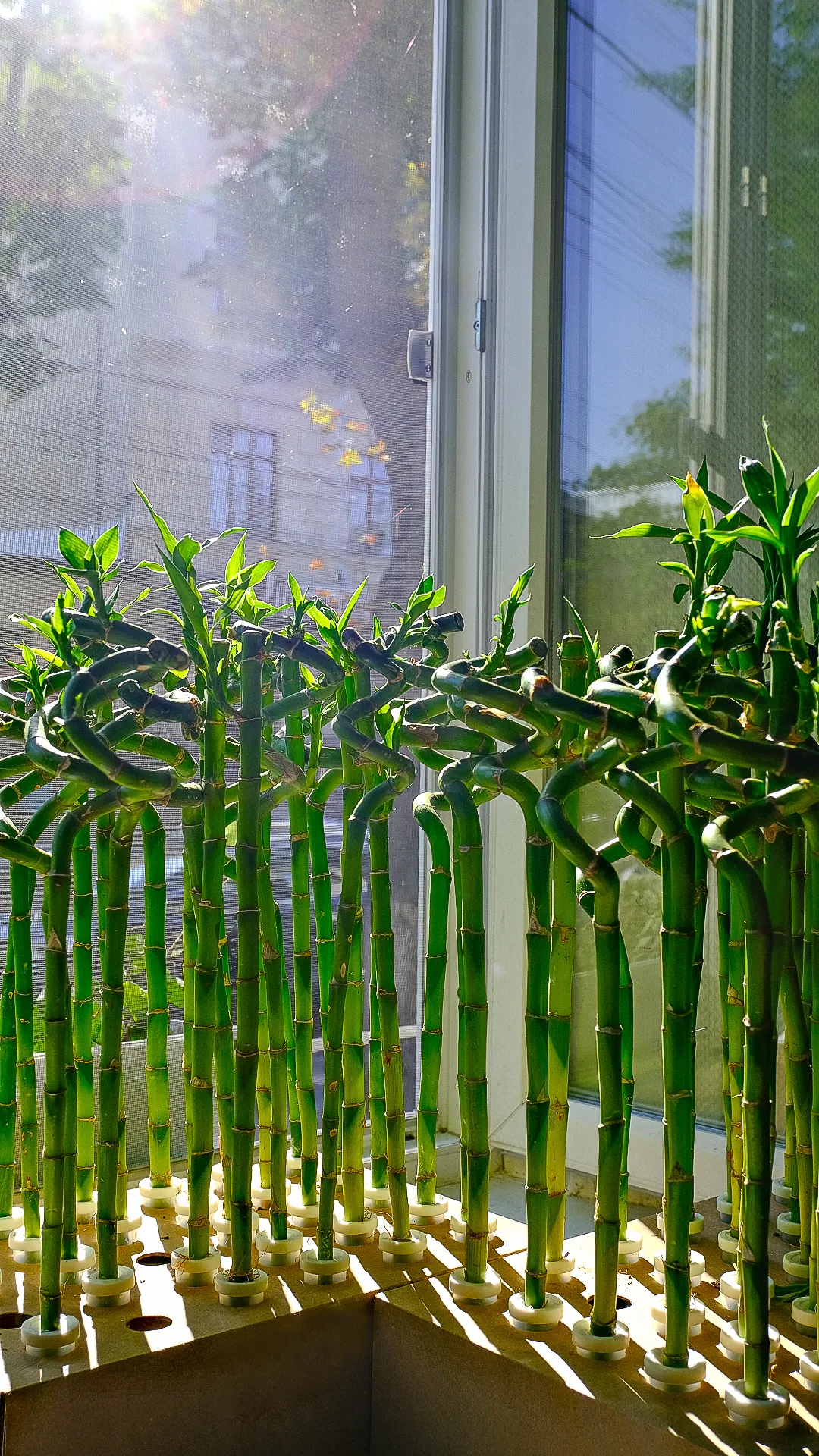
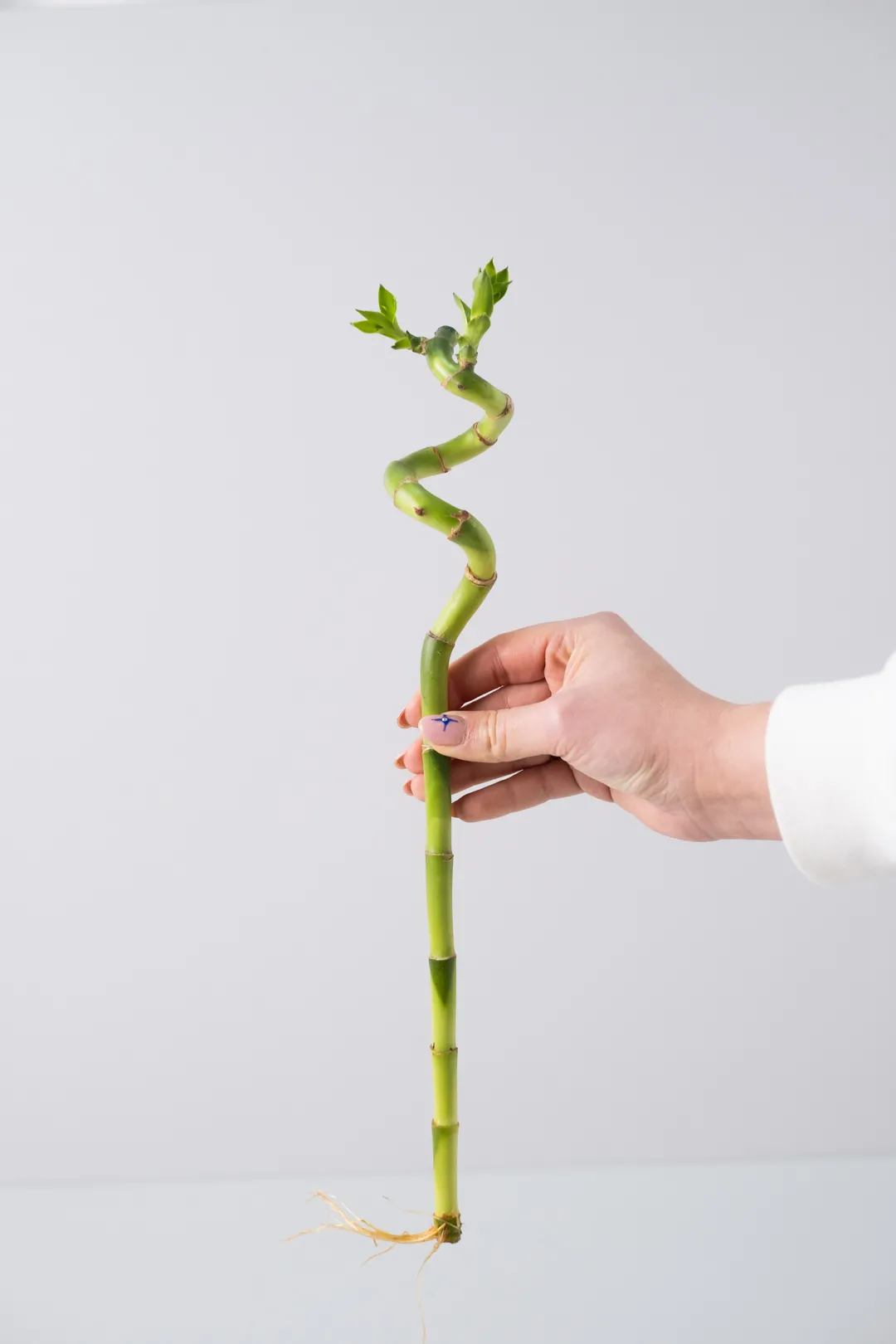
Plants often reflect the ambience of their native habitats. For a touch of Zen and Feng Shui, choose Lucky Bamboo, a plant believed to bring good fortune.
Lucky Bamboo thrives in a water-filled container, maintaining its decorative appeal over time. It’s low-maintenance: simply change the water regularly, place it in a bright spot, and there’s no need for fertilizer.
The plant does not require pots or soil. After purchase, remove the protective cover and place the plant in any container filled with water.
Spanish moss, also commonly known as Old Man’s Beard, is a tropical evergreen epiphytic perennial native to tropical America. Its latin name is Tillandsia usneoides. The name ‘Spanish Moss’ is a misnomer as this plant is neither Spanish nor a moss. It is a bromeliad, and the name has nothing to do with where it comes from. The beauty, non-toxicity and easy care of air plants are attracting more and more people to start their collections.
Since it likes relatively humid conditions, growing it in a light, bright bathroom or kitchen can be ideal – but Spanish moss can also thrive in other parts of your home as long as you make sure it gets the humidity and moisture it needs. When watering, ensure that water does not collect between the leaves, as this can cause them to rot. It is a good idea to tilt the plant slightly downwards or shake it gently after watering to avoid waterlogging.
The plant does not require a pot as it does not need soil. However, you can choose a pot for decorative purposes or for another plant.
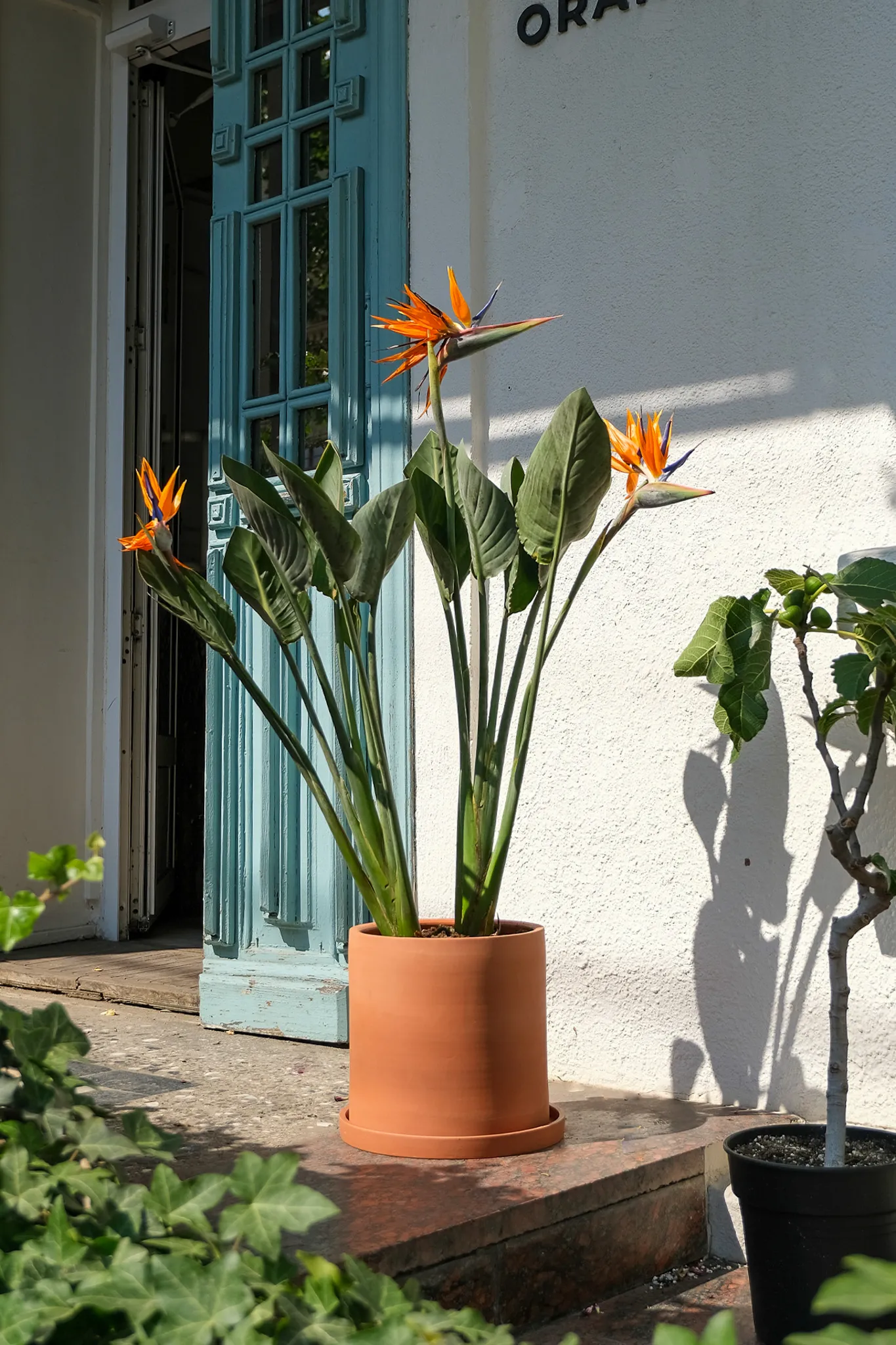
relitzia Reginae, often called the Bird of Paradise, thrives in the wilds of South Africa and truly lives up to its majestic name. Position it in your living room or hallway, and you’ll instantly infuse your space with a touch of the jungle, harmoniously blending with urban elegance. Pollinated by birds, it features robust stems strong enough to support the weight of several birds at once. Discover its preferred conditions in the Plant Library.
Only the mature plant is in flower at the moment.
The plant comes in a basic nursery pot.
We are happy to suggest and help you choose a new and appropriate one.
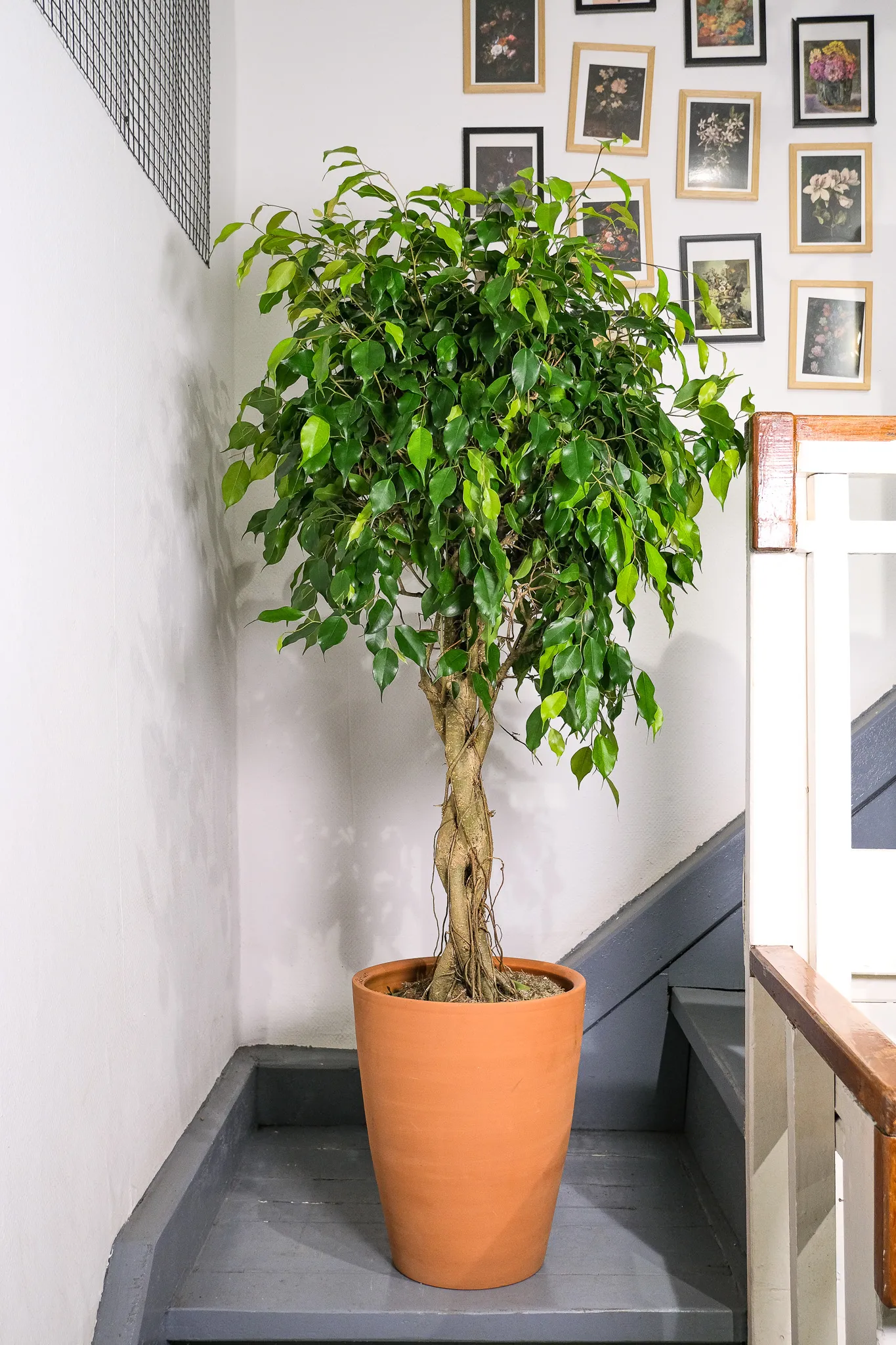
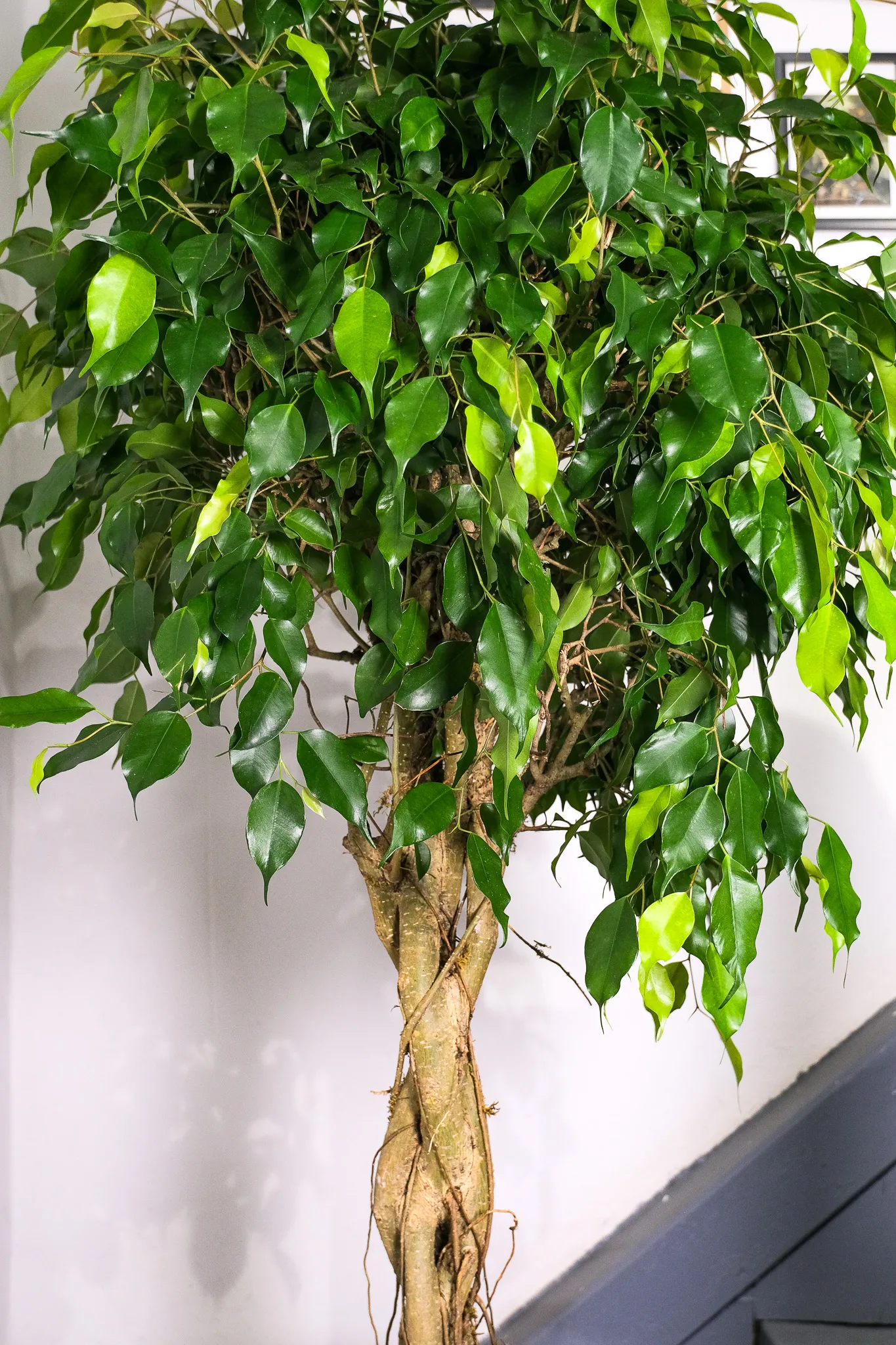
Ficus Be Exotica Twisted looks as if it’s just completed a perfect Pilates session. With its artistically twisted trunk and mirror-like green leaves, it effortlessly transforms your home into a tropical scene. It needs light and a bit of water, but you can rely on it to remain elegantly calm, like a true yogi. Visit the Plant Library for care tips.
The plant comes in a basic nursery pot.
We are happy to suggest and help you choose a new and appropriate one.
A collection of carefully selected plants for the fluffiest and most playful of companions. In addition to their attractive appearance, these plants are safe for children and pets, even in the event of accidental nibbling. This set contains the following small plants: Banana, Strelitzia, Calathea and Fern.
*Enjoy free transplanting and delivery with this purchase. Choose between clay or plastic pots for your set.
*You save more when you buy a plant set. Additional discounts cannot be applied.
The Schefflera plant, Schefflera Arboricola, native to South Asia and parts of Australia, is often called the umbrella plant, and for good reason. The five to seven leaflets that make up each long-stalked leaf resemble umbrellas.
The foliage will keep its healthy, glossy appearance if you spray it daily with water at room temperature. Being a medium light lover, placing it in strong direct sunlight will burn its leaves. It will also not do well in areas of extreme light deficiency and is best placed near a window – even a north-facing one. Yellowing and drooping leaves are probably a sign that the plant is overheating. Leave the soil to dry out longer between waterings. Brown, dry leaves – may be caused by underwatering.
To control the height of the plant and increase its bushy appearance, cut back any overhanging branches in spring. Don’t cut more than 30% of the plant as this can cause shock. It is considered poisonous to humans and pets. The sap in the leaves can cause mild skin irritation.
The plant comes in a basic nursery pot.
We are happy to suggest and help you choose a new and appropriate one.
The plant comes in a basic nursery pot.
We are happy to suggest and help you choose a new and appropriate one.
The plant comes in a basic nursery pot.
We are happy to suggest and help you choose a new and appropriate one.
Hoya Kerrii, commonly known as the Sweetheart Hoya or Valentine Hoya, is native to Southeast Asia, particularly in Thailand and parts of China. This unique vining succulent is trendy each year around Valentine’s Day.
Not only it is adorable, but produces trailing woody vines that are delightfully easy to grow, low maintenance, and slow-growing. Give it indirect light, and moderate watering and protect it from low temperatures.
The plant comes in a basic nursery pot.
We are happy to suggest and help you choose a new and appropriate one.
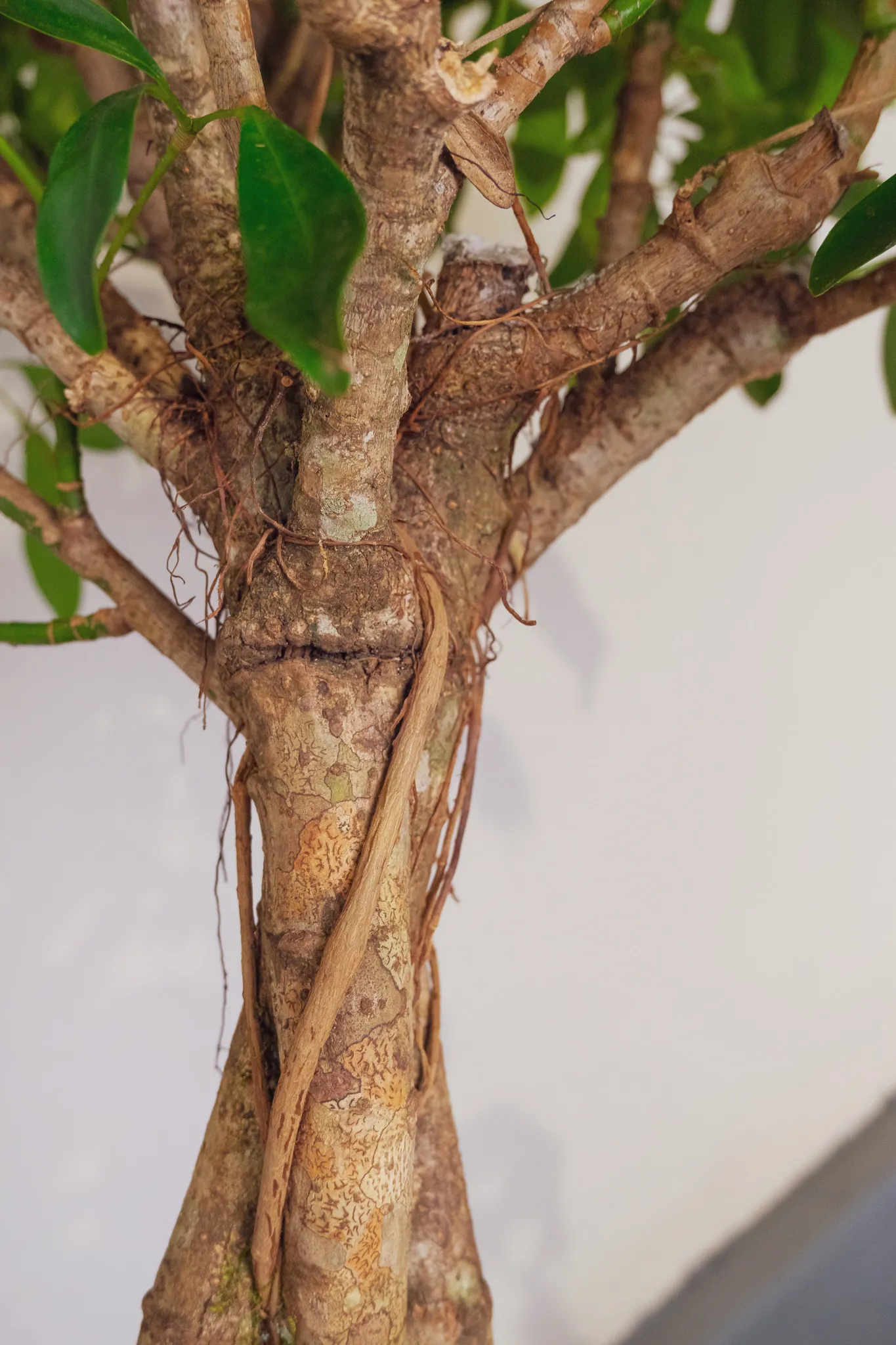
If you are looking for an entry into the ancient Japanese art of Bonsai, a great place to start is with a Ginseng Ficus. Native to Southeast Asia, it is prized for its whimsically-shaped trunk. The aerial roots of this interesting houseplant grow above the ground. The leaves are dark green, and oval shaped and grow densely, making it perfect for pruning.
To care for this guardian of balance, give it indirect light, moderate watering and regular airing to maintain its health and vitality. Your Ficus Ginseng bonsai can grow anywhere between 16-40 inches indoors and is a very forgiving houseplant, making it perfect for beginner bonsai enthusiasts.
The plant comes in a basic nursery pot.
We are happy to suggest and help you choose a new and appropriate one.