Cactus Potting Mix
from 100 MDL
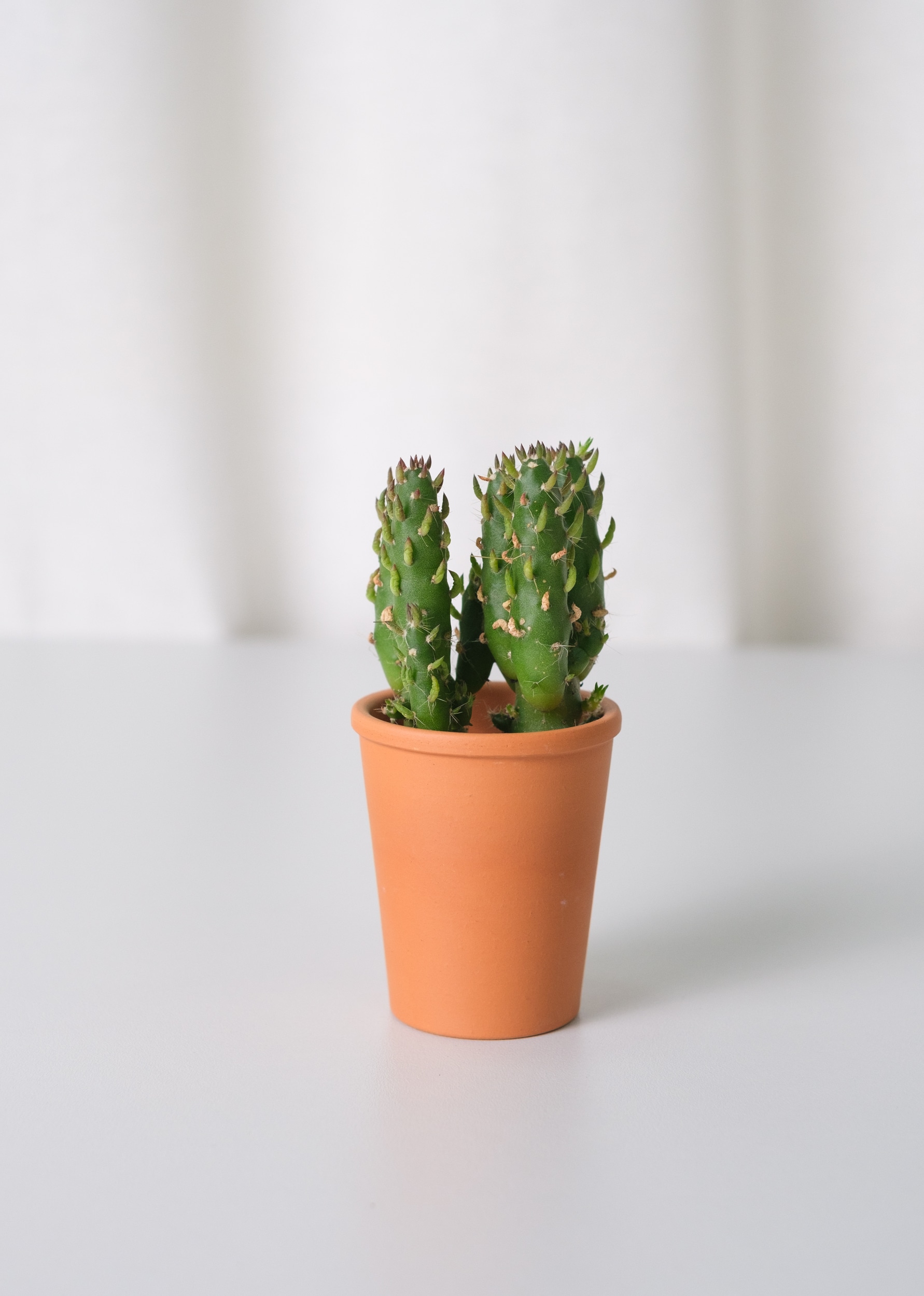
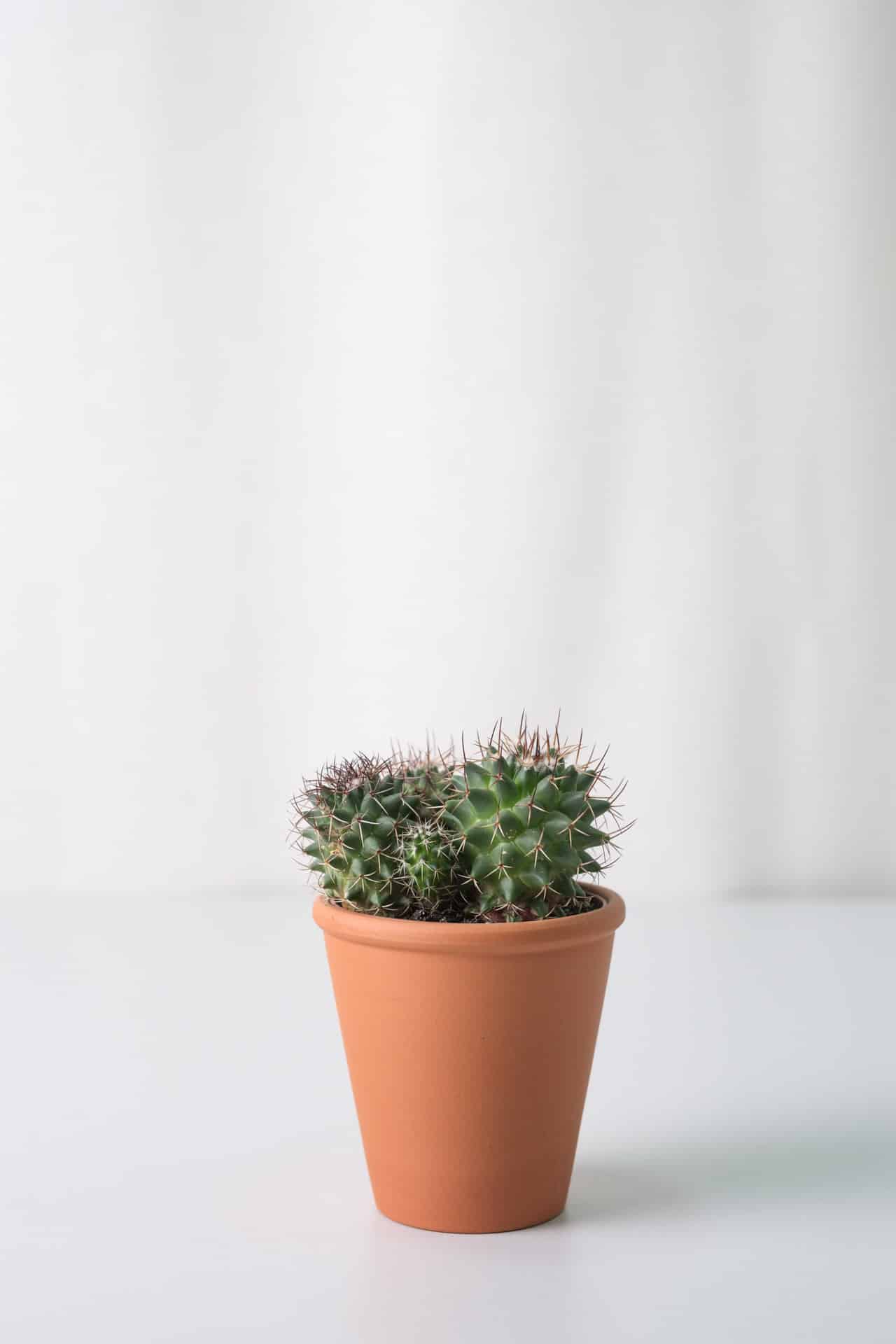
The cactus, with its innate self-sufficiency and unique appearance, makes a fantastic addition to any home décor.
Cacti are native to South America. They are said to have been around since prehistoric times – archaeological digs have shown that people used to grow them for their fruit.
Today, a cactus is an addition to a room because of its remarkable shape, size and flowers. Just as no two cacti are alike, this plant is a unique way to decorate your space: either perched on a windowsill or beautifully arranged on a shelf. And when you least expect it, the cactus knows how to surprise you with pink globules and magnificent flowers at the top.
The plant comes in a basic nursery pot.
We are happy to suggest and help you choose a new and appropriate one.
Related products
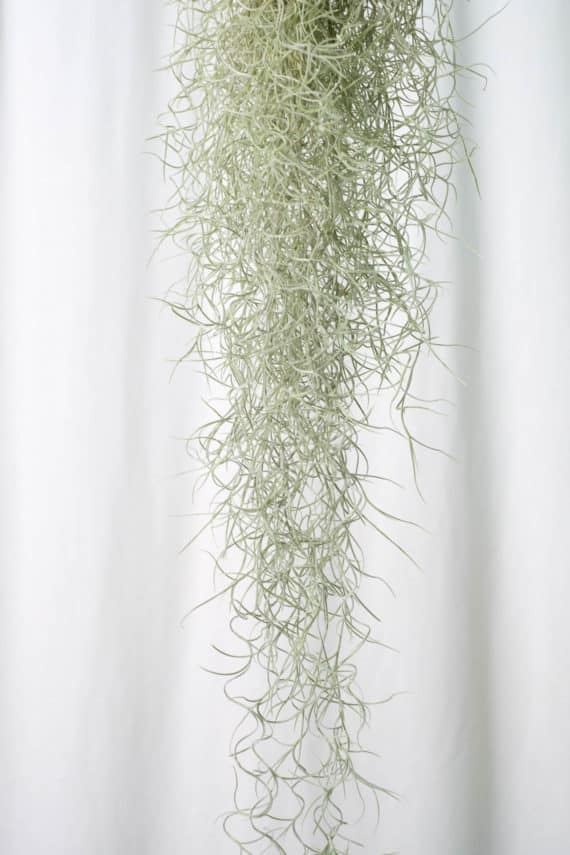
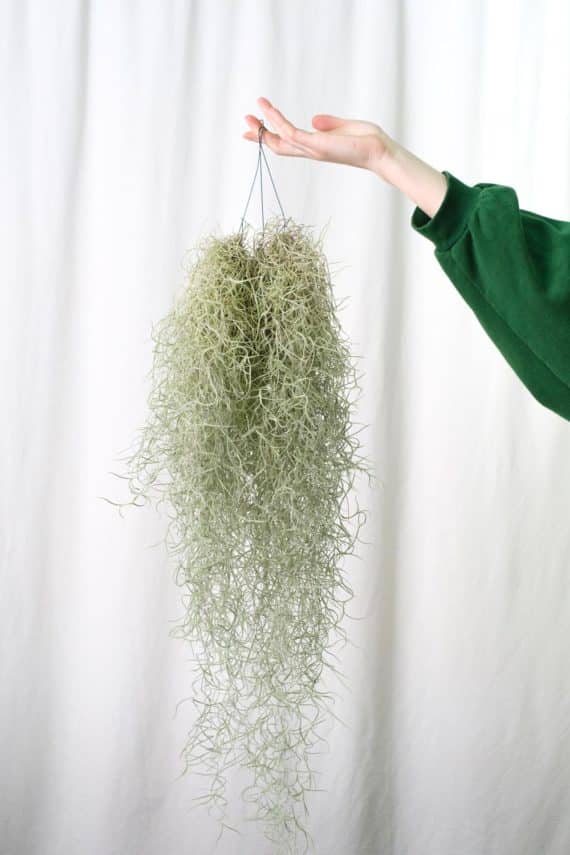
Spanish moss, also commonly known as Old Man’s Beard, is a tropical evergreen epiphytic perennial native to tropical America. Its latin name is Tillandsia usneoides. The name ‘Spanish Moss’ is a misnomer as this plant is neither Spanish nor a moss. It is a bromeliad, and the name has nothing to do with where it comes from. The beauty, non-toxicity and easy care of air plants are attracting more and more people to start their collections.
Since it likes relatively humid conditions, growing it in a light, bright bathroom or kitchen can be ideal – but Spanish moss can also thrive in other parts of your home as long as you make sure it gets the humidity and moisture it needs. When watering, ensure that water does not collect between the leaves, as this can cause them to rot. It is a good idea to tilt the plant slightly downwards or shake it gently after watering to avoid waterlogging.
The plant does not require a pot as it does not need soil. However, you can choose a pot for decorative purposes or for another plant.
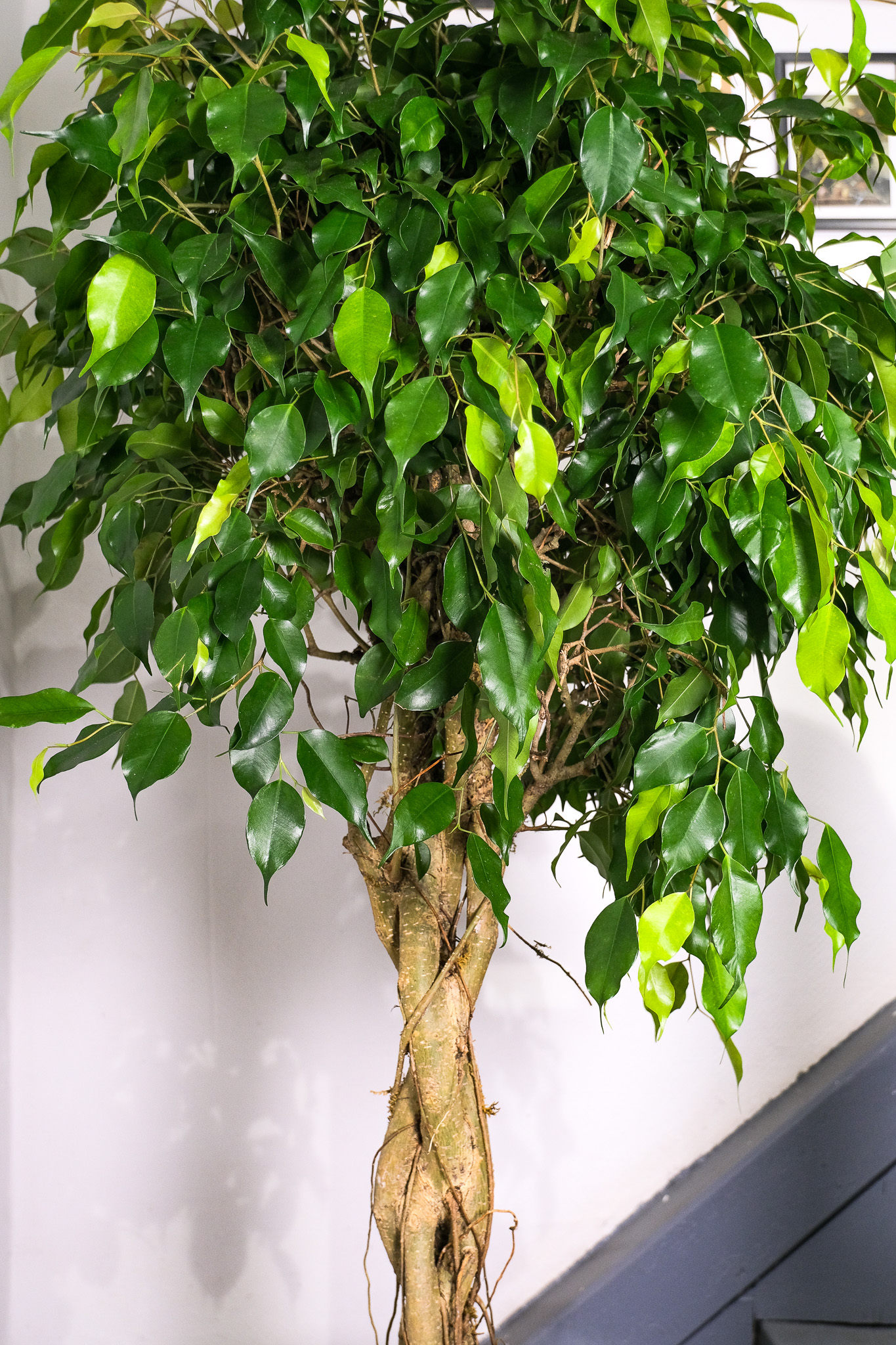
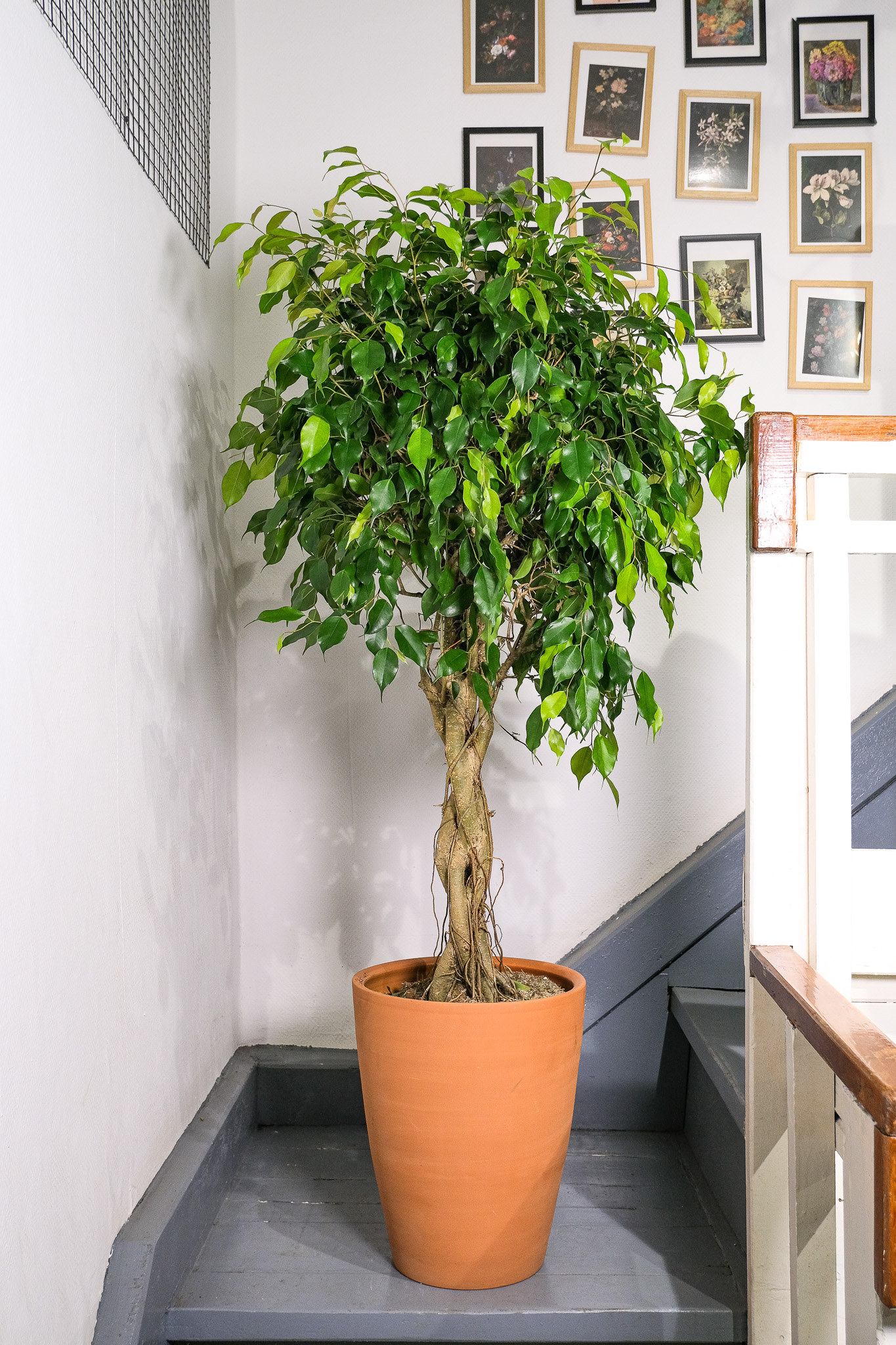
Ficus Be Exotica Twisted looks as if it’s just completed a perfect Pilates session. With its artistically twisted trunk and mirror-like green leaves, it effortlessly transforms your home into a tropical scene. It needs light and a bit of water, but you can rely on it to remain elegantly calm, like a true yogi. Visit the Plant Library for care tips.
The plant comes in a basic nursery pot.
We are happy to suggest and help you choose a new and appropriate one.
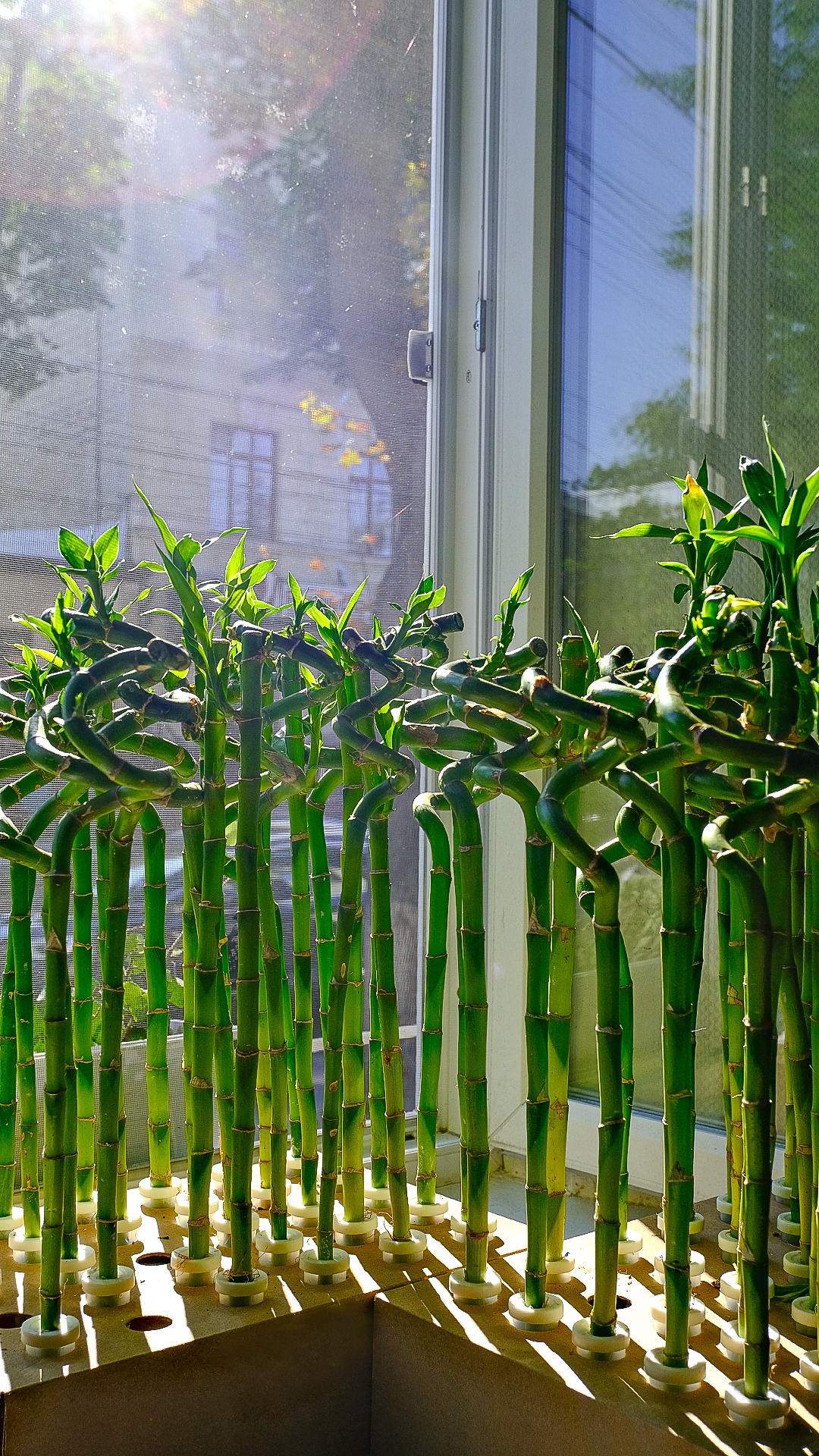
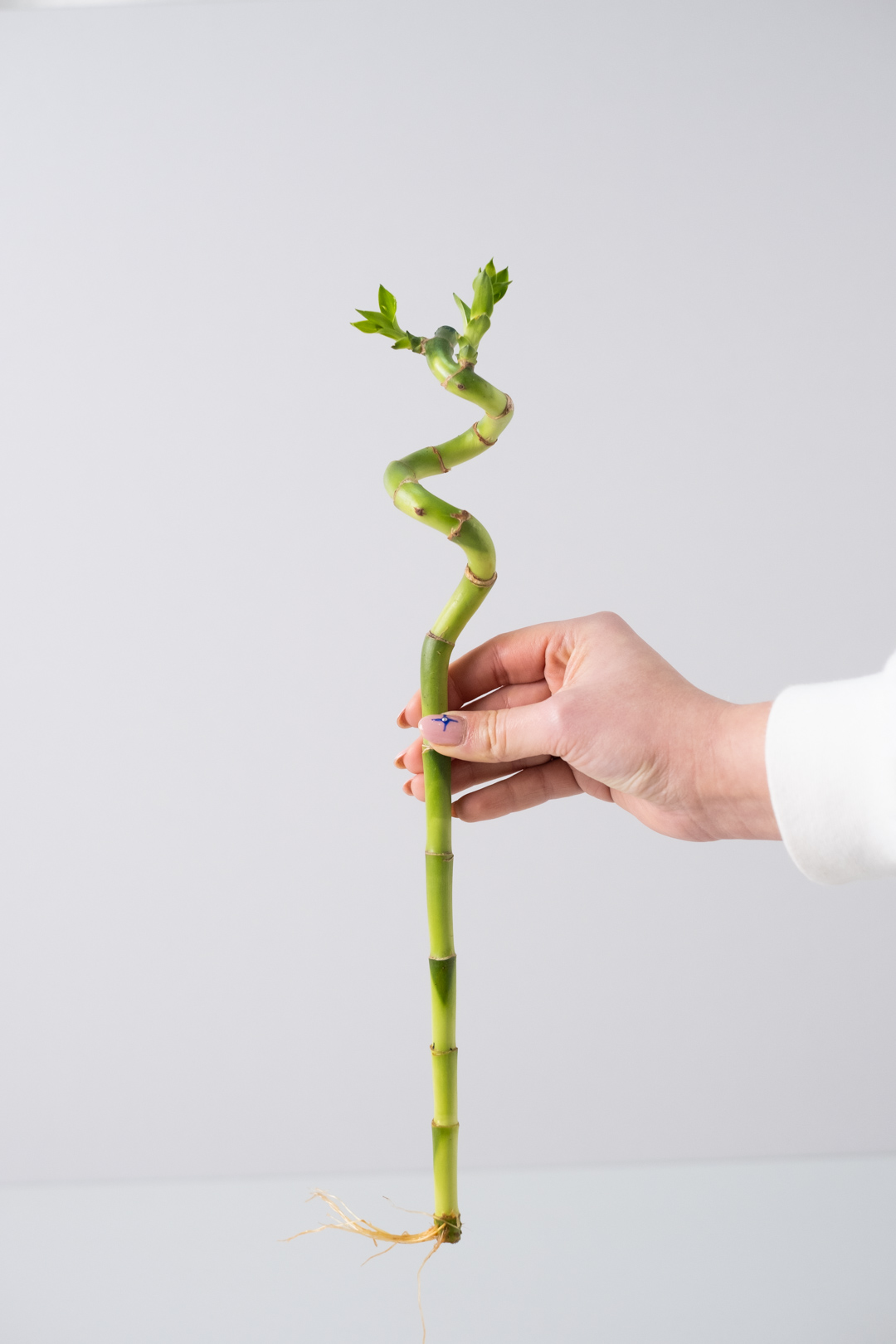
Plants often reflect the ambience of their native habitats. For a touch of Zen and Feng Shui, choose Lucky Bamboo, a plant believed to bring good fortune.
Lucky Bamboo thrives in a water-filled container, maintaining its decorative appeal over time. It’s low-maintenance: simply change the water regularly, place it in a bright spot, and there’s no need for fertilizer.
The plant does not require pots or soil. After purchase, remove the protective cover and place the plant in any container filled with water.
Calla, also known as the Ethiopian Lily, is an exotic-looking plant with elegant horn-shaped flowers. This plant prefers indirect light and moderate temperatures, and to keep it healthy, make sure the soil stays slightly moist, but avoid stagnant water in the pot.
The plant is offered in a simple factory pot.
We recommend and with a great pleasure will help you to choose a new and suitable one.
We have to admit it: bushy or prickly, with round or lobed leaves, succulents are incredibly popular. In some homes, you can find impressive collections or creative arrangements. The range of colours and textures is a feast for the eyes.
Succulents are a real blessing when we travel a lot, are too busy or simply forget to water them. This is very important! The leaves, stems and roots of succulents are thick and fleshy, which allows them to store water and withstand harsher conditions with such stoicism. In short, loyal plants!
In warm weather, water more generously if you notice that the soil in the pot has dried out. In late autumn or winter, water less frequently, once a month. Overwatering and waterlogged soil are the most common causes of loss.
Fun fact: the only continent without native succulents is Antarctica.
The plant comes in a basic nursery pot.
We are happy to suggest and help you choose a new and appropriate one.
Over the past few years, the Ficus Lyrata has been creating waves of admiration around the world. Thanks to its numerous appearances in popular design magazines, blogs and social media, it has been catapulted to superstar status in the plant world.
Any plant is a positive addition to your living or working space, but some plants have a much richer visual impact. Take Ficus Lyrata, for example. This plant is almost a work of art in itself. You can’t miss its violin-shaped leaves, crisscrossed with distinct, pale veins that add texture. The best part is that as the leaves grow larger, they become even more impressive.
Don’t worry if it loses a leaf or two after delivery – it needs time to adapt to its new home. It’s perfectly normal. It may also shed a few leaves in winter, and while it is small, the Ficus can live temporarily on shelves. Once it has grown, it will be placed on the floor because of its larger size.
The plant comes in a basic nursery pot.
We are happy to suggest and help you choose a new and appropriate one.
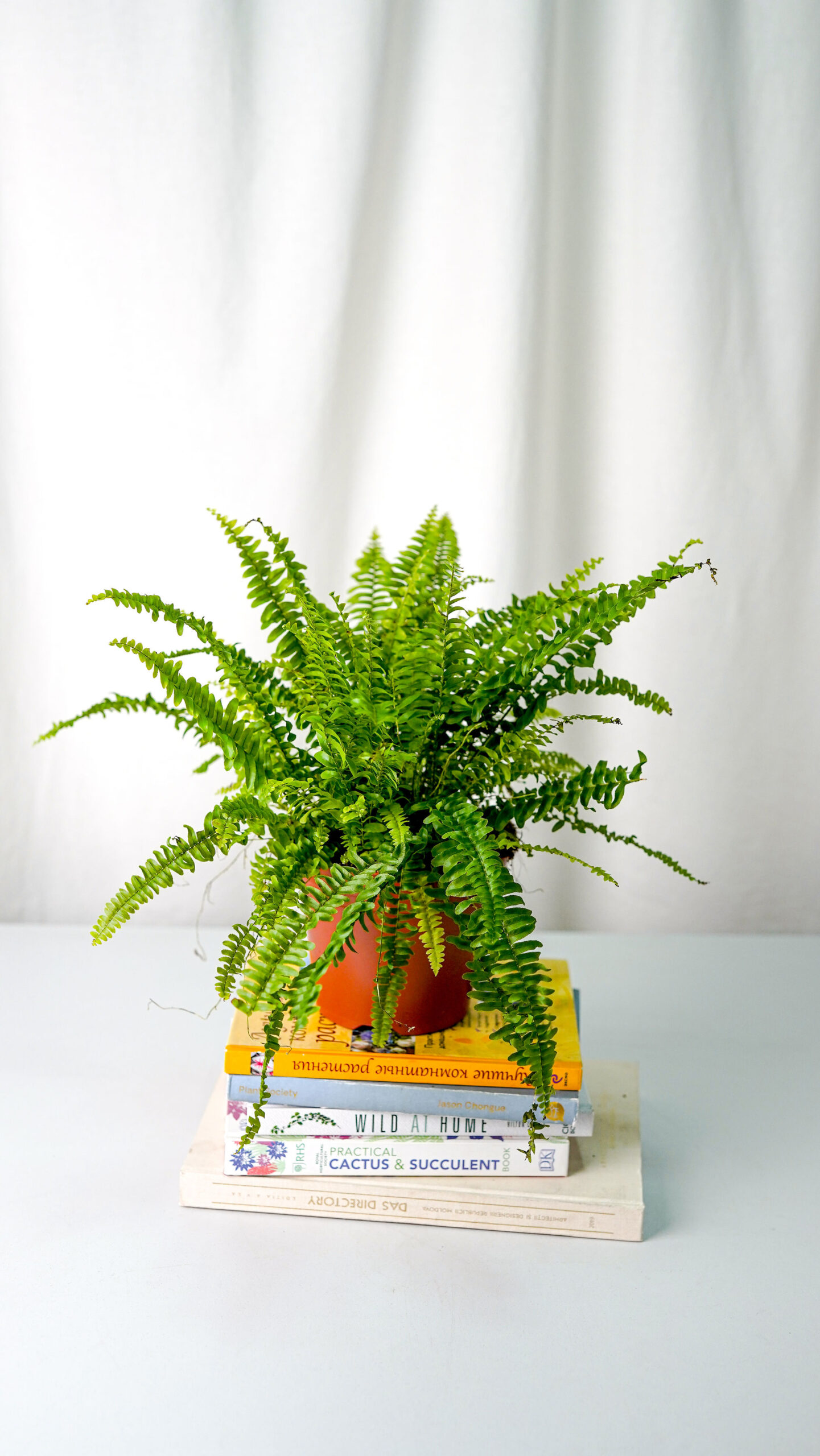
The Boston fern is one of the easiest ferns to care for, which has made it a popular houseplant for decades. It is not difficult to look after, but it does require some special care. The most important thing is to give it the ideal growing conditions: standard room temperature (13-24°C), plenty of humidity and indirect light. If the humidity is too low, the leaves will turn yellow. Another important aspect is the soil. It must be kept moist as one of the main reasons why the plant may not survive is dry soil.
A popular display is a hanging basket. Arranged in this way, the leaves of the plant will arch towards the basket, giving the appearance of floating in the air. Boston ferns are not considered toxic to pets or children. In a pot or hanging from a modern macrame hanger, the Boston Fern is a wonderful addition to the kitchen or bathroom.
The plant comes in a basic nursery pot.
We are happy to suggest and help you choose a new and appropriate one.
Bay laurel, also known as Laurus Nobilis, is the kind of plant that makes your life easier—and more aromatic. Just place it in a sunny corner or partial shade, and it will reward you with healthy, green leaves. Plus, it doesn’t care much about pests or diseases—like a medieval knight in armor. Just make sure to protect it from the cold, and it will repay you in every dish you cook with it!
Find out what conditions it prefers in Plant Library.
The plant is offered in a simple factory pot.
We recommend and with a great pleasure will help you to choose a new and suitable one.
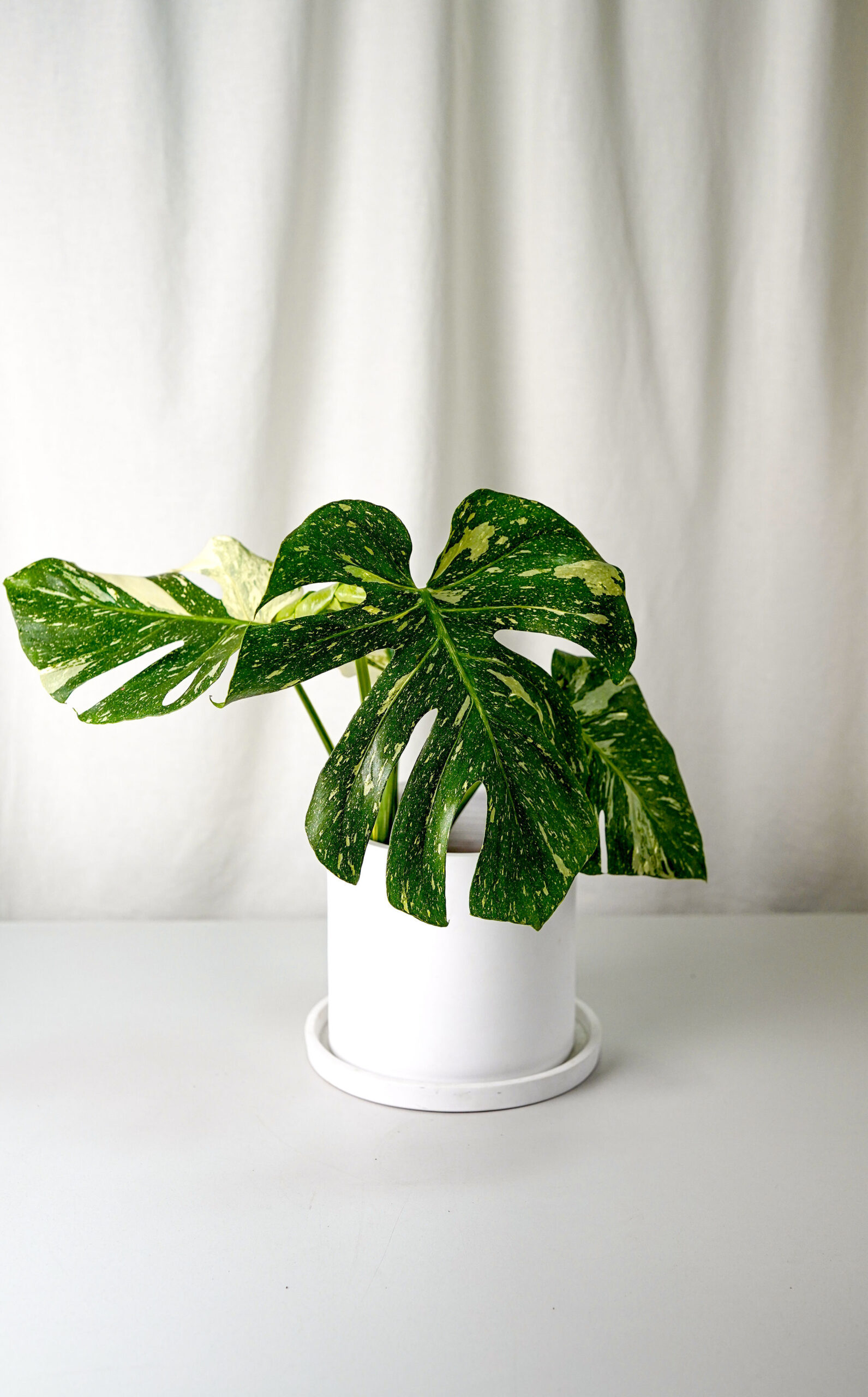
The Monstera Thai Constellation is like a sky full of stars: large, variegated leaves that make you feel as if nature picked up a brush and had a moment of “cosmic inspiration.” Easy to care for, it only requires indirect light and a corner of your living room or bedroom to showcase its tropical splendor. Discover how to nurture this celestial plant in our Plant Library.
The plant comes in a basic nursery pot.
We are happy to suggest and help you choose a new and appropriate one.
Calathea is a plant that presents you with many challenges if you want to keep it radiant. That look of tropical beauty that you fall in love with when you see it takes a lot of care to maintain.
It is a perennial plant that lives in the forests of Bolivia, and its tropical nature suggests that it likes the soil to be moist and never completely dry. Calathea requires high humidity and constant soil moisture. In other words, give it jungle-like conditions and you’ll both be happy.
If you look at the plant and it seems changed, it’s probably not just your imagination. Its leaves are very lively and move throughout the day. Calathea is guaranteed to add a dramatic touch to your plant collection, as it is in high demand.
The plant is offered in simple factory pots.
We recommend and with a great pleasure will help you to choose a new and suitable one.
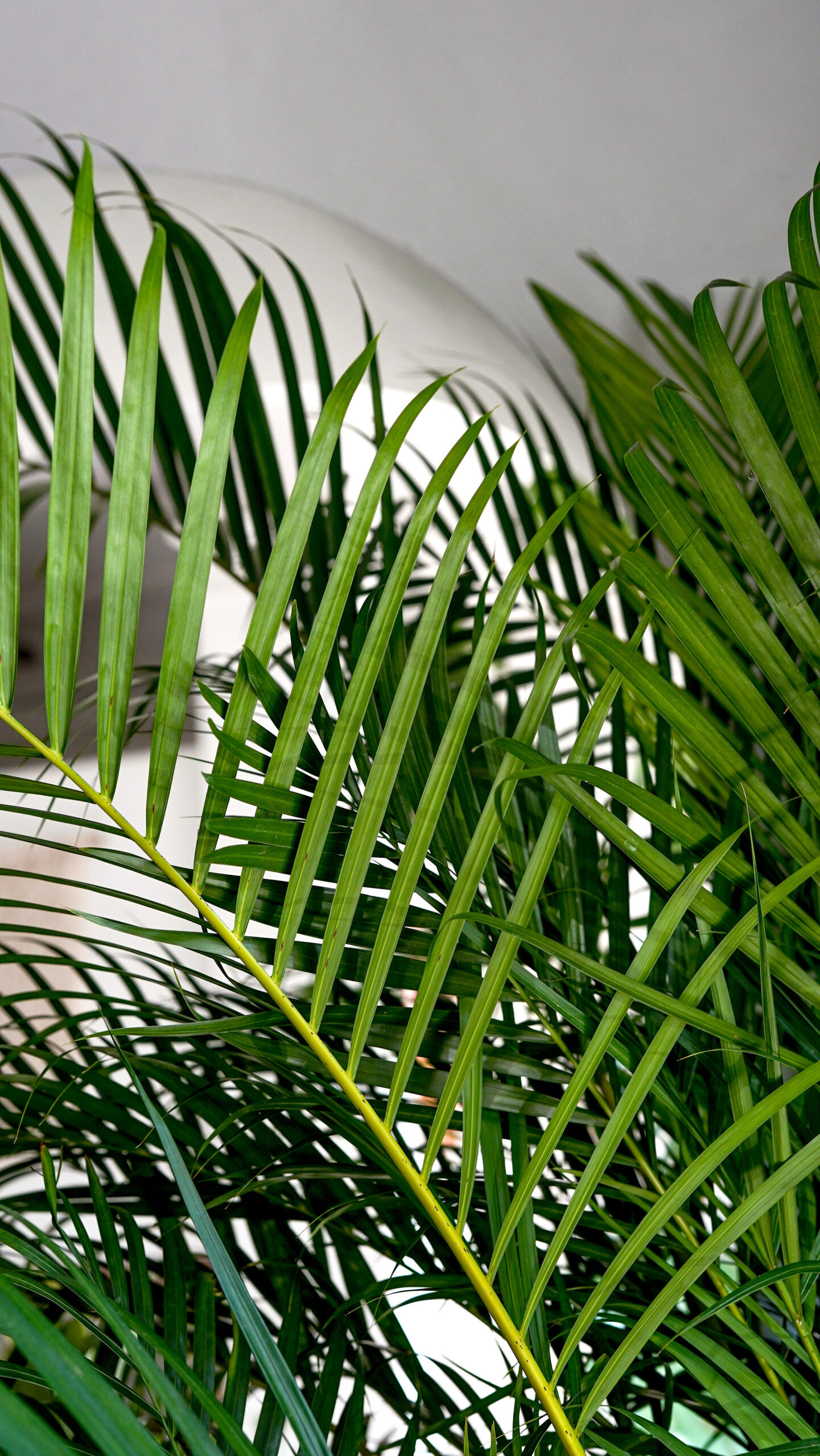
If you want to create a tropical holiday atmosphere in your home, you can’t beat the areca palm, with its elegantly arched leaves.
The Areca Palm, also known by its Latin name Dypsis Lutescens, is native to Madagascar. It is a fabulous houseplant, often grown for its dramatic tropical effect. It’s particularly good at making a visual impact wherever it’s placed. This makes it popular with plant lovers and interior designers.
With smooth, bamboo-like stems and full but narrow leaves, this green beauty needs plenty of room to spread out. We recommend placing it in a spacious area such as a reception, kitchen, hallway or living room. If you have plenty of light in your bedroom it would also work well there.
The plant comes in a basic nursery pot.
We are happy to suggest and help you choose a new and appropriate one.