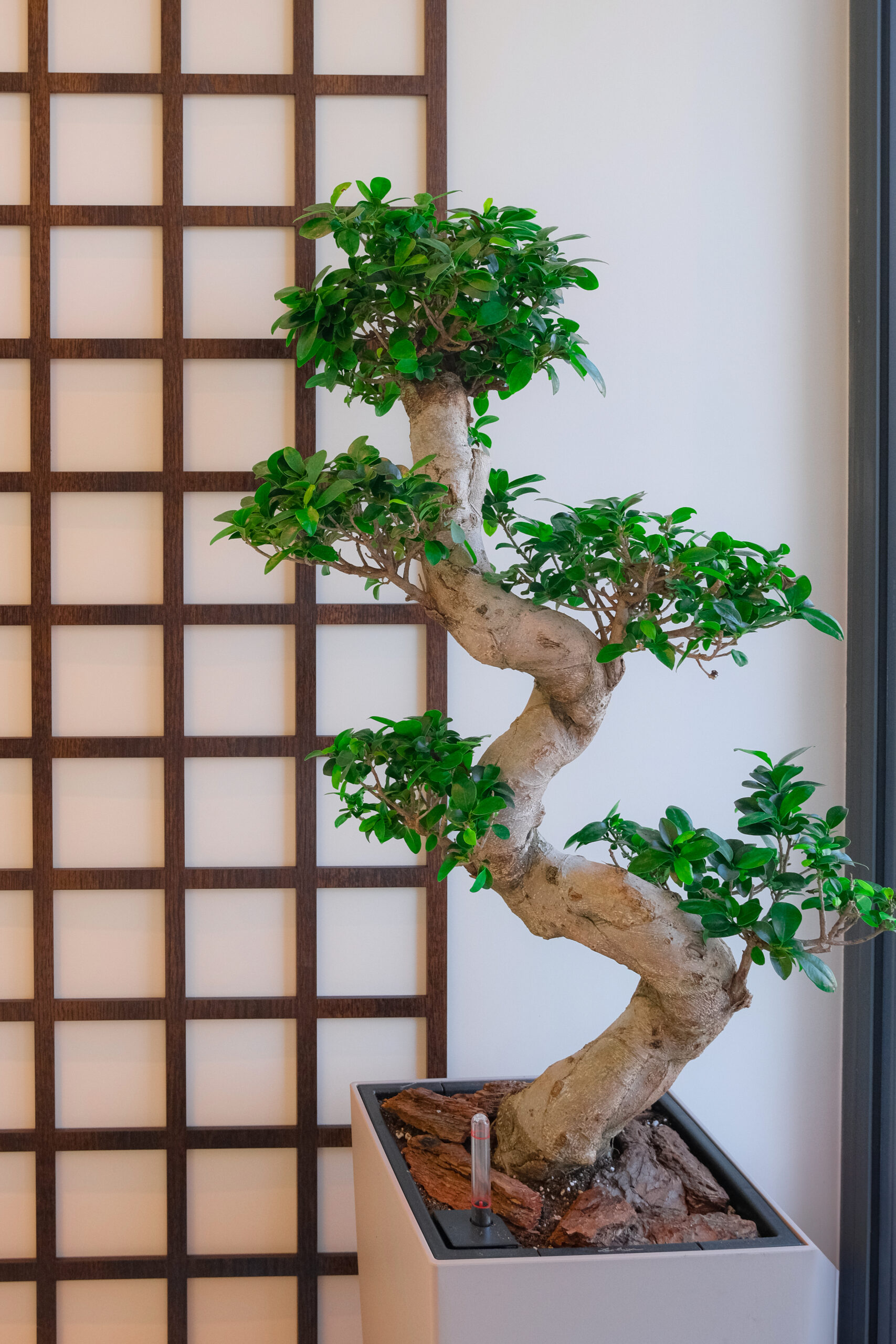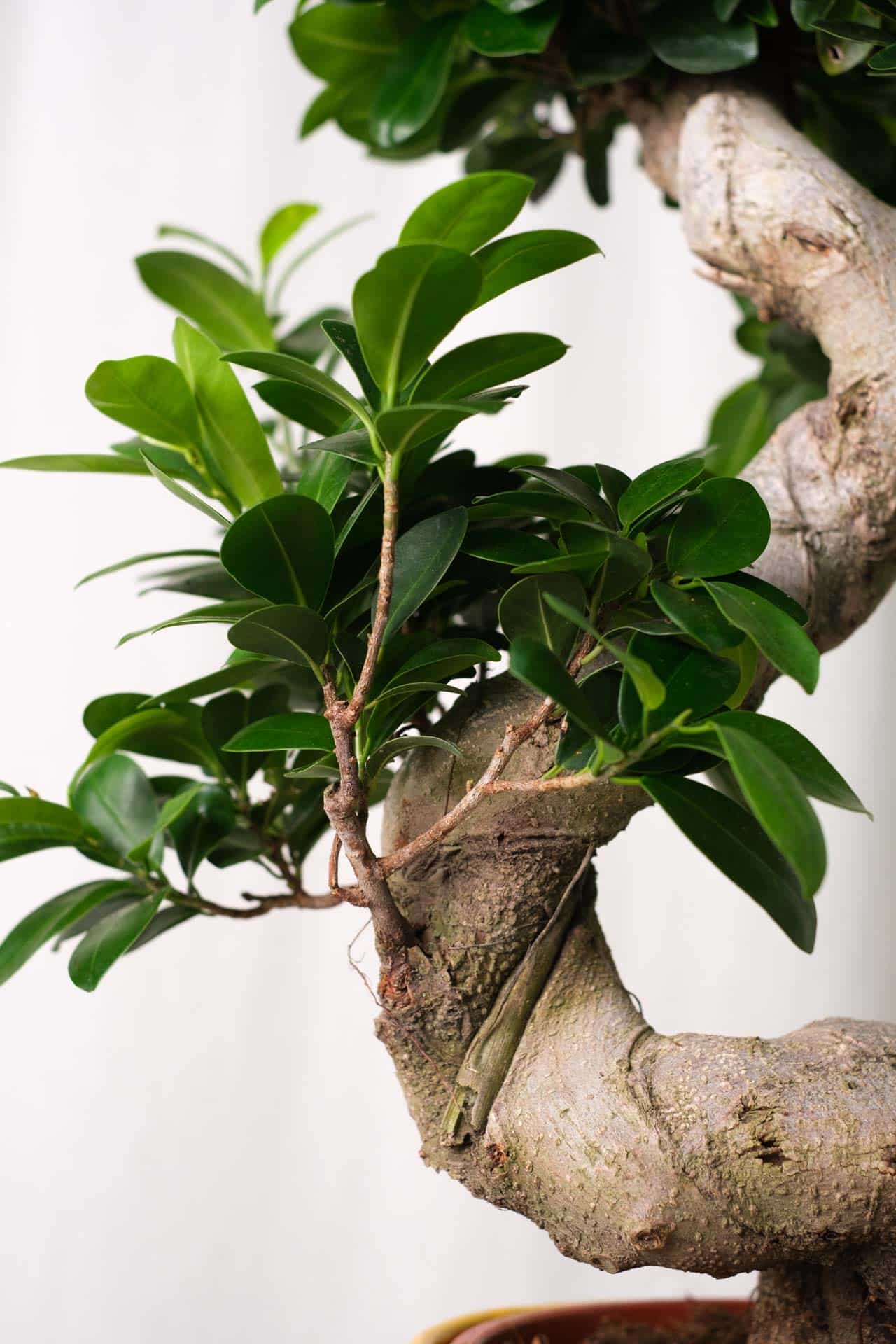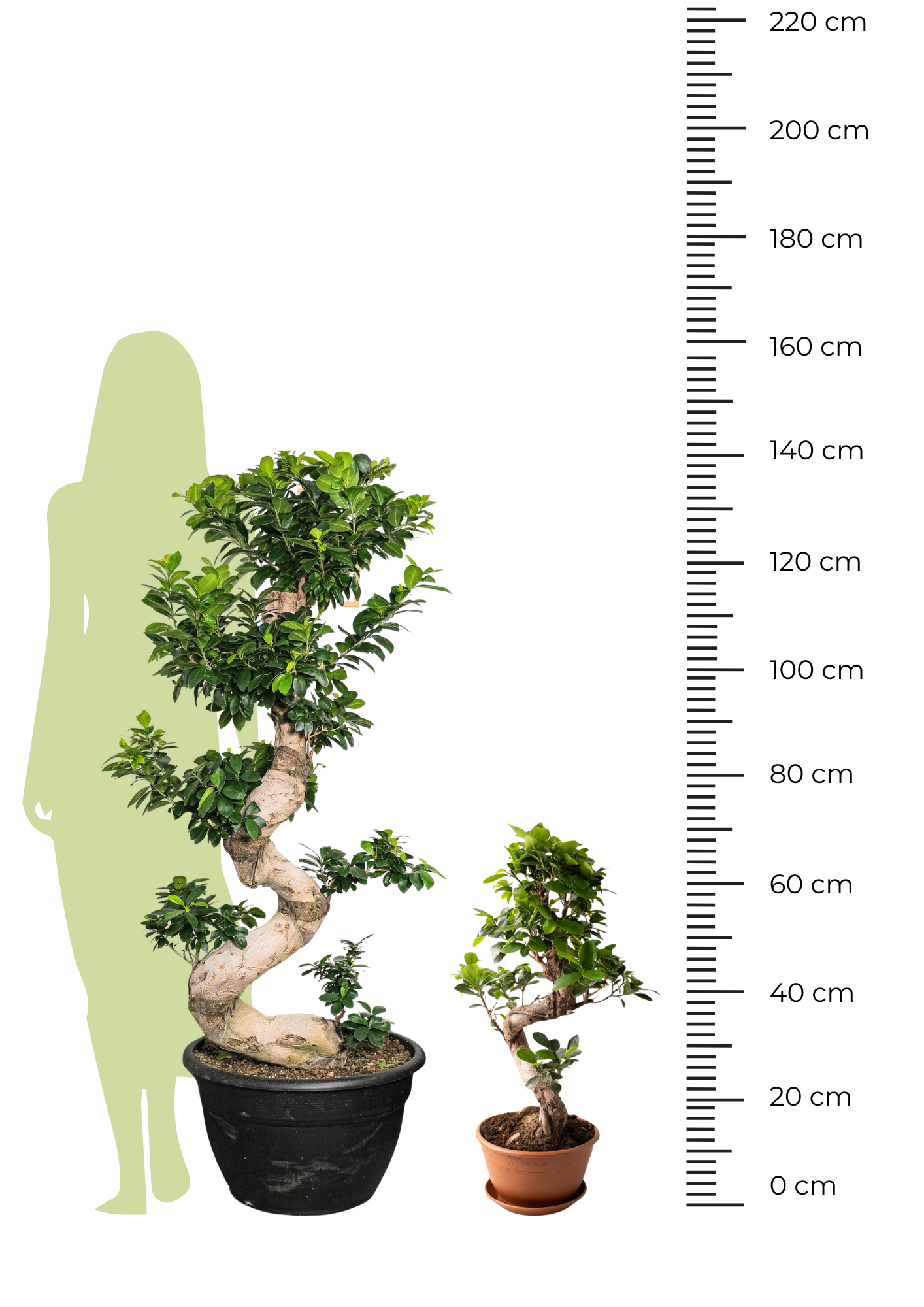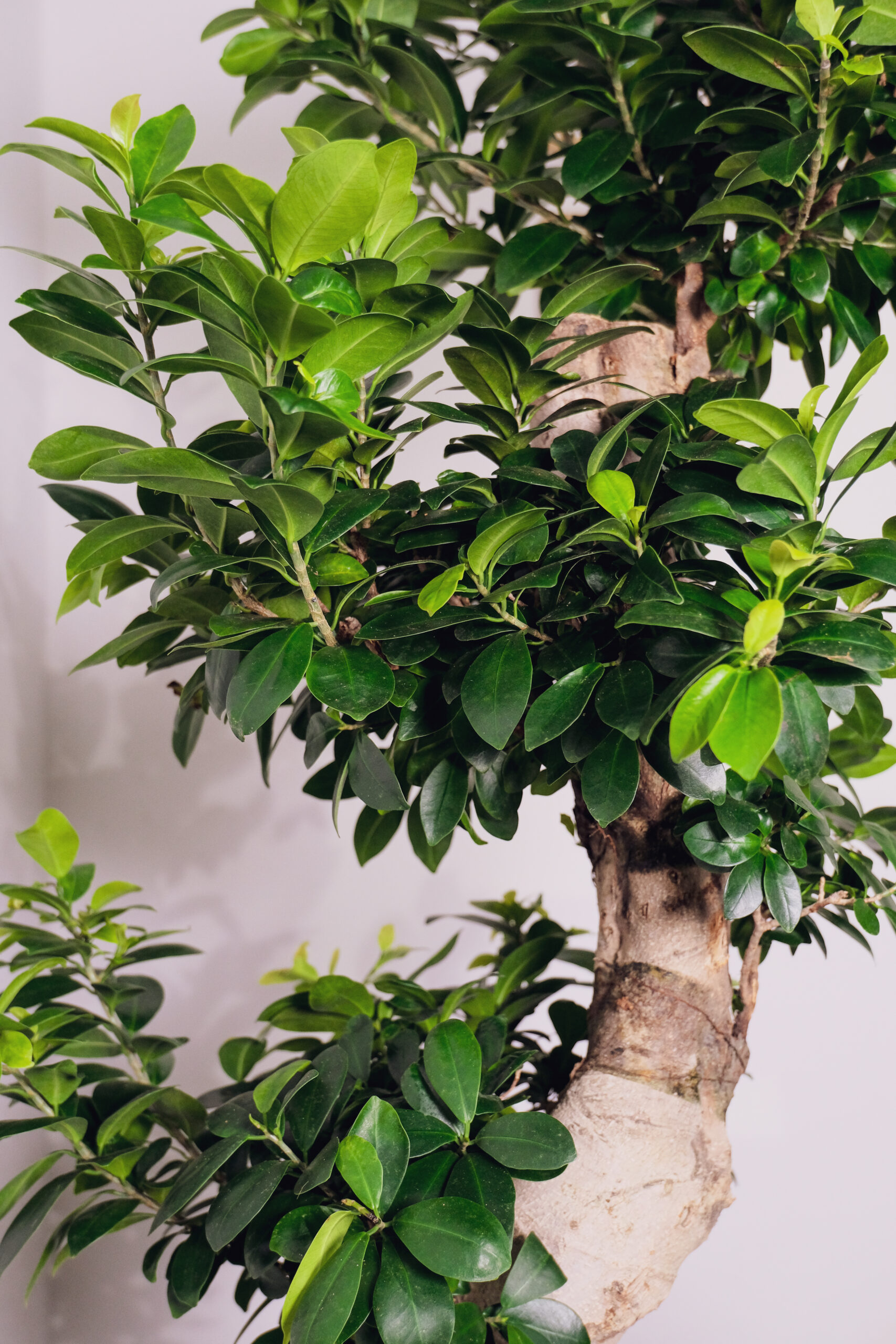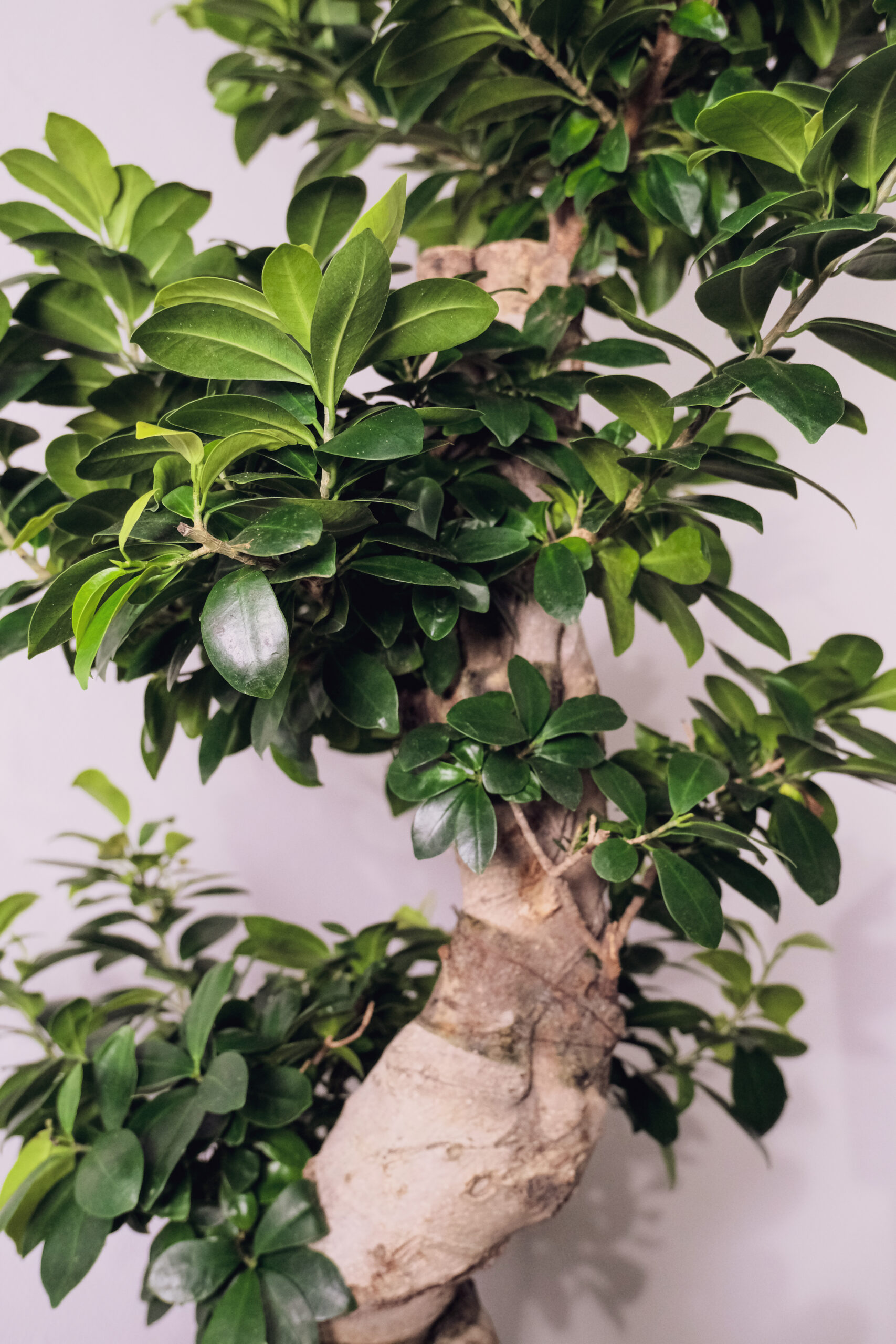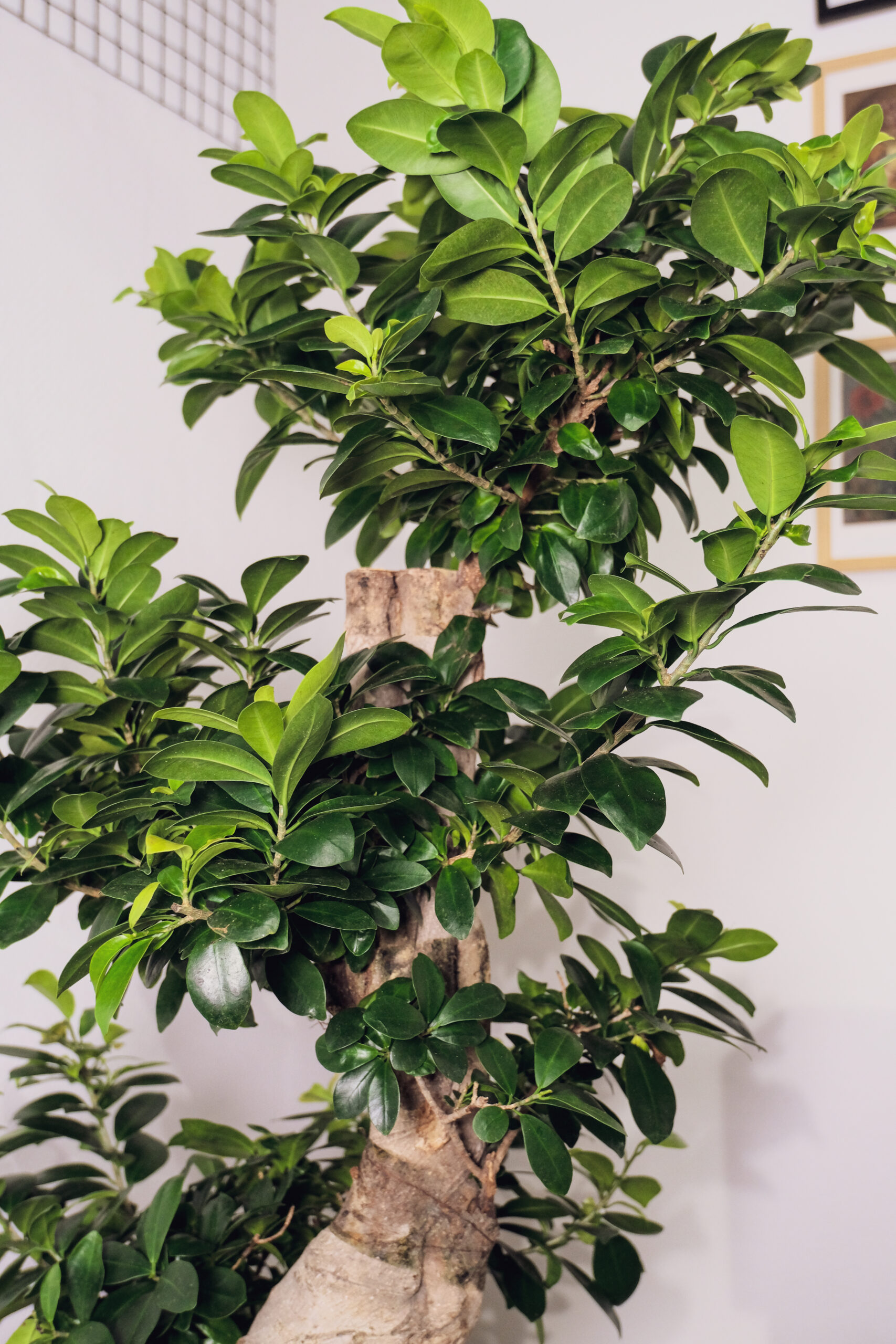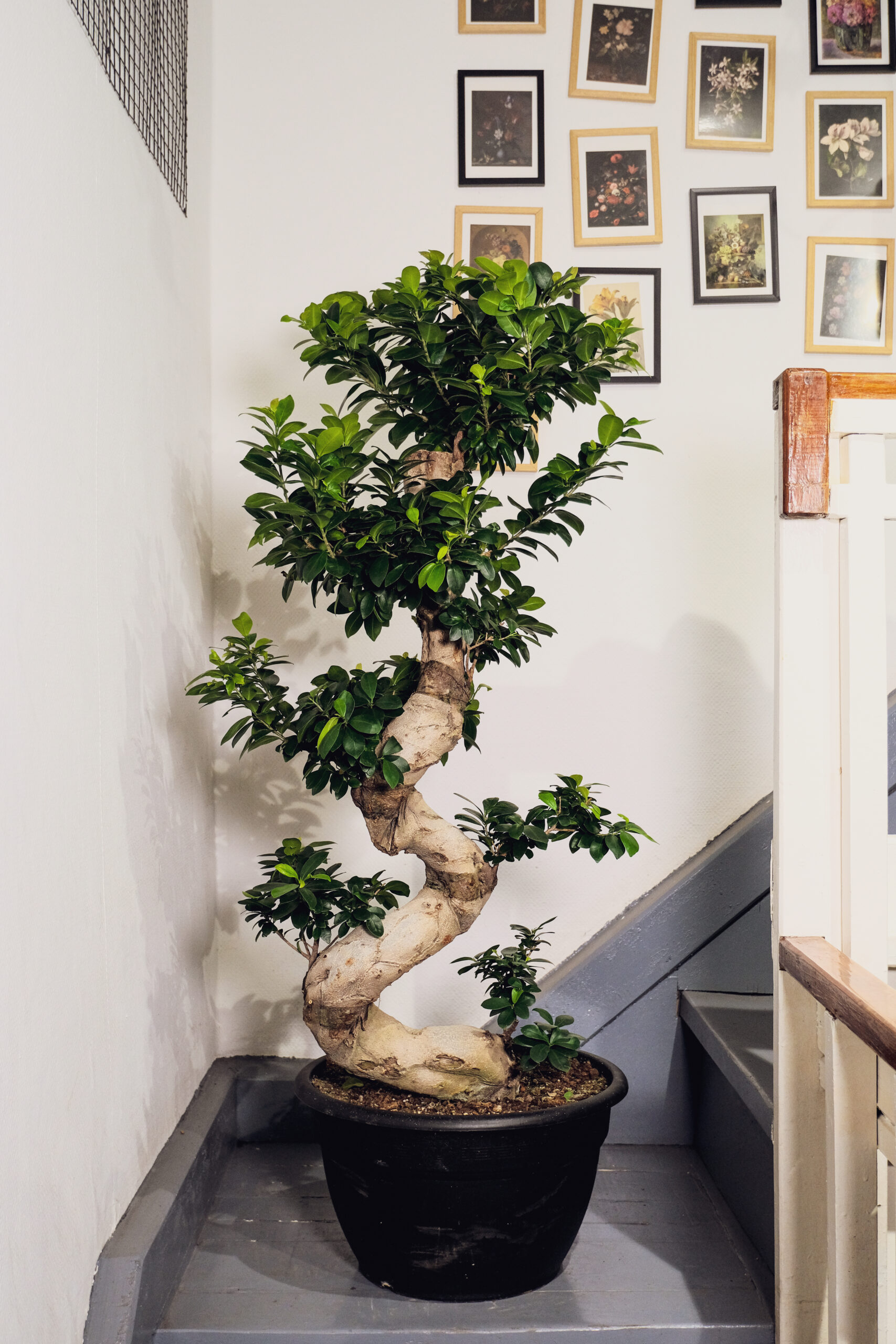
Bonsai Ficus Ginseng
from 2.500 MDL
Bonsai trees are a fascinating art form that combines Asian aesthetics and feng shui in the homes of those who choose to care for them.
Translated, ‘bonsai’ means ‘planted in a bowl’. Bonsai is a true philosophy of life, a hobby that brings peace of mind and helps us to cope with everyday stress. Caring for a single tree in a pot is a kind of small-scale gardening.
Pruning is also important to keep bonsai trees small and in perfect shape. Maintenance pruning strengthens the bonsai and encourages new branch growth.
The plant comes in a basic nursery pot.
We are happy to suggest and help you choose a new and appropriate one.
Related products
The Schefflera plant, Schefflera Arboricola, native to South Asia and parts of Australia, is often called the umbrella plant, and for good reason. The five to seven leaflets that make up each long-stalked leaf resemble umbrellas.
The foliage will keep its healthy, glossy appearance if you spray it daily with water at room temperature. Being a medium light lover, placing it in strong direct sunlight will burn its leaves. It will also not do well in areas of extreme light deficiency and is best placed near a window – even a north-facing one. Yellowing and drooping leaves are probably a sign that the plant is overheating. Leave the soil to dry out longer between waterings. Brown, dry leaves – may be caused by underwatering.
To control the height of the plant and increase its bushy appearance, cut back any overhanging branches in spring. Don’t cut more than 30% of the plant as this can cause shock. It is considered poisonous to humans and pets. The sap in the leaves can cause mild skin irritation.
The plant comes in a basic nursery pot.
We are happy to suggest and help you choose a new and appropriate one.
We have to admit it: bushy or prickly, with round or lobed leaves, succulents are incredibly popular. In some homes, you can find impressive collections or creative arrangements. The range of colours and textures is a feast for the eyes.
Succulents are a real blessing when we travel a lot, are too busy or simply forget to water them. This is very important! The leaves, stems and roots of succulents are thick and fleshy, which allows them to store water and withstand harsher conditions with such stoicism. In short, loyal plants!
In warm weather, water more generously if you notice that the soil in the pot has dried out. In late autumn or winter, water less frequently, once a month. Overwatering and waterlogged soil are the most common causes of loss.
Fun fact: the only continent without native succulents is Antarctica.
The plant comes in a basic nursery pot.
We are happy to suggest and help you choose a new and appropriate one.
The plant comes in a basic nursery pot.
We are happy to suggest and help you choose a new and appropriate one. s
Meet the Giant Peace Lily, the larger sibling of the standard variety—a rare statement plant that’s unbelievably low-maintenance. Known formally as Spathiphyllum ‘Sensation’, it boasts oversized, emerald leaves that will give an instant lush feeling to any room in your house. Not to mention its elegant pure white, calla lily-shaped flowers. These plants can grow impressively large, making them a standout addition to any space.
This plant is super chill when it comes to light. It will tolerate down to low light levels but prefers medium light. Direct sunlight is best avoided so you don’t risk burning those leaves. It prefers a temperature range of about 18 to 30 degrees but can tolerate cooler in winter if the rest of its conditions are all good. They enjoy higher humidity but it’s not a must. If you live in a drier area, you might like to add a pebble tray underneath, regularly mist those giant leaves, or get a humidifier.
The plant comes in a basic nursery pot.
We are happy to suggest and help you choose a new and appropriate one.
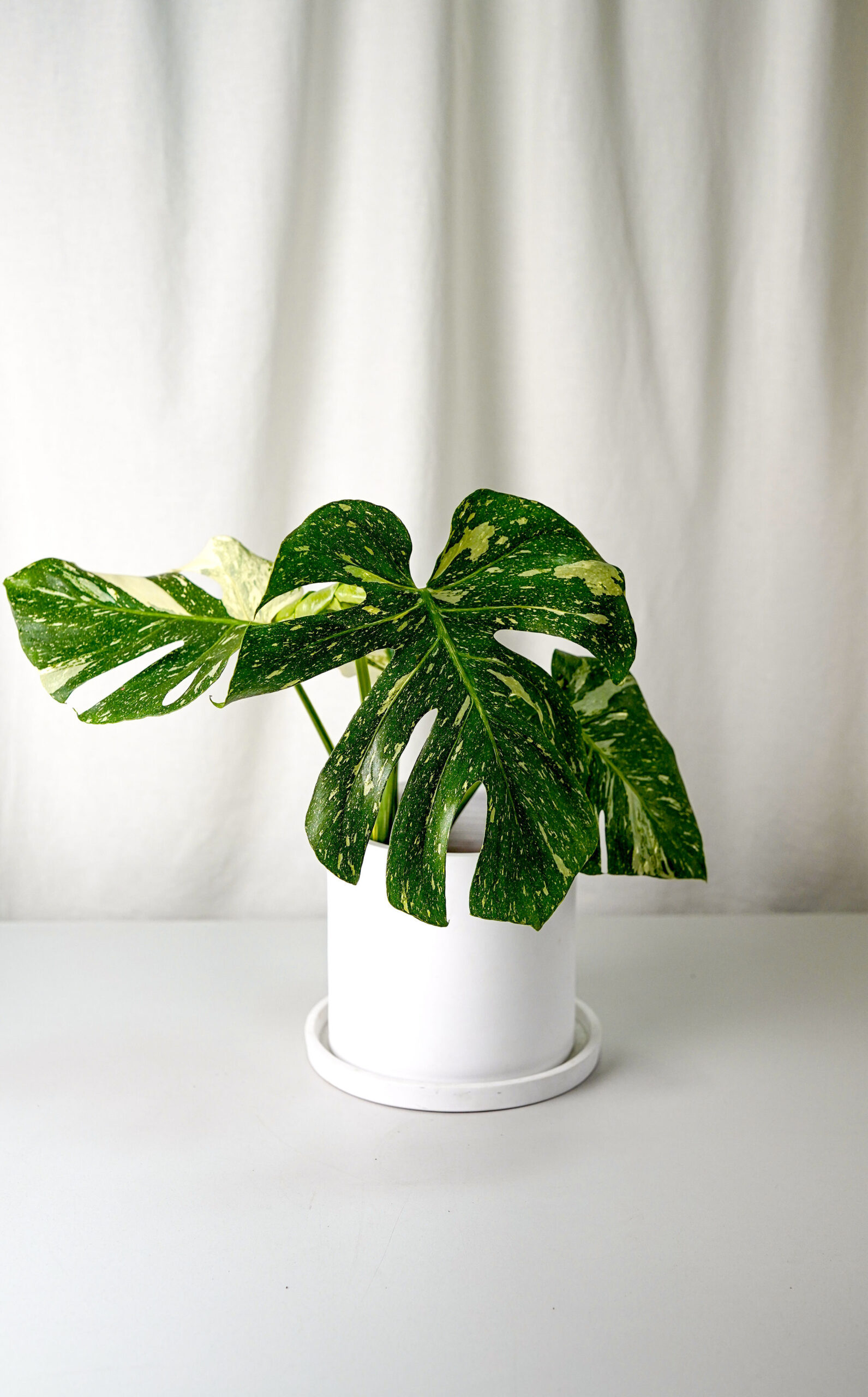
The Monstera Thai Constellation is like a sky full of stars: large, variegated leaves that make you feel as if nature picked up a brush and had a moment of “cosmic inspiration.” Easy to care for, it only requires indirect light and a corner of your living room or bedroom to showcase its tropical splendor. Discover how to nurture this celestial plant in our Plant Library.
The plant comes in a basic nursery pot.
We are happy to suggest and help you choose a new and appropriate one.
Calathea is a plant that presents you with many challenges if you want to keep it radiant. That look of tropical beauty that you fall in love with when you see it takes a lot of care to maintain.
It is a perennial plant that lives in the forests of Bolivia, and its tropical nature suggests that it likes the soil to be moist and never completely dry. Calathea requires high humidity and constant soil moisture. In other words, give it jungle-like conditions and you’ll both be happy.
If you look at the plant and it seems changed, it’s probably not just your imagination. Its leaves are very lively and move throughout the day. Calathea is guaranteed to add a dramatic touch to your plant collection, as it is in high demand.
The plant is offered in simple factory pots.
We recommend and with a great pleasure will help you to choose a new and suitable one.
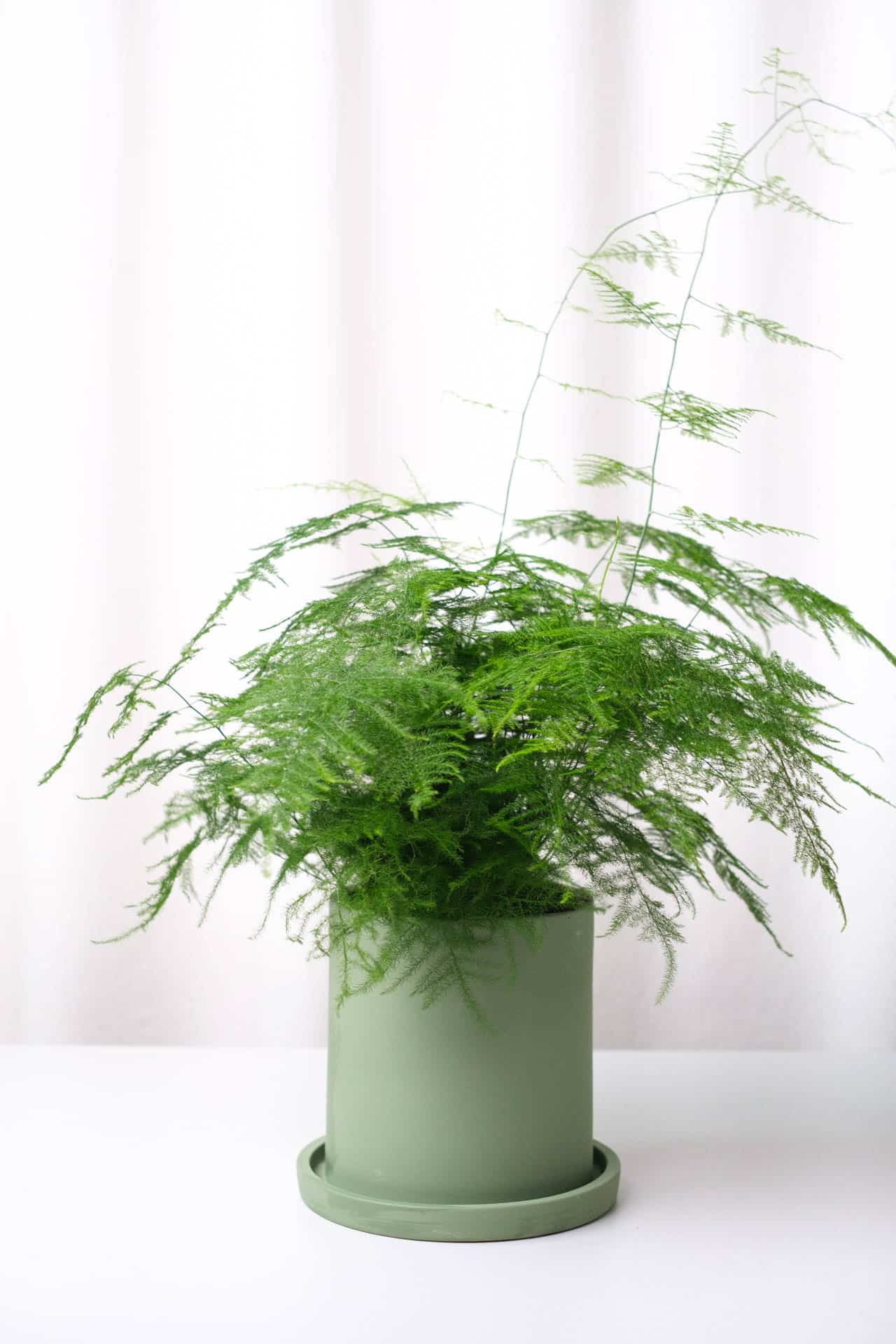
Asparagus plumosa or asparagus fern is neither fern nor asparagus, although it looks similar and is closely related to the common edible garden asparagus. Its presence in the house brings a “forest” vibe and it really likes hanging in baskets on the terrace or balcony during the summer.
Indoors, the key to a robust asparagus fern is to keep the plant well-watered, bushy and dense so that the lace-like foliage forms an attractive mound.
The plant comes in a basic nursery pot.
We are happy to suggest and help you choose a new and appropriate one.
The plant comes in a basic nursery pot.
We are happy to suggest and help you choose a new and appropriate one.
Over the past few years, the Ficus Lyrata has been creating waves of admiration around the world. Thanks to its numerous appearances in popular design magazines, blogs and social media, it has been catapulted to superstar status in the plant world.
Any plant is a positive addition to your living or working space, but some plants have a much richer visual impact. Take Ficus Lyrata, for example. This plant is almost a work of art in itself. You can’t miss its violin-shaped leaves, crisscrossed with distinct, pale veins that add texture. The best part is that as the leaves grow larger, they become even more impressive.
Don’t worry if it loses a leaf or two after delivery – it needs time to adapt to its new home. It’s perfectly normal. It may also shed a few leaves in winter, and while it is small, the Ficus can live temporarily on shelves. Once it has grown, it will be placed on the floor because of its larger size.
The plant comes in a basic nursery pot.
We are happy to suggest and help you choose a new and appropriate one.
English ivy (Hedera helix variegata) is one of the most common ivy species and the most widely grown. It is very easy to grow, both in pots and as an ornamental outdoor plant. You’ve probably noticed it on the outside of buildings and houses that look like entrances to a secret botanical world.
Potted ivy requires much less water. Before watering, check the consistency of the substrate, which should be loose but dry on the surface. Be careful not to overwater. For optimal lighting, position the plant near a window to ensure it receives abundant light without direct exposure. Poor lighting can reduce the number of leaves and cause them to discolour.
Indoors, it can be placed on a shelf or taller plant stand to allow it to create that eye-catching cascade of creamy white variegated green leaves. It tends to grow vigorously, providing quick results for those who want to transform their room or garden in a short space of time.
The plant comes in a basic nursery pot.
We are happy to suggest and help you choose a new and appropriate one.
A terrarium with sand and succulents is like a slice of desert captured under glass—minimalist yet full of life. It’s the kind of décor that brings a touch of nature right onto your living room or office shelf, without demanding much attention. Succulent plants are like seasoned travellers—they can survive weeks without water and won’t be a bother. The perfect gift for someone who wants a bit of nature without the fuss! Discover their preferred conditions in the Plant Library.