Phoenix Canariensis
550 MDL
350 MDL
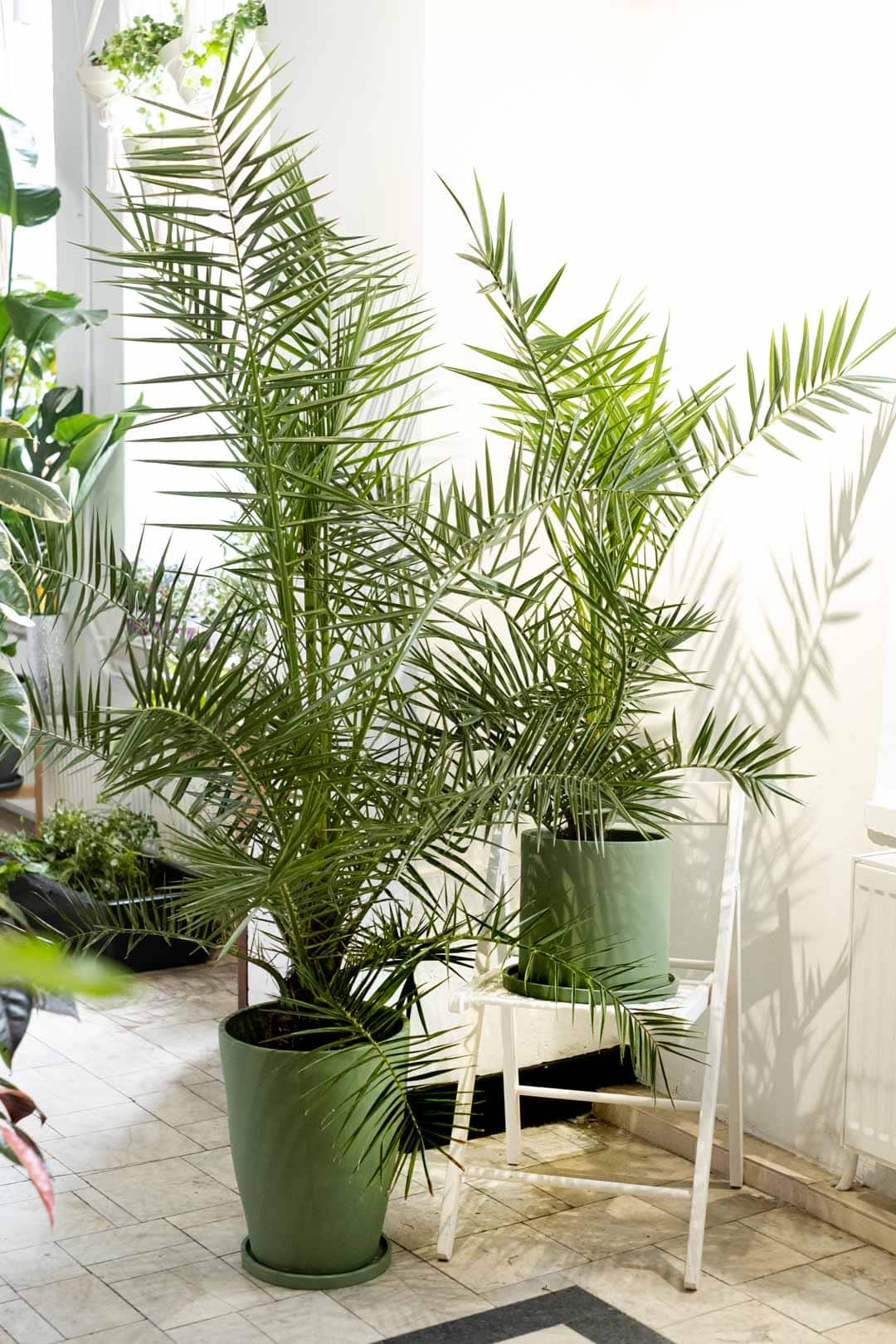
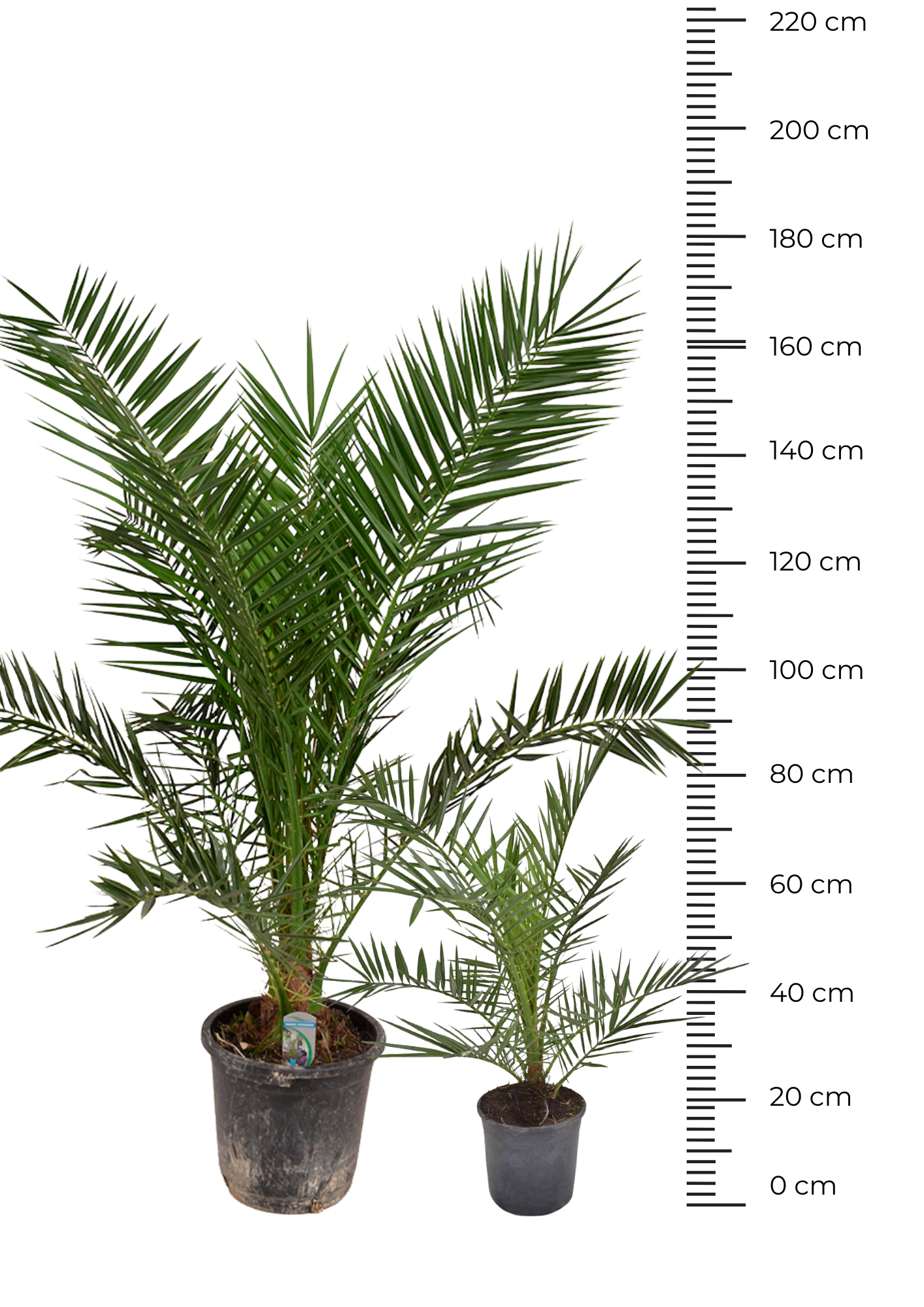
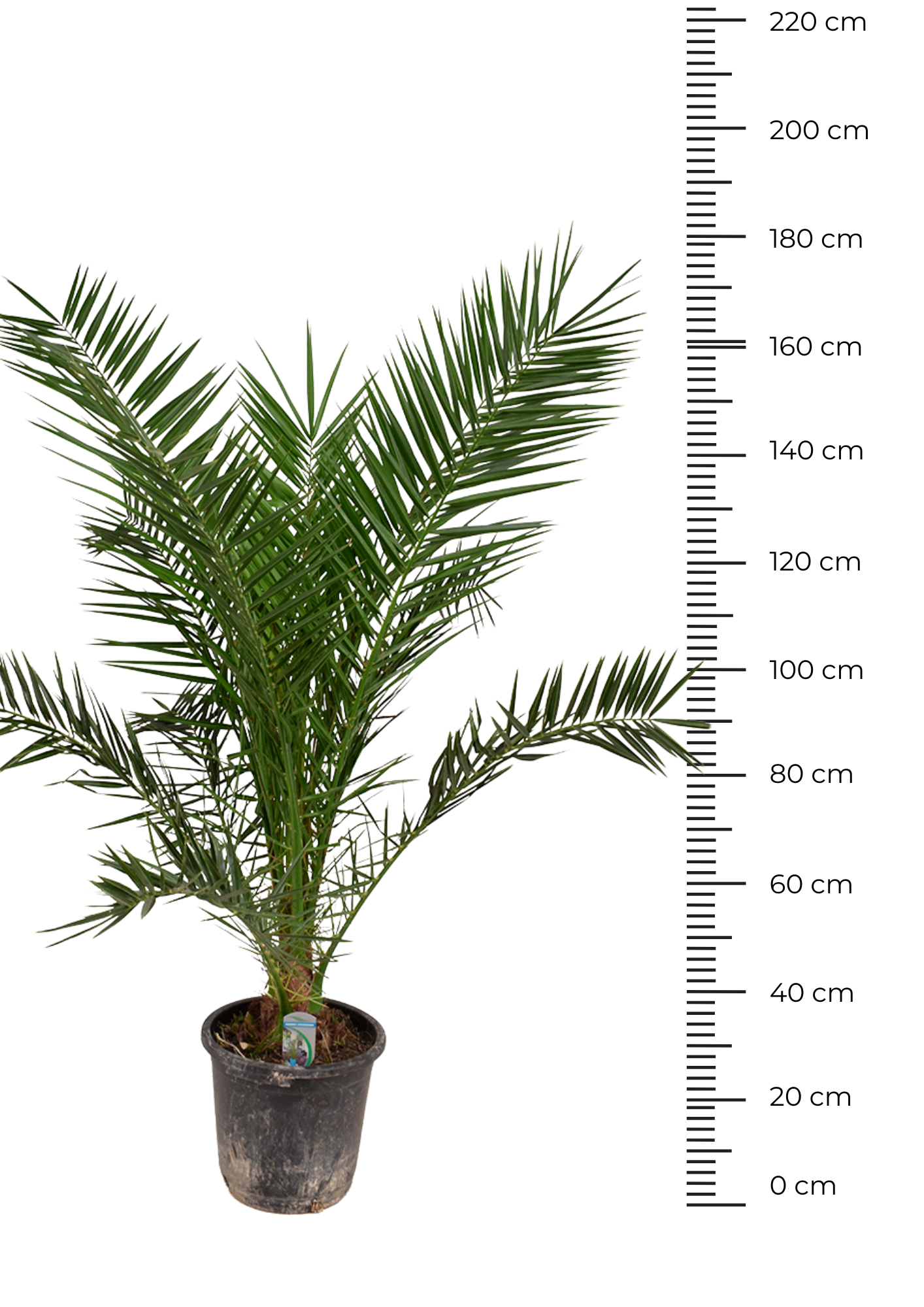
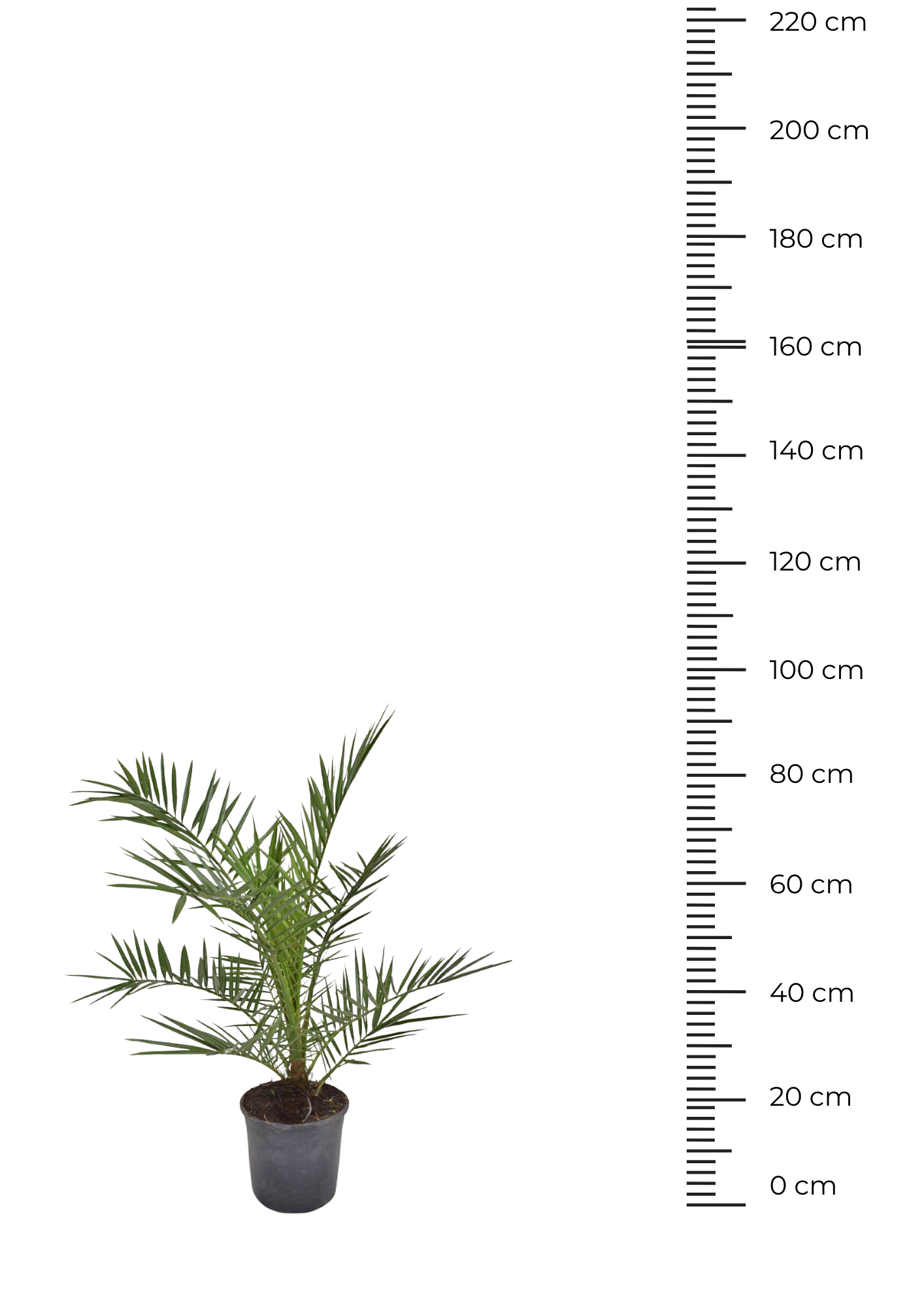
The Phoenix Canariensis, commonly known as the Canary Island Date Palm, is a majestic and versatile palm tree that brings a touch of the tropics to any landscape. Native to the Canary Islands, this stately palm is renowned for its robust trunk, crowned with a dense canopy of feathery, arching fronds.
Beyond its visual beauty, the Phoenix Canariensis is valued for its resilience and adaptability. It thrives in full sun and well-drained soil and is relatively drought-tolerant once established. This palm is also capable of withstanding mild frost, making it suitable for a variety of climates. This palm tree is a real joy to grow and easy to care for if good drainage and enough light can be provided and they have enough space within a room.
The plant comes in a basic nursery pot.
We are happy to suggest and help you choose a new and appropriate one.
Related products
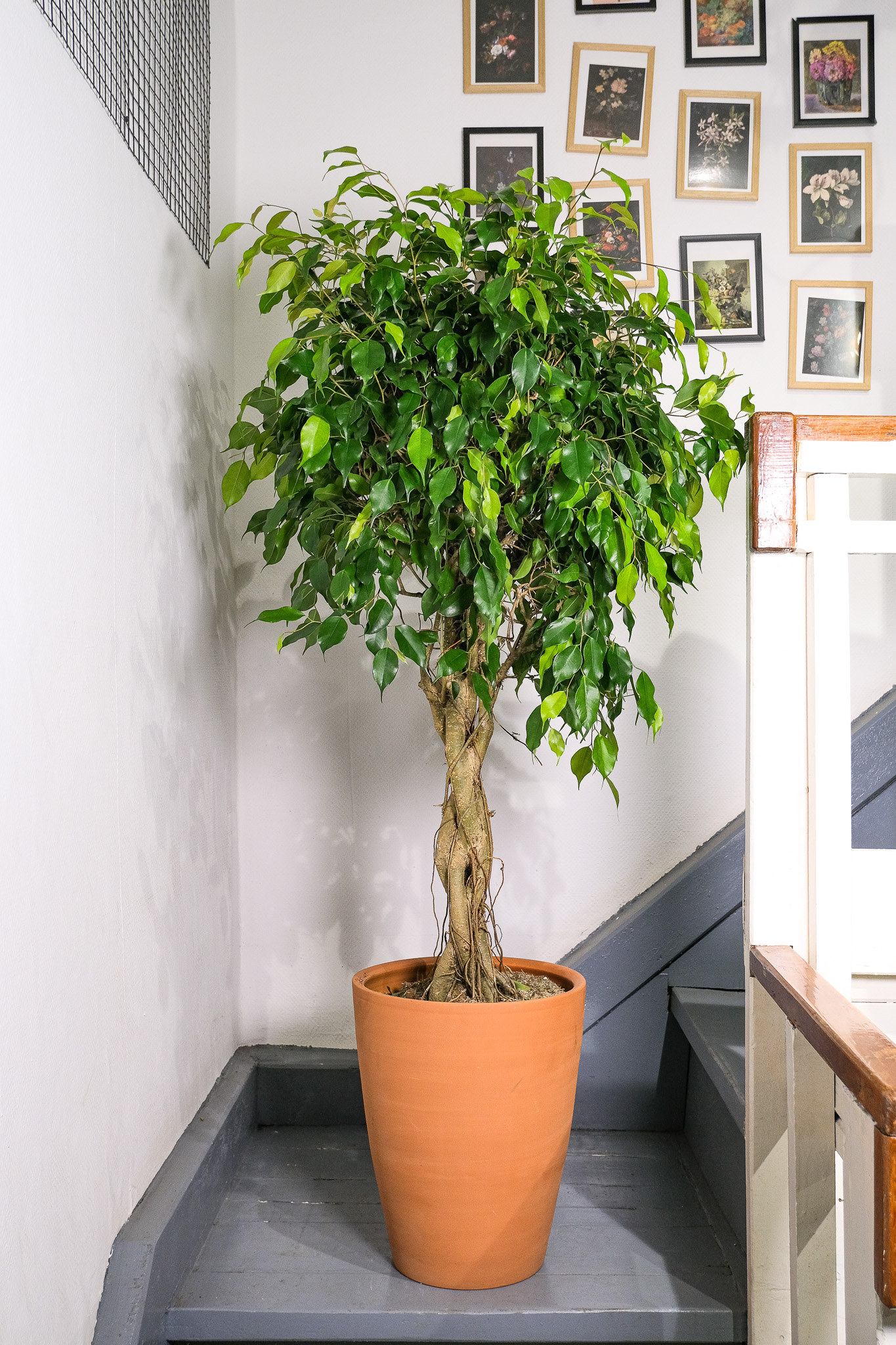
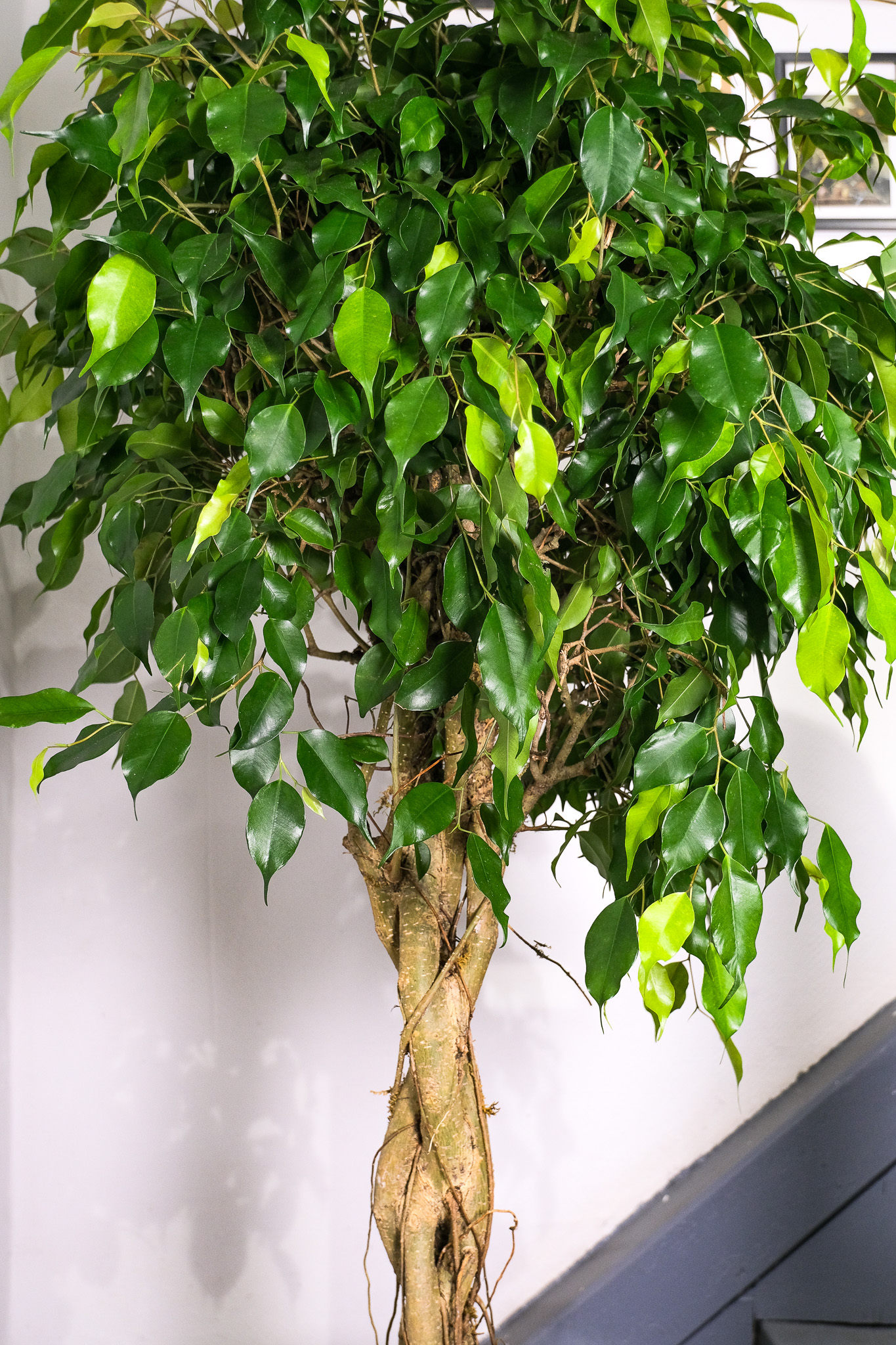
Ficus Be Exotica Twisted looks as if it’s just completed a perfect Pilates session. With its artistically twisted trunk and mirror-like green leaves, it effortlessly transforms your home into a tropical scene. It needs light and a bit of water, but you can rely on it to remain elegantly calm, like a true yogi. Visit the Plant Library for care tips.
The plant comes in a basic nursery pot.
We are happy to suggest and help you choose a new and appropriate one.
We have to admit it: bushy or prickly, with round or lobed leaves, succulents are incredibly popular. In some homes, you can find impressive collections or creative arrangements. The range of colours and textures is a feast for the eyes.
Succulents are a real blessing when we travel a lot, are too busy or simply forget to water them. This is very important! The leaves, stems and roots of succulents are thick and fleshy, which allows them to store water and withstand harsher conditions with such stoicism. In short, loyal plants!
In warm weather, water more generously if you notice that the soil in the pot has dried out. In late autumn or winter, water less frequently, once a month. Overwatering and waterlogged soil are the most common causes of loss.
Fun fact: the only continent without native succulents is Antarctica.
The plant comes in a basic nursery pot.
We are happy to suggest and help you choose a new and appropriate one.
The plant comes in a basic nursery pot.
We are happy to suggest and help you choose a new and appropriate one.
The plant comes in a basic nursery pot.
We are happy to suggest and help you choose a new and appropriate one.
A terrarium with sand and succulents is like a slice of desert captured under glass—minimalist yet full of life. It’s the kind of décor that brings a touch of nature right onto your living room or office shelf, without demanding much attention. Succulent plants are like seasoned travellers—they can survive weeks without water and won’t be a bother. The perfect gift for someone who wants a bit of nature without the fuss! Discover their preferred conditions in the Plant Library.
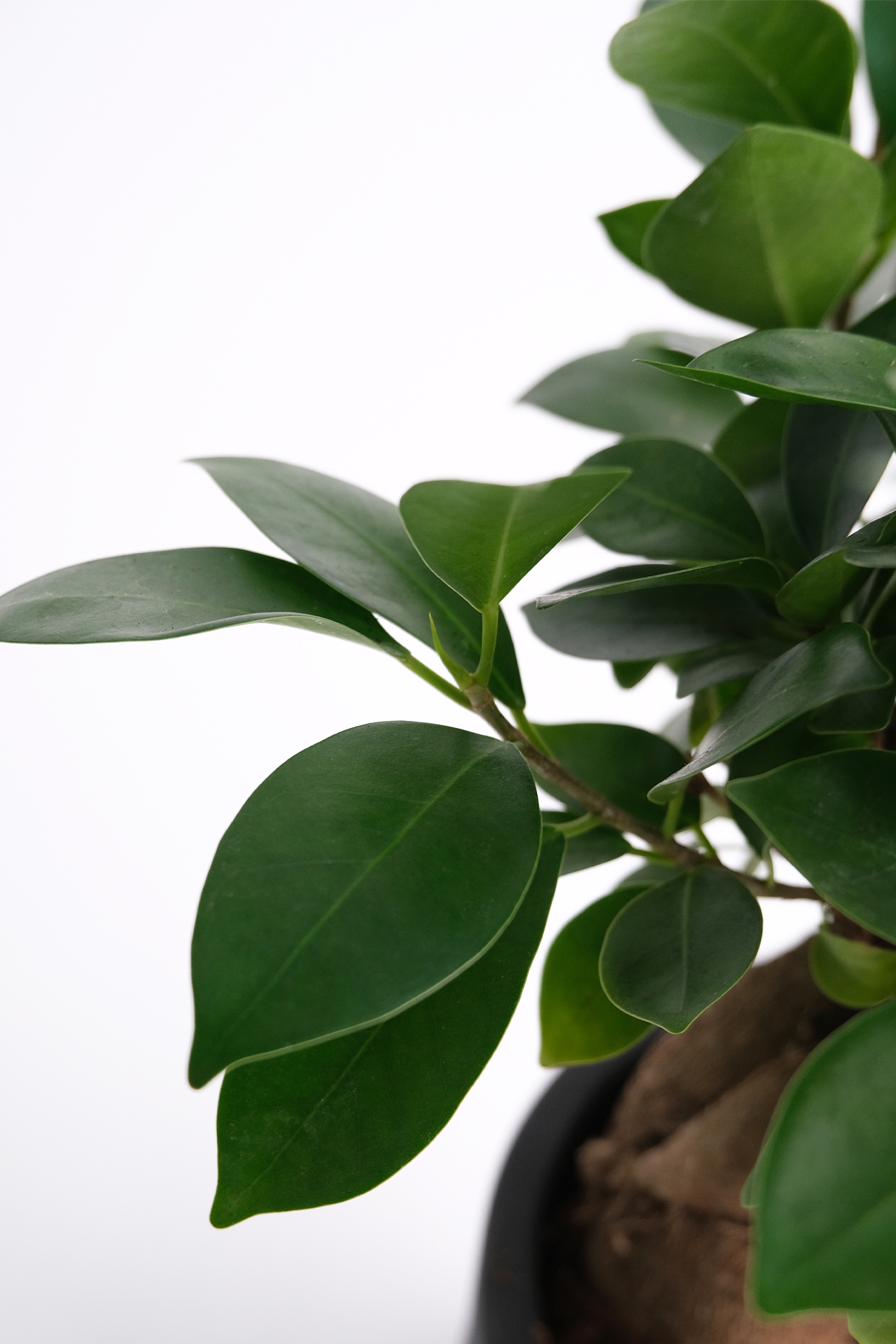
If you are looking for an entry into the ancient Japanese art of Bonsai, a great place to start is with a Ginseng Ficus. Native to Southeast Asia, it is prized for its whimsically-shaped trunk. The aerial roots of this interesting houseplant grow above the ground. The leaves are dark green, and oval shaped and grow densely, making it perfect for pruning.
To care for this guardian of balance, give it indirect light, moderate watering and regular airing to maintain its health and vitality. Your Ficus Ginseng bonsai can grow anywhere between 16-40 inches indoors and is a very forgiving houseplant, making it perfect for beginner bonsai enthusiasts.
The plant comes in a basic nursery pot.
We are happy to suggest and help you choose a new and appropriate one.
relitzia Reginae, often called the Bird of Paradise, thrives in the wilds of South Africa and truly lives up to its majestic name. Position it in your living room or hallway, and you’ll instantly infuse your space with a touch of the jungle, harmoniously blending with urban elegance. Pollinated by birds, it features robust stems strong enough to support the weight of several birds at once. Discover its preferred conditions in the Plant Library.
Only the mature plant is in flower at the moment.
The plant comes in a basic nursery pot.
We are happy to suggest and help you choose a new and appropriate one.
The Schefflera plant, Schefflera Arboricola, native to South Asia and parts of Australia, is often called the umbrella plant, and for good reason. The five to seven leaflets that make up each long-stalked leaf resemble umbrellas.
The foliage will keep its healthy, glossy appearance if you spray it daily with water at room temperature. Being a medium light lover, placing it in strong direct sunlight will burn its leaves. It will also not do well in areas of extreme light deficiency and is best placed near a window – even a north-facing one. Yellowing and drooping leaves are probably a sign that the plant is overheating. Leave the soil to dry out longer between waterings. Brown, dry leaves – may be caused by underwatering.
To control the height of the plant and increase its bushy appearance, cut back any overhanging branches in spring. Don’t cut more than 30% of the plant as this can cause shock. It is considered poisonous to humans and pets. The sap in the leaves can cause mild skin irritation.
The plant comes in a basic nursery pot.
We are happy to suggest and help you choose a new and appropriate one.
The plant comes in a basic nursery pot.
We are happy to suggest and help you choose a new and appropriate one.
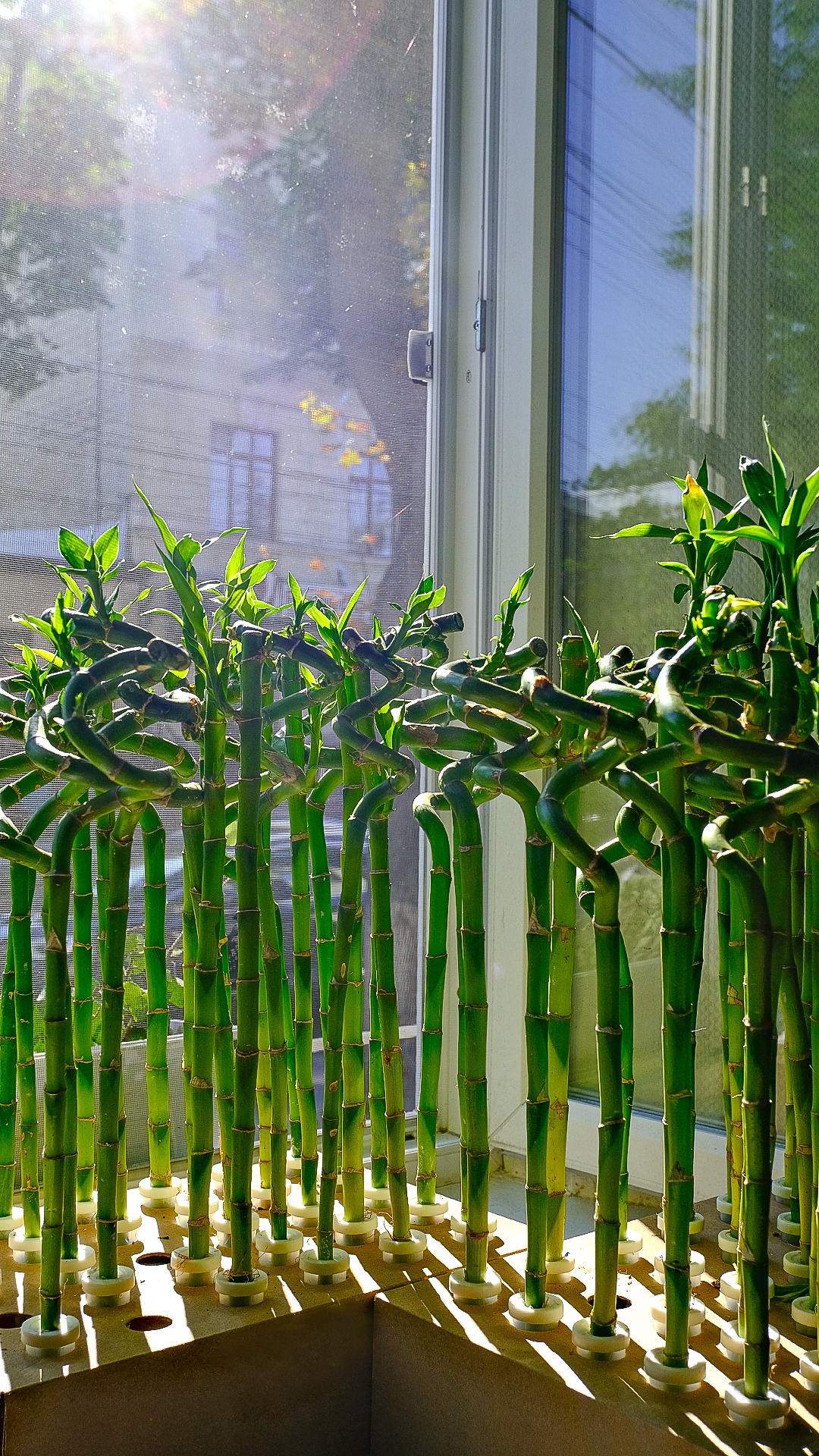
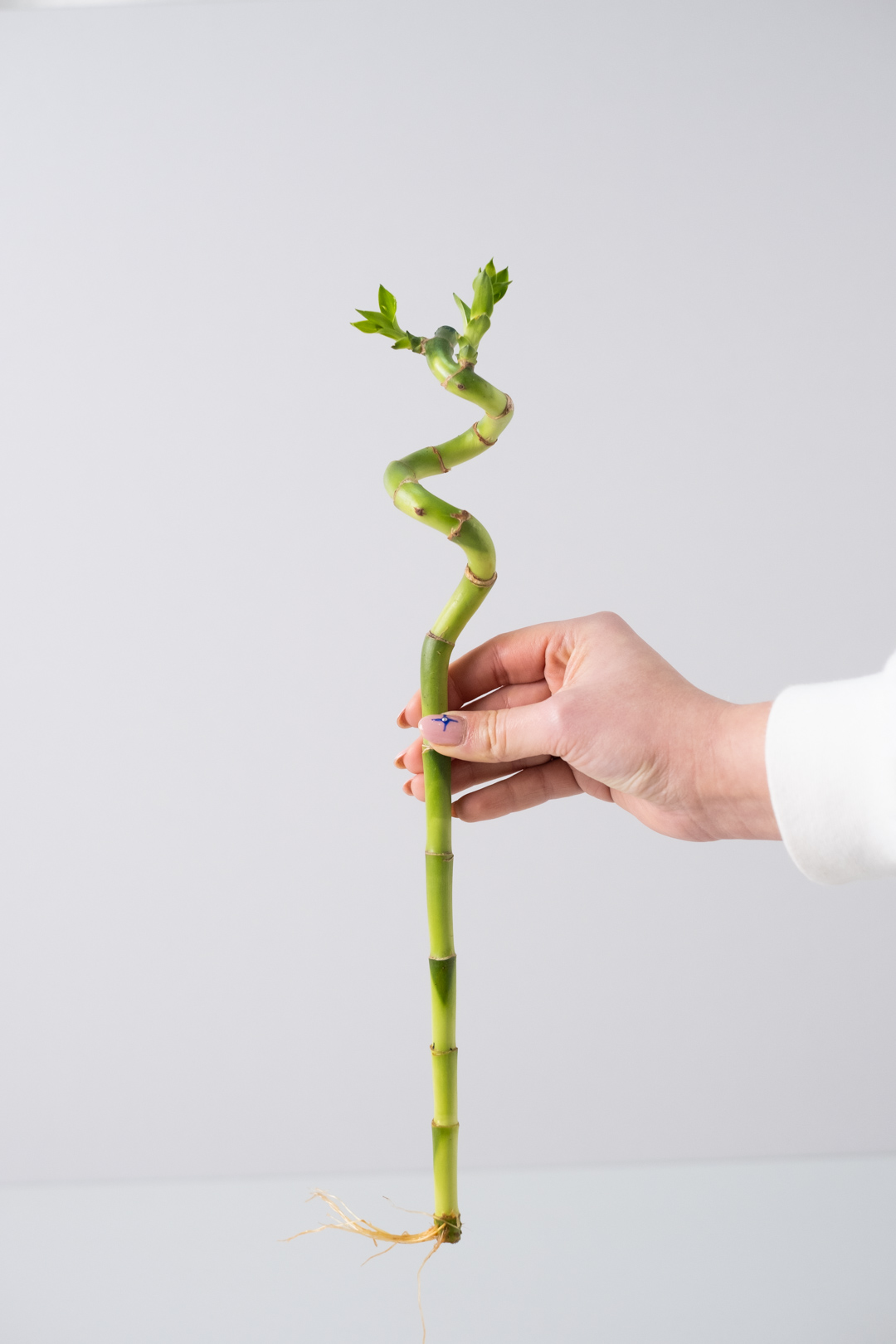
Plants often reflect the ambience of their native habitats. For a touch of Zen and Feng Shui, choose Lucky Bamboo, a plant believed to bring good fortune.
Lucky Bamboo thrives in a water-filled container, maintaining its decorative appeal over time. It’s low-maintenance: simply change the water regularly, place it in a bright spot, and there’s no need for fertilizer.
The plant does not require pots or soil. After purchase, remove the protective cover and place the plant in any container filled with water.
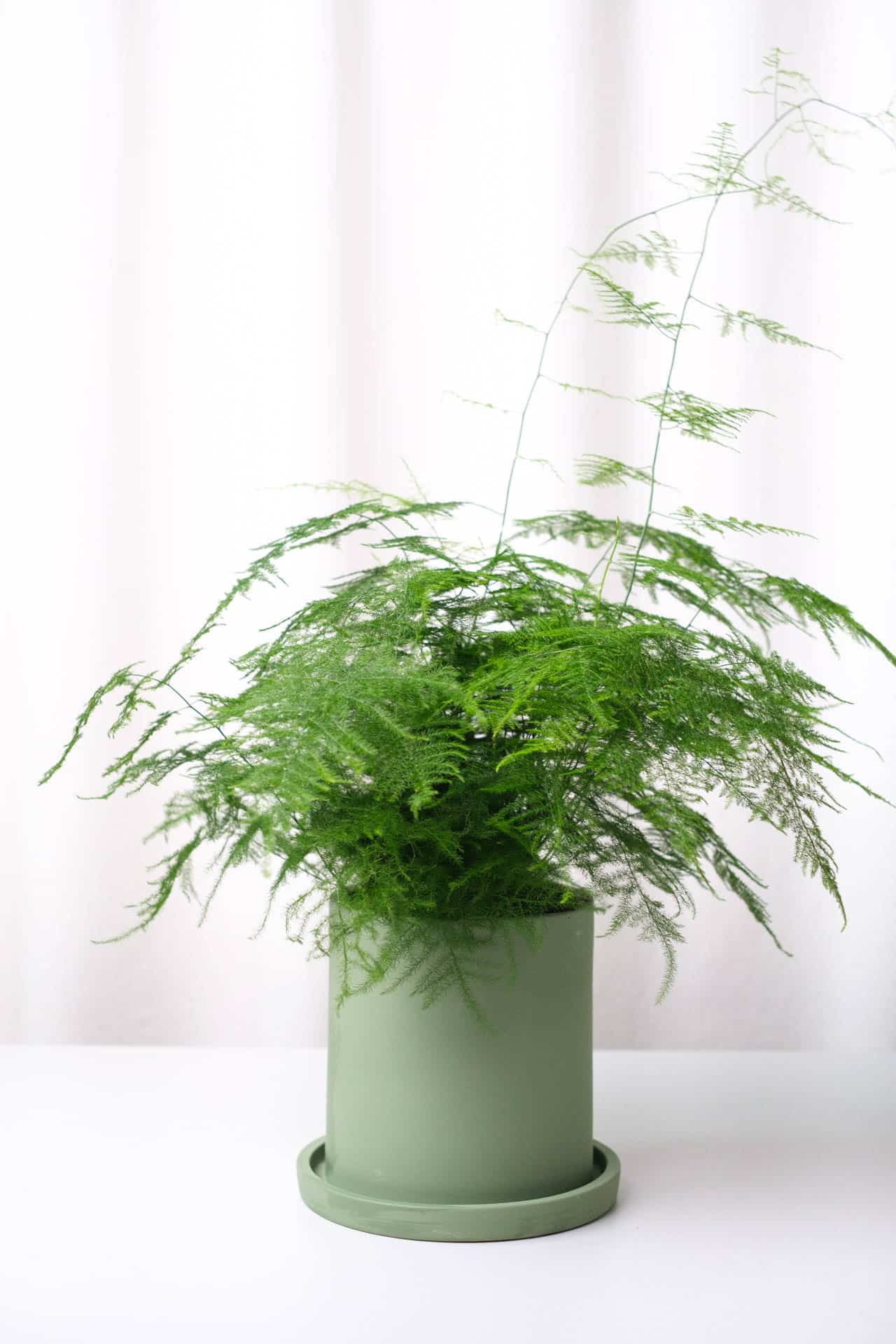
Asparagus plumosa or asparagus fern is neither fern nor asparagus, although it looks similar and is closely related to the common edible garden asparagus. Its presence in the house brings a “forest” vibe and it really likes hanging in baskets on the terrace or balcony during the summer.
Indoors, the key to a robust asparagus fern is to keep the plant well-watered, bushy and dense so that the lace-like foliage forms an attractive mound.
The plant comes in a basic nursery pot.
We are happy to suggest and help you choose a new and appropriate one.